Aeromóvil
A light, aerodynamic vehicle that moves on very little energy
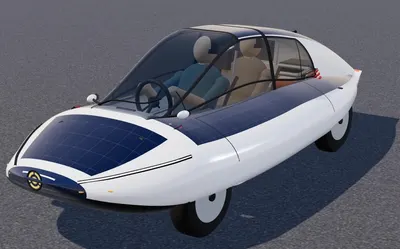
Light Humanity designs the Aeromóvil in 3D, a light electric vehicle with solar panels
In November 2026, Light Humanity published on humanity.wiki the 3D design of the Aeromóvil, a light electric vehicle in two versions: the Aeromóvil Gota, a pedal-assist velomobile for three people, and the Aeromóvil 1, a four-wheel two-seater with a solar roof. Anyone can explore them, suggest improvements and download the plans without registering.
- What it is: a light, aerodynamic vehicle the lab is designing in 3D in two versions: the pedal-assist Aeromóvil Gota and the four-wheel electric Aeromóvil 1.
- The reference point: a Dutch electric velomobile that Eugenio García-Calderón reviews on video, strengths and weaknesses included.
- Where to see it: at humanity.wiki/aeromovil, where you can rotate the model, change its dimensions and download plans and CAD files.
- How to take part: anyone can suggest improvements without an account, which go on the task list, and save their own design of the Aeromóvil.
- Result: two parametric designs, not yet validated, with DXF plans, STEP and STL models and a data sheet for each of the 19 components of the Aeromóvil 1.
- What it would cost: the parts for an Aeromóvil 1 prototype come to just over €30,000 before VAT, according to the 3D model's estimate.
- What comes next: validating the aerodynamics by simulation and building a first rolling chassis for the Aeromóvil Gota, under an eight-stage plan of about 40 weeks through to type approval.

The origin: what a Dutch electric velomobile lacks
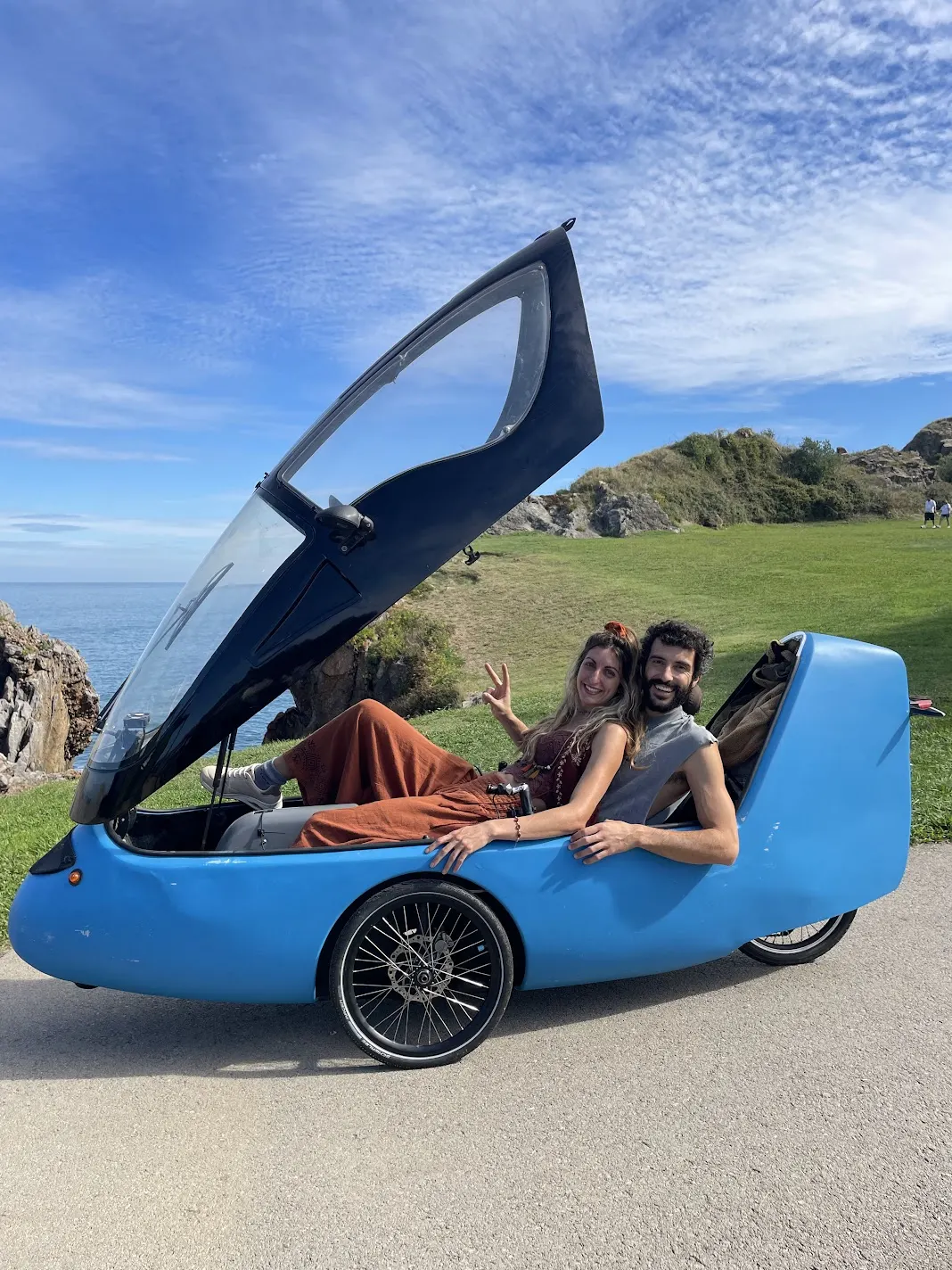
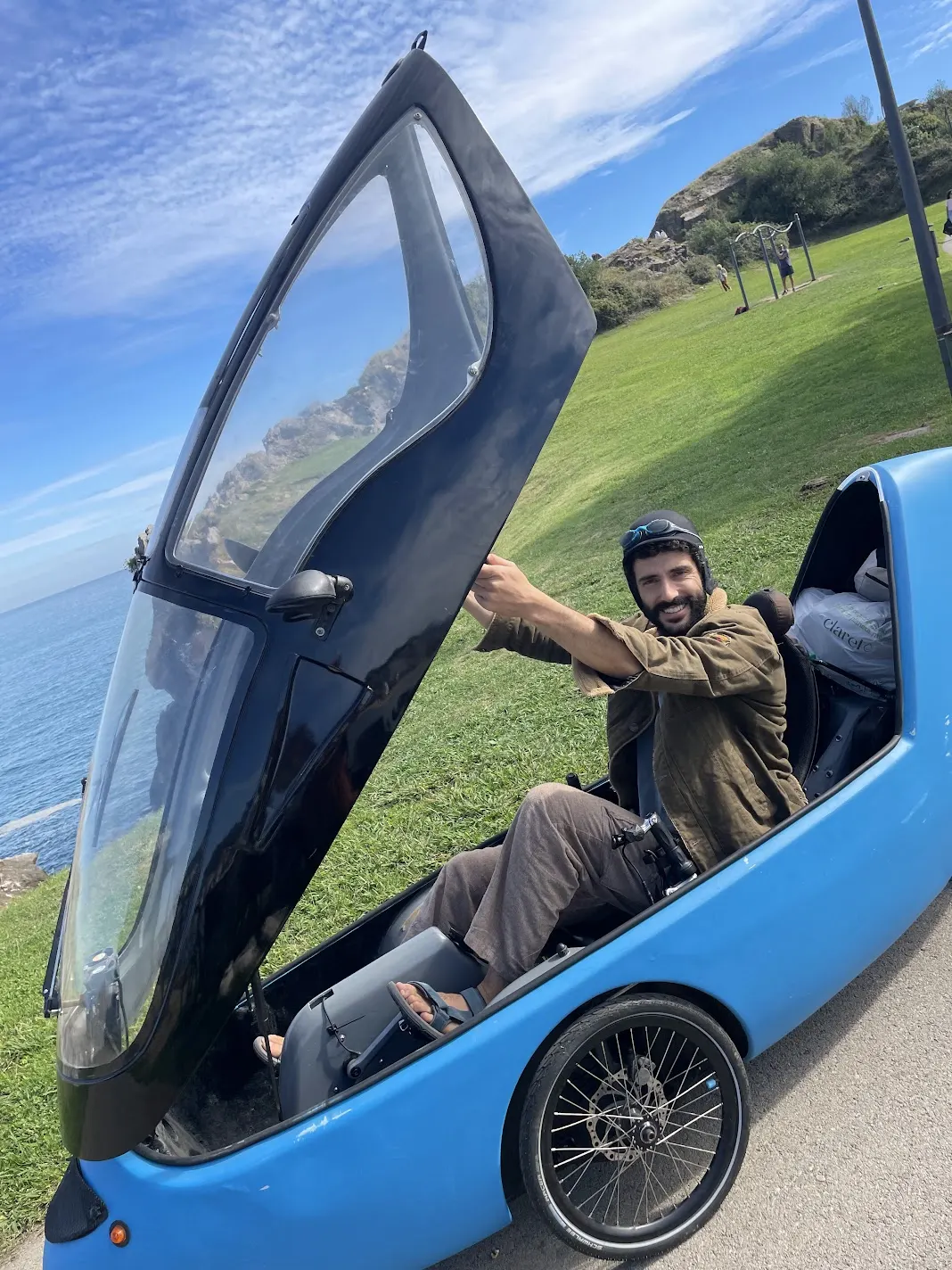
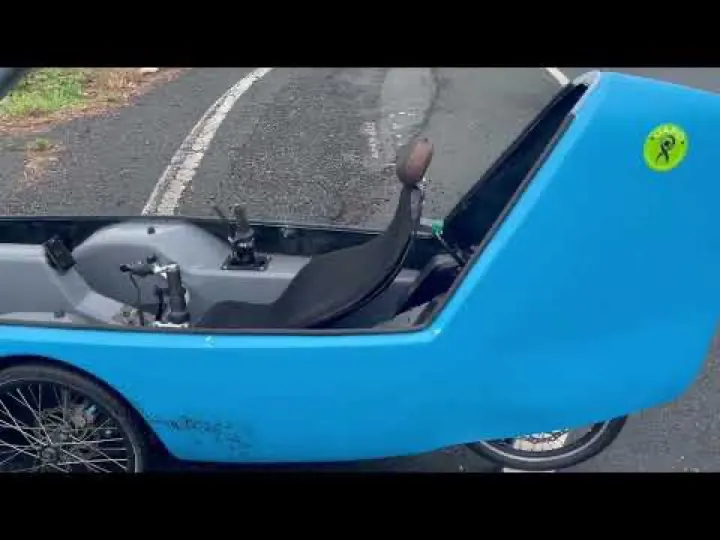
In October 2026, Eugenio García-Calderón Huerta, founder of Light Humanity, posted on YouTube a video just over two minutes long about an electric velomobile that, he says, was built in the Netherlands 18 years ago. The project dated back to 2024, when it was called “Velocycle Manufacturing in Spain”.
- What it has: batteries and a motor in the rear wheel, as he describes it.
- The good points, as he tells it: it gives complete protection from bad weather and is more aerodynamic than a bicycle.
- What falls short, as he explains: it has only three wheels and is somewhat unstable in corners, and its electric assistance is not enough to climb hills comfortably.
- At the controls: instead of handlebars it is steered with two levers, which, he explains, give little sense of control.
Learning from other velomobiles: from the VeloTilt to the AeroRider and the Quatrevelo
The Velotilt subpage gathers the team's references, including an inspiration board of velomobiles, and the 3D model compares the design with other velomobiles.
- VeloTilt: built in Enkhuizen (Netherlands); the man behind it, Wim Schermer, left the project in 2019 and offered his master mould free of charge to private individuals.
- AeroRider: a Dutch single-seat, three-wheeled velomobile with electric assistance (New Atlas).
- Quatrevelo: a four-wheeled carbon velomobile from Velomobiel.nl.
- From photos: the 3D tool creates an approximate model of any velomobile from a side-on photo and its dimensions.
Two 3D designs: the pedal-powered Aeromóvil Gota and the electric Aeromóvil 1
The parametric 3D model, published on humanity.wiki in November 2026, comprises two vehicles. They are designs, not prototypes: they change almost daily and have yet to be validated.
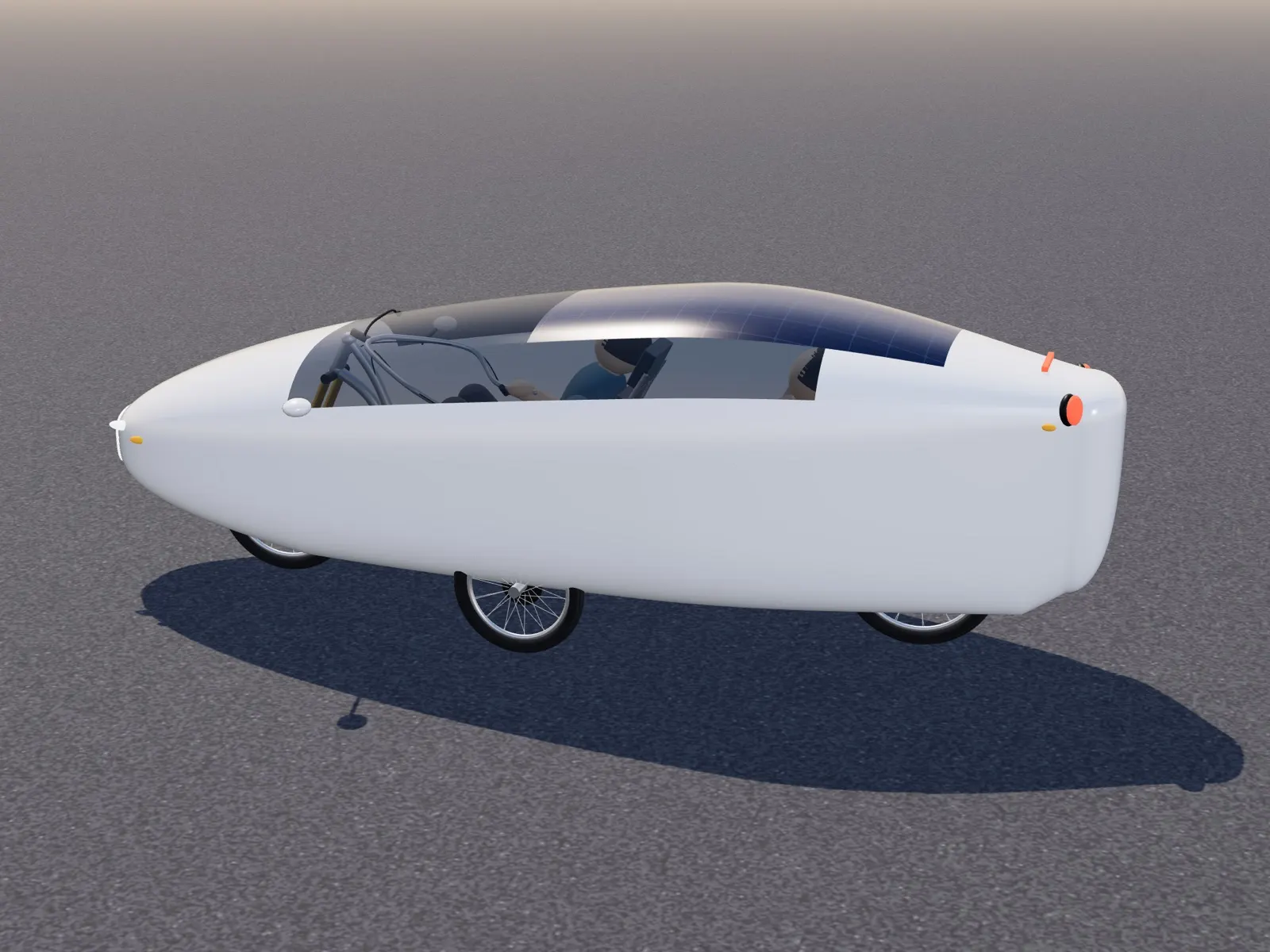
Aeromóvil Gota: a chainless velomobile for three people
- Seats: three, in tandem: the rider in front and two passengers behind.
- Shape: a drop-shaped fairing of about 4 metres and four wheels in a diamond layout: one in front, one behind and two at the sides that would lean into corners.
- Chainless: the pedals would drive a generator powering a 250 W hub motor.
- Solar roof: the roof and rear deck would be solar panels rather than glass, so the interior does not heat up.
Aeromóvil 1: an electric two-seater in the shape of the SZEmission
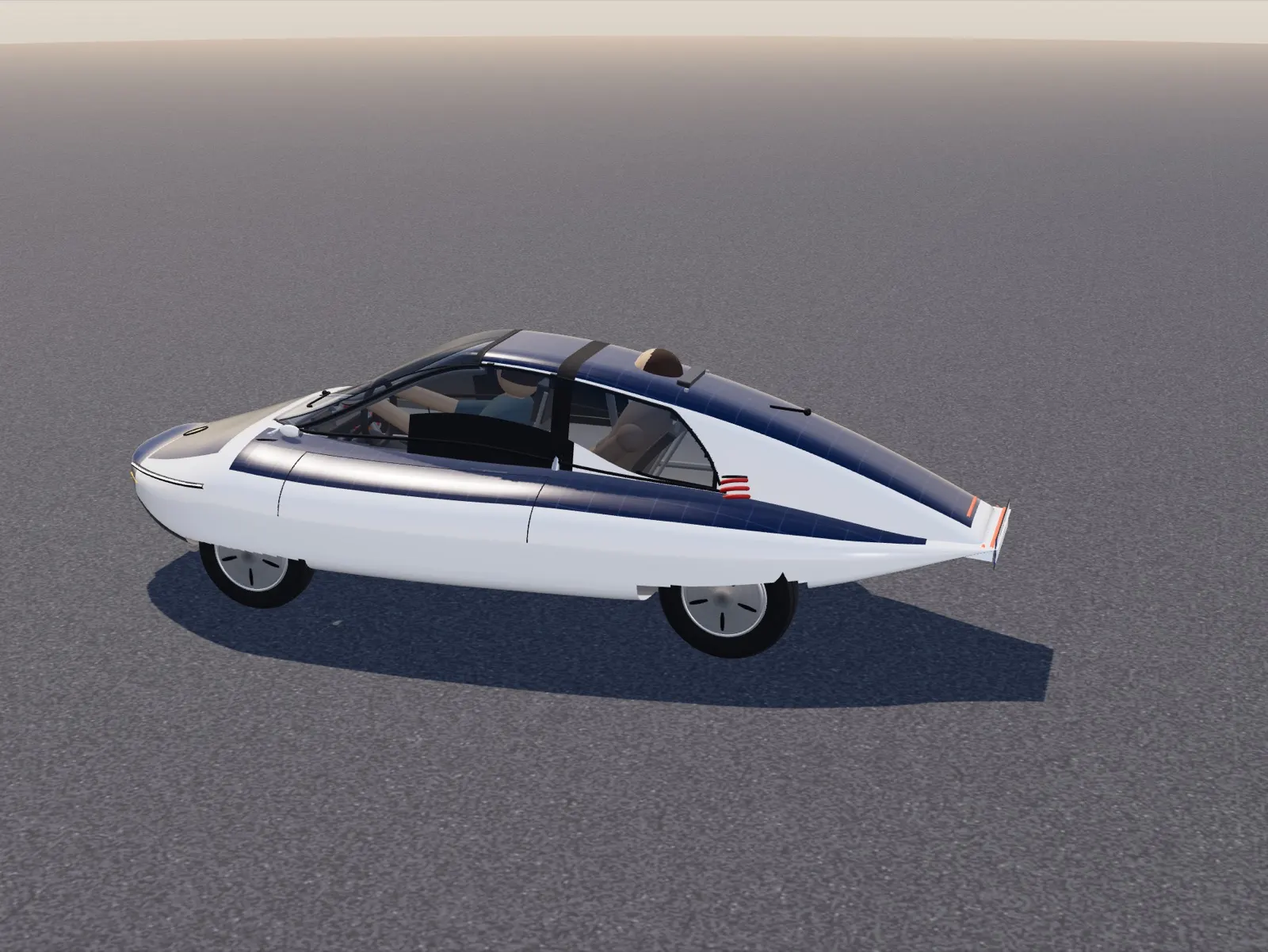
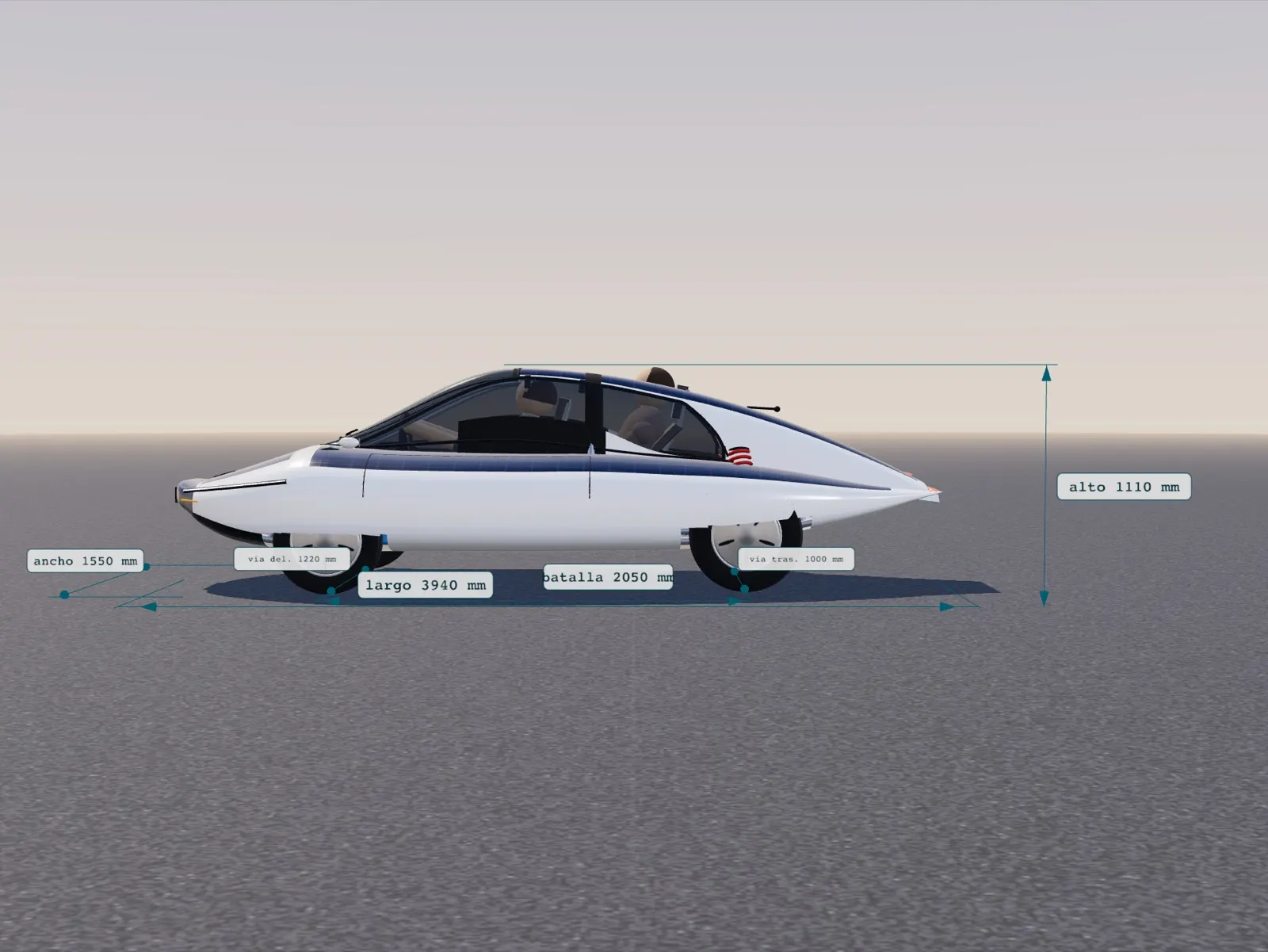
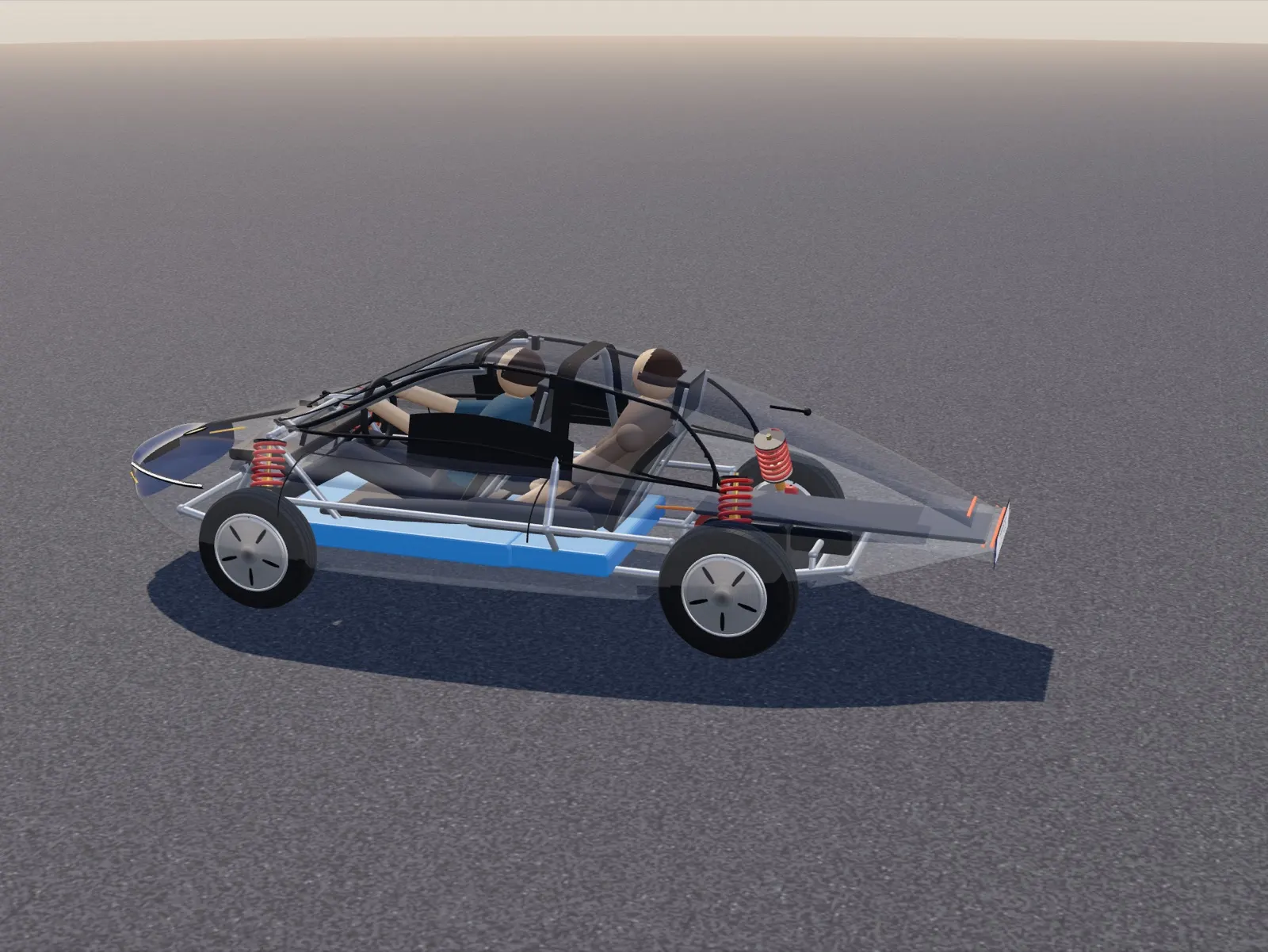
- Format: electric, with four wheels and two seats in tandem, no pedals; this is the one the 3D model opens by default.
- Shape: that of the SZEmission enlarged by 30%, the 95-kilo, Cd 0.1365 efficiency car with which the SZEnergy team from Széchenyi István University (Győr, Hungary) competes in the Shell Eco-marathon.
- Reference parts: from the Renault Twizy, the size of the wheels, brakes and suspension; from the Aptera, a solar car whose project the lab has invested in through Ultra-Efficient Solar Vehicle, the solar roof that runs down to the tail.
- Motor and battery: a 15 kW motor (32 kW peak), a 27 kWh battery and gull-wing doors.
The Aeromóvil 1 would use about 4.3 kWh per 100 km, according to its 3D model
As of 7 November 2026, with the default measurements, the 3D model estimates the following for the Aeromóvil 1:
- Consumption: about 4.3 kWh per 100 km at 100 km/h.
- Range: about 580 km at that speed, with the 24.8 kWh of usable capacity in its 27 kWh battery.
- Weight and speed: about 384 kilos; its target is to sustain 140 km/h.
- Sun: 3.1 m² of solar panels, rated at 651 W peak, would provide about 41 km a day with 4.5 peak sun hours.
The model itself carries a warning: its aerodynamic coefficient, a Cd of 0.15, must be validated by simulation before the mould is made.
19 components with data sheets: the parts for a prototype come to just over €30,000
Each part of the Aeromóvil 1 has a data sheet showing what it weighs, what it costs and who sells it.
- 19 components: from the motor, battery and panels to the brakes, chassis and seats.
- Alternatives: each data sheet suggests lighter or cheaper parts that do the same job, and weight and cost are recalculated when you choose them.
- Cost: with the standard components, just over €30,000 before VAT in parts (November 2026 estimate), at catalogue prices that need to be confirmed with a quote.
Velomobile plans and CAD files, ready to download
The model and plans for the Aeromóvil 1 can be downloaded from the 3D tool. The plans are generated from the design on screen: if a measurement changes, they change with it.
- STEP model: the layered STEP file of the published version opens in FreeCAD, Fusion 360, SolidWorks or Onshape; for other dimensions, it can be regenerated with a CadQuery script.
- STL files: layered meshes, or meshes of your own configuration, for 3D printing.
- Full-size DXF plans: the frames and profiles for the fairing mould and the chassis plan, which serves as a welding template.
These are design plans: before anything is built, the aerodynamics must be validated and the structure calculated, as the 3D tool's task list records.
Explore the Aeromóvil in 3D and download its plans
What comes next: 8 stages and about 40 weeks through to type approval
The development plan that accompanies the model is written for the Aeromóvil Gota and runs from idea to type approval. The first stage, the concept and CAD model, is under way.
- Validating the shape: an aerodynamic simulation to confirm a Cd close to 0.15.
- Building and testing: an aluminium rolling chassis, the tilting mechanism, the chainless drive, the mould and the fairing, and tests on a closed circuit.
- Type approval: deciding whether it should be classed as a pedal-assist bicycle or a light vehicle, and preparing the documentation.
- Budget: between €7,800 and €16,300, with in-house work and excluding labour; the goal is for the chassis, mechanism and fairing not to exceed €10,000.
Sustainable mobility at Light Humanity: bicycle, tricycles, boat and solar car
The Aeromóvil joins the lab's other sustainable mobility projects:
- Bicycle: the Solar Bicycle, on which Eugenio García-Calderón travelled 3,890 km around Spain in 2018, on Solar Pedalling.
- Delivery: the Solar Delivery Tricycles, electric tricycles charged with solar energy.
- Boat: the Electric Solar Boat, an electric vessel with solar panels for 20 passengers on the River Amazon.
- Solar car: Ultra-Efficient Solar Vehicle, the lab's investment in the Aptera project, an efficient solar car.
In the media
 VELOCIRAPTOR, the velomobile innovating in light, affordable mobility for humanity — YouTube · Eugenio García-Calderon · 07/10/2026