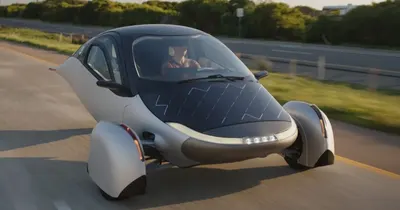
Aptera Aerodynamic Solar Car
The most efficient production vehicle in its class
Light Humanity invests in Aptera, the ultra-efficient three-wheeled solar car
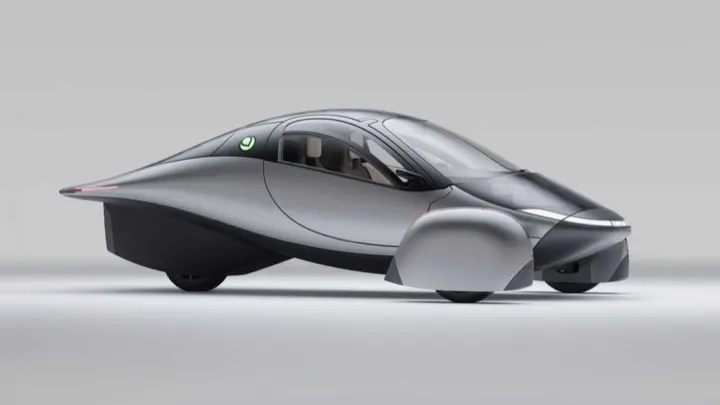
Light Humanity has invested in Aptera, the Carlsbad (California) company developing a two-seat, three-wheeled solar electric car. It is the Ultra-Efficient Solar Vehicle project of its Ecosocial Innovation Lab, under way since 2022: a car designed to use so little energy that, in a test in July 2026, a single day's sun gave it enough for about 68 km.
- What it is: Light Humanity's investment in Aptera, which is developing a three-wheeled, two-seat solar electric car.
- Why: the project falls under two of the lab's strategic goals, decarbonisation and efficiency.
- Where: Aptera has its headquarters and assembly line in Carlsbad, California (United States).
- Who: Aptera Motors, led by Chris Anthony and Steve Fambro, who founded it in 2006 and run it today. For the lab, Eugenio García-Calderón Huerta.
- Progress: it is already assembling validation vehicles, holds a certificate of conformity from the US EPA and has close to 50,000 reservations.
- What's next: to start assembling its first 40 production cars at the end of 2026 and deliver the first ones in early 2027, if it secures the funding.
- For the lab: the Aeromóvil, the lightweight vehicle designed by Light Humanity, borrows from the Aptera its solar roof that sweeps down to the tail.
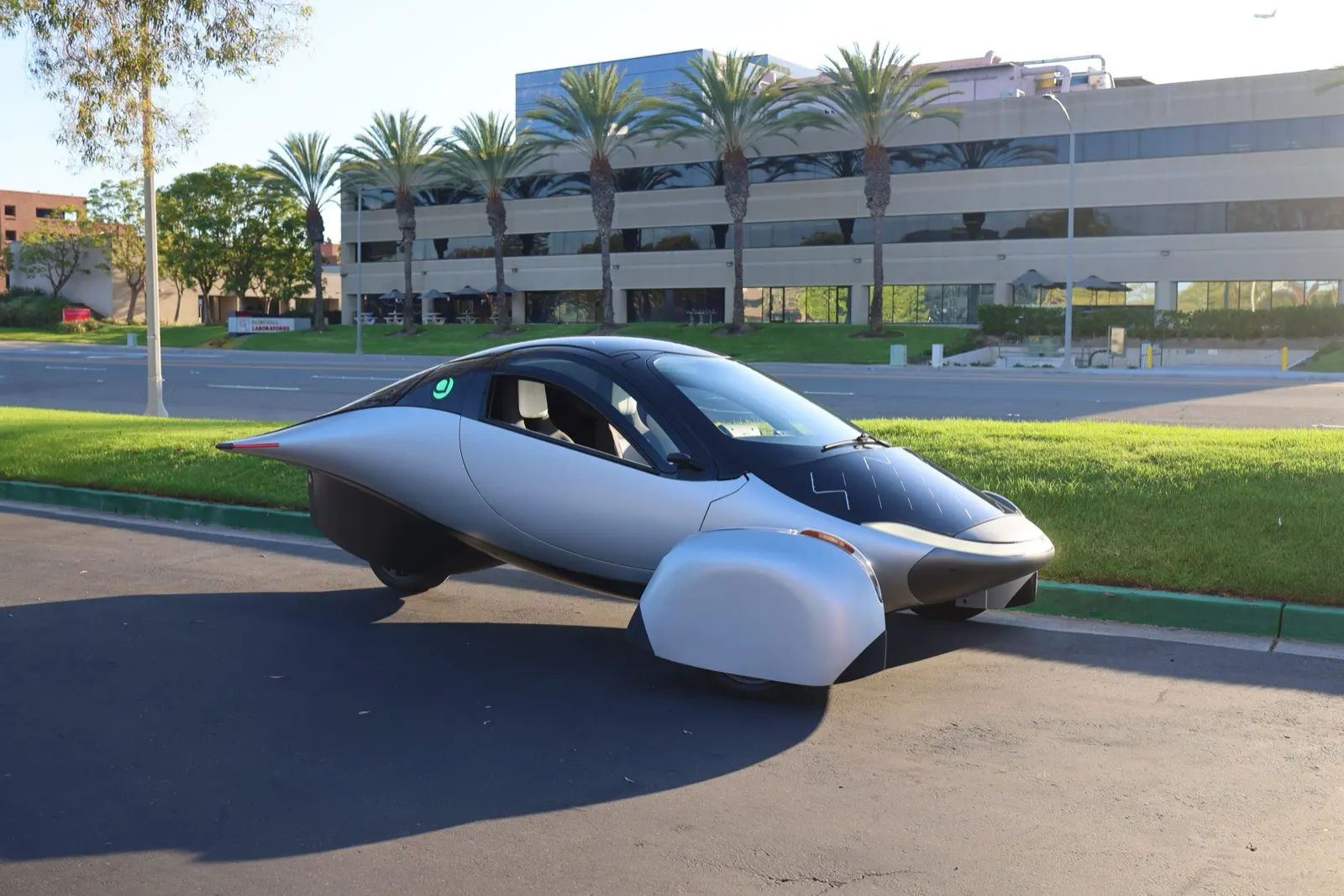
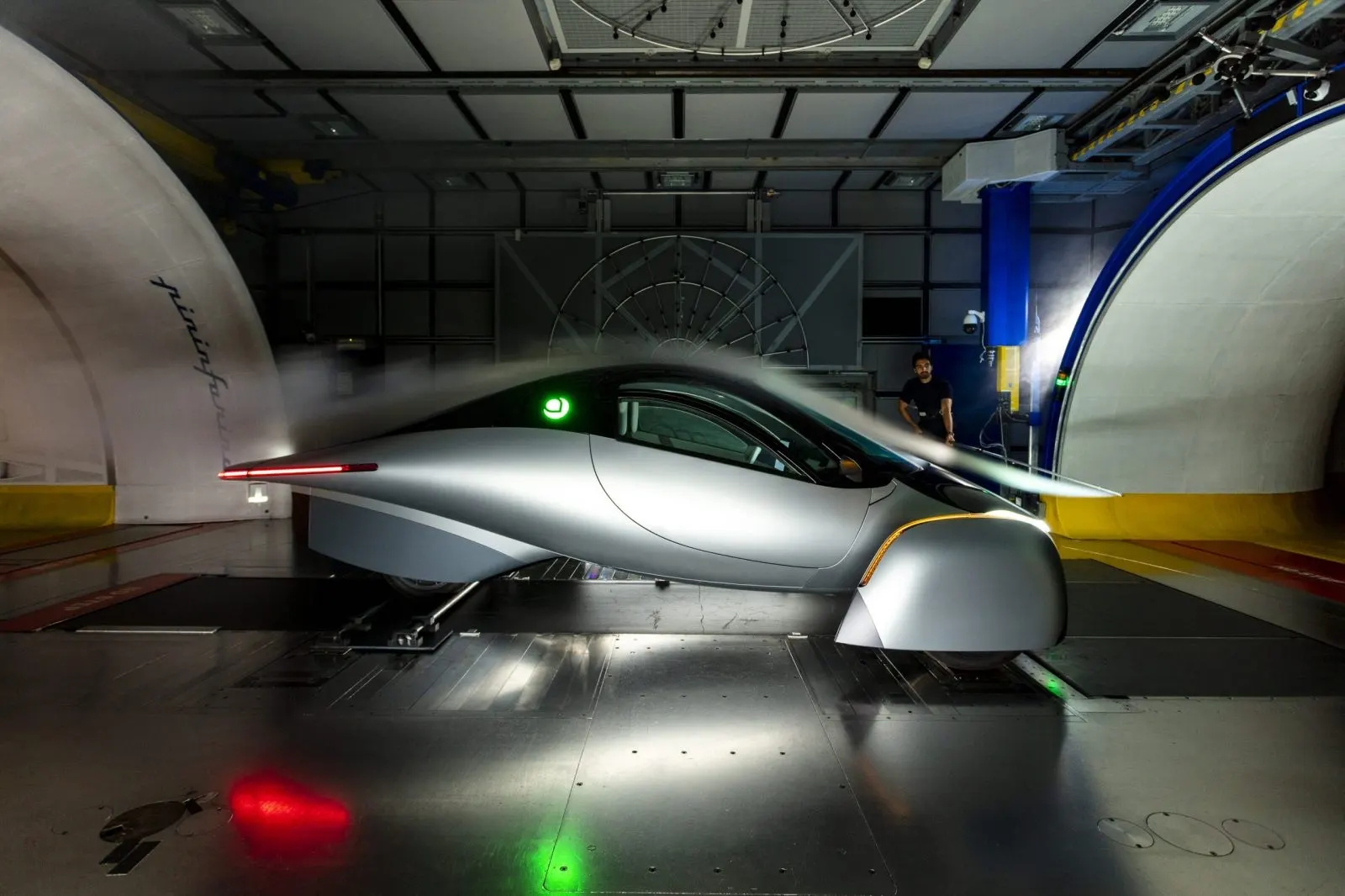
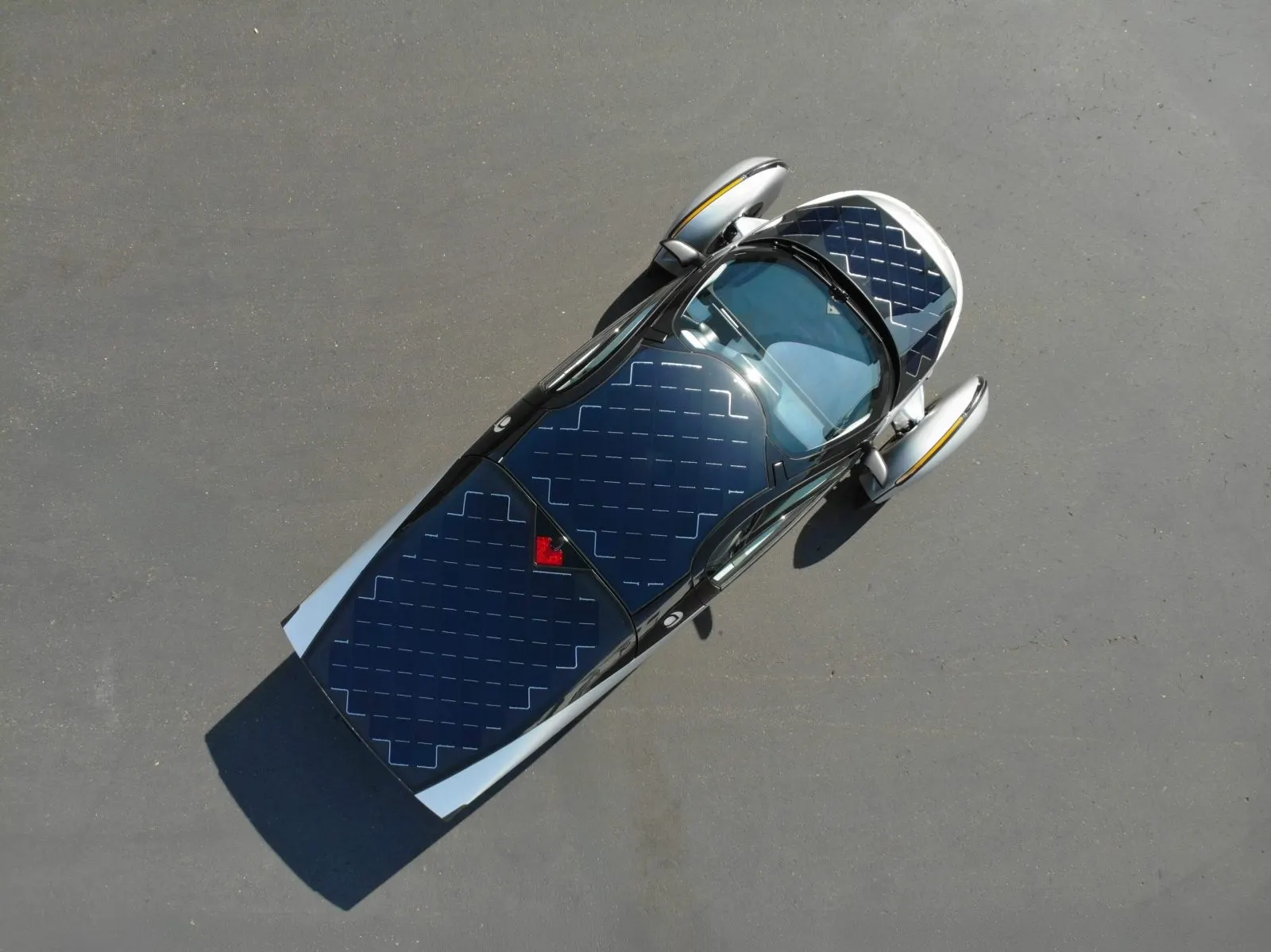
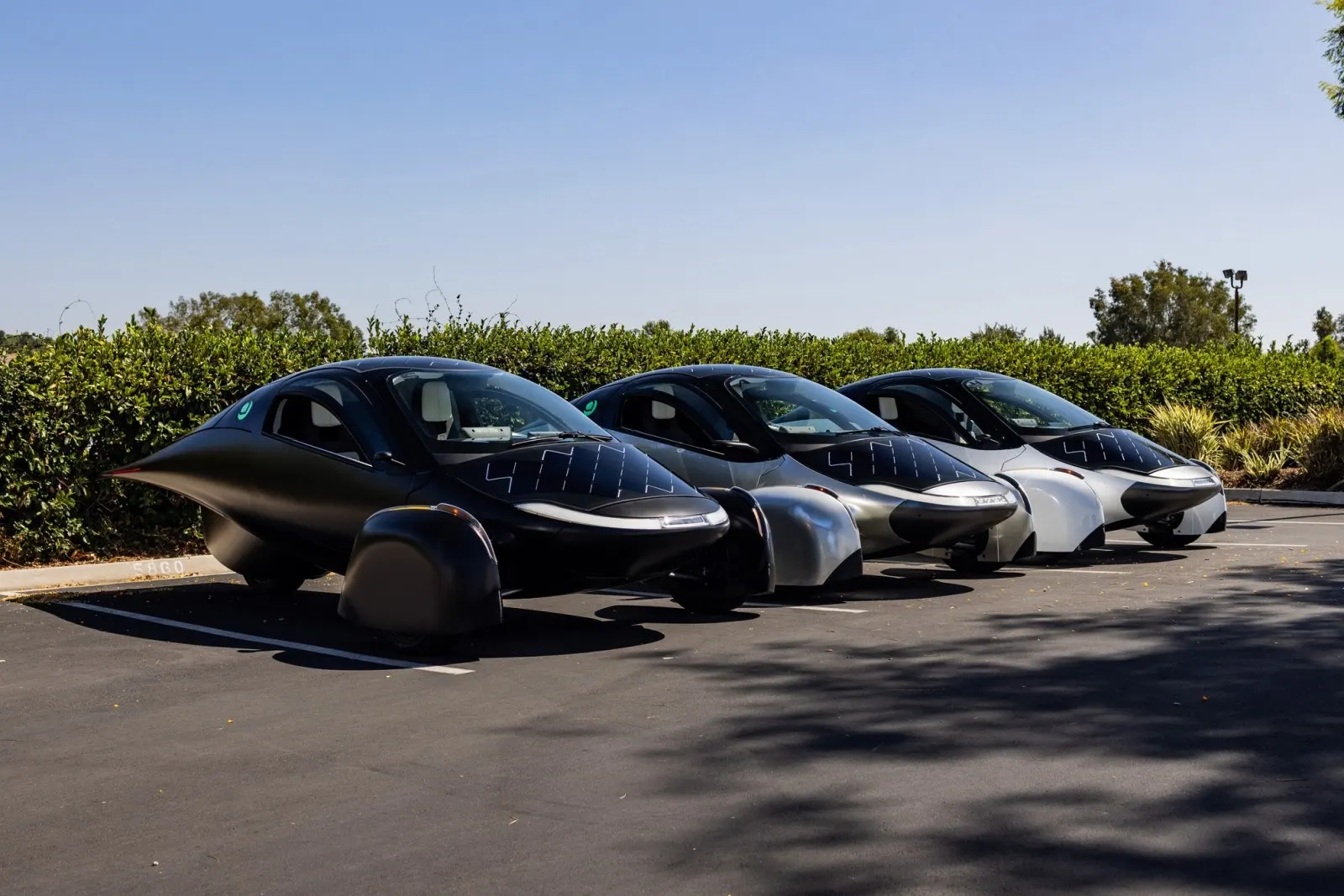

Aptera, the solar car born in 2006 and revived in 2019
- 2006: Chris Anthony and Steve Fambro create the Aptera project, according to Motorpasión.
- 2011: the company goes bankrupt before selling a single car. It re-emerges in 2019, as Híbridos y Eléctricos recalls.
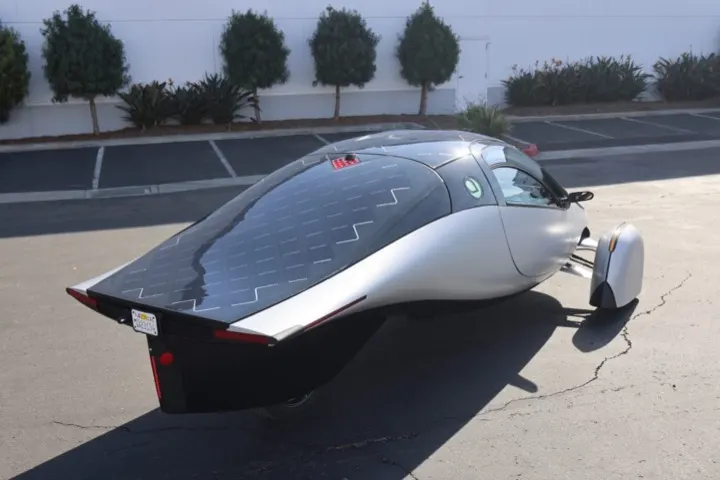
- December 2020: it opens reservations, at $100, for a two-seater with 180 small solar panels on the roof and body (El Español).
- June 2022: Aptera closes a $40 million round with universities, companies and individuals, and passes 22,000 reservations (Híbridos y Eléctricos).
El Español presented it as a solar electric vehicle that, according to the company, would not need plugging in to get around town. The brand summed it up like this: “You can park it and come back later to find more charge in the battery than it had before.”
From solar bicycle to solar electric car: Light Humanity's mobility work
Light Humanity brings solar energy to those who need it most, from the Cañada Real to the Amazon. Its lab is also taking it into sustainable mobility, and in 2022 it launched this project: an investment in Aptera.
- On land: the Solar Bicycle, which toured Spain on Solar Pedalling, and the Solar Delivery Tricycles.
- On water: the Solar Electric Boat, designed to carry 20 passengers on the Amazon River.
Electrek sums up the idea behind the Aptera: if a car is efficient enough, the panels on its roof stop being decoration and become a real source of energy.
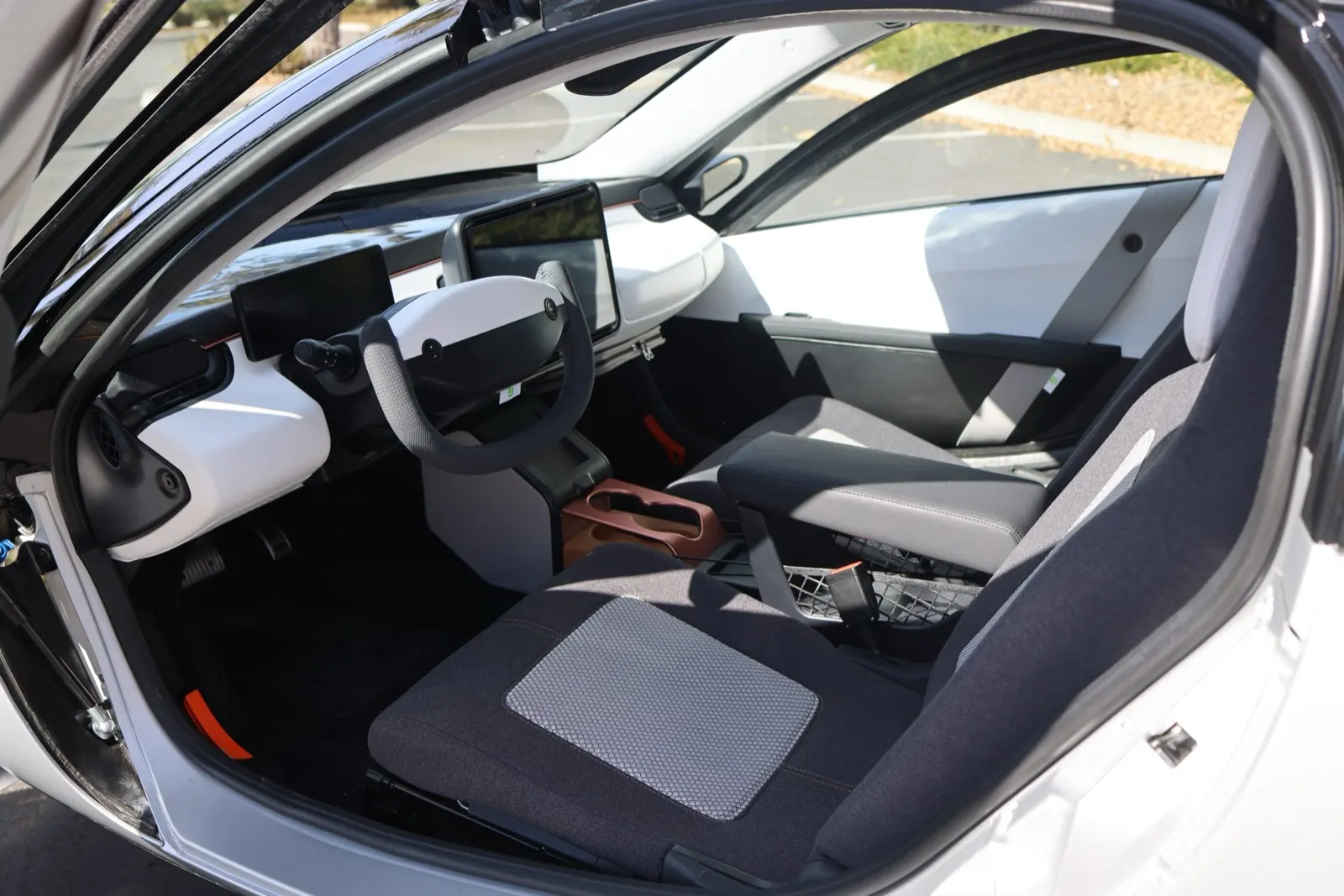
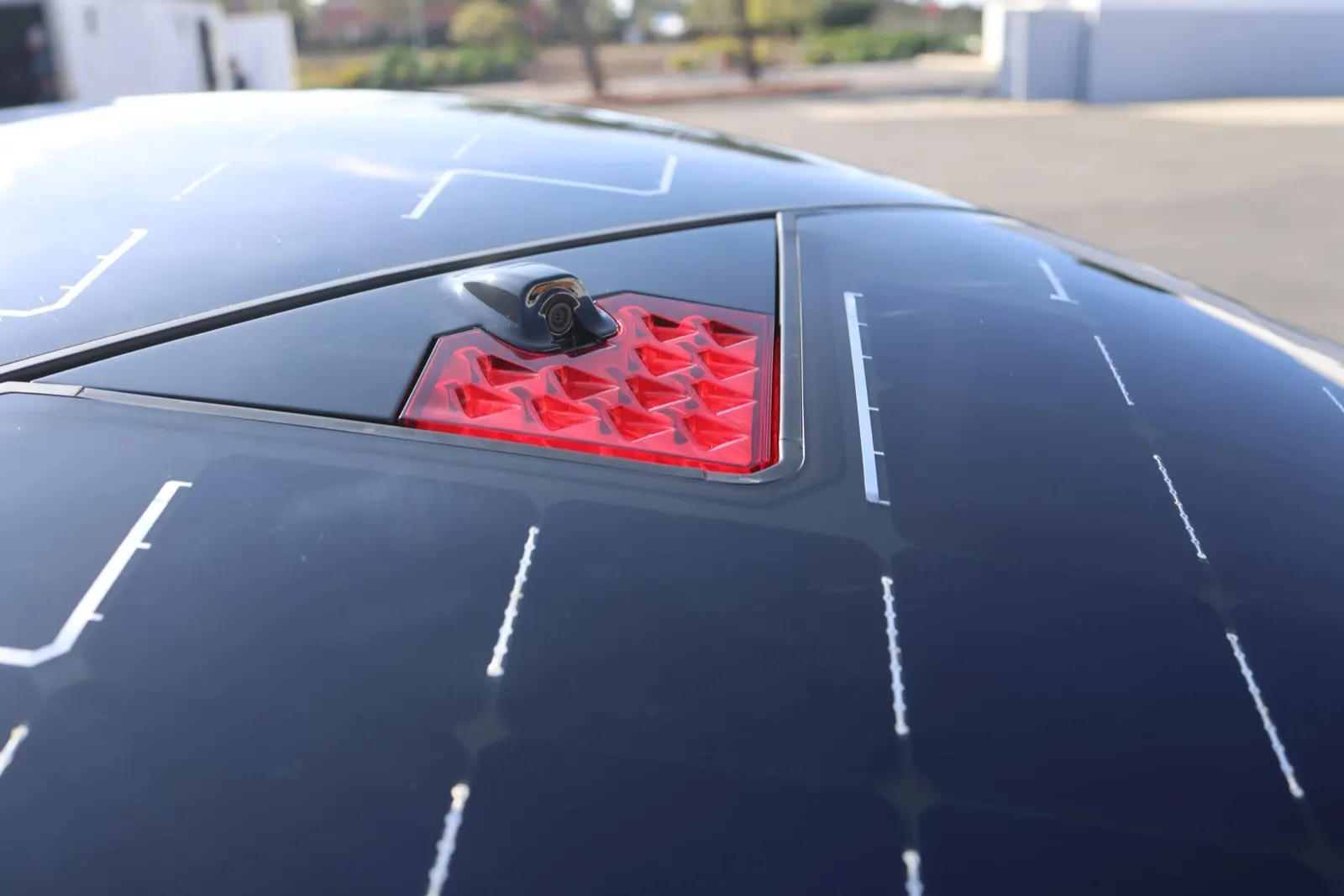
An ultra-efficient solar vehicle: a Cd of 0.13 and about 6 kWh per 100 km
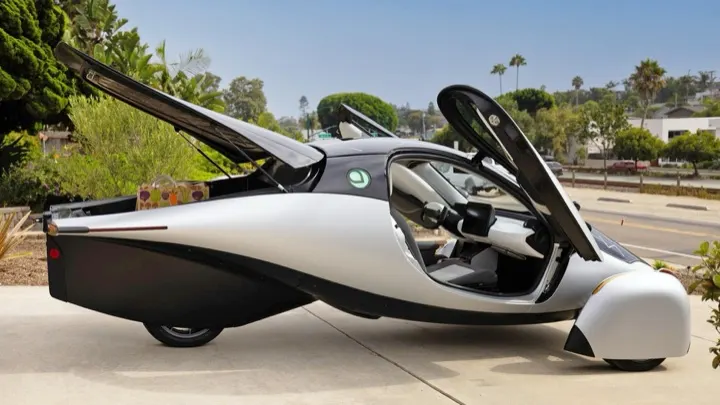
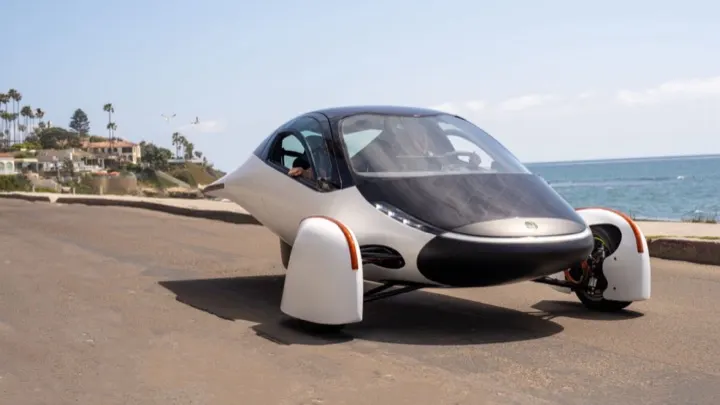
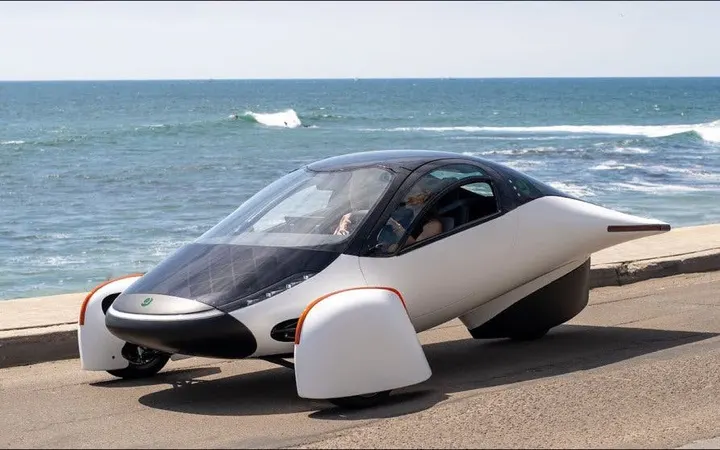
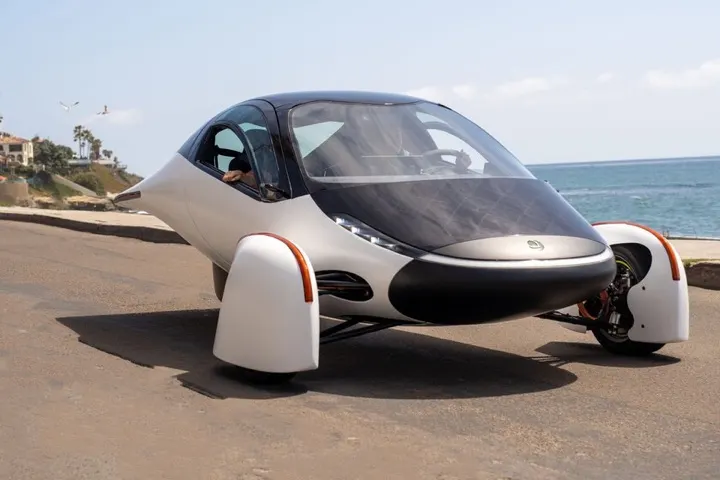
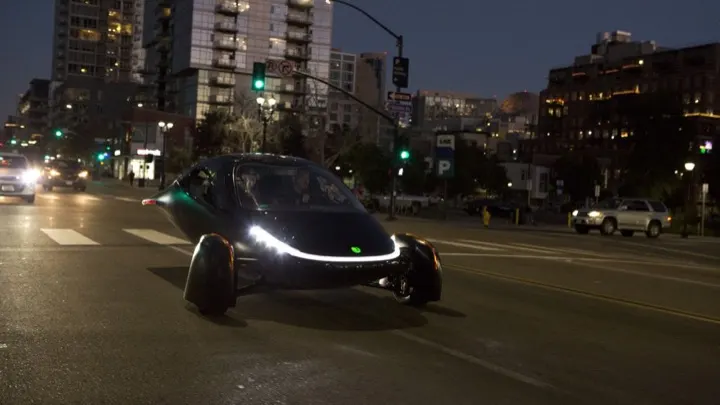
- Teardrop shape: its drag coefficient of 0.13 places it among the most efficient production vehicles.
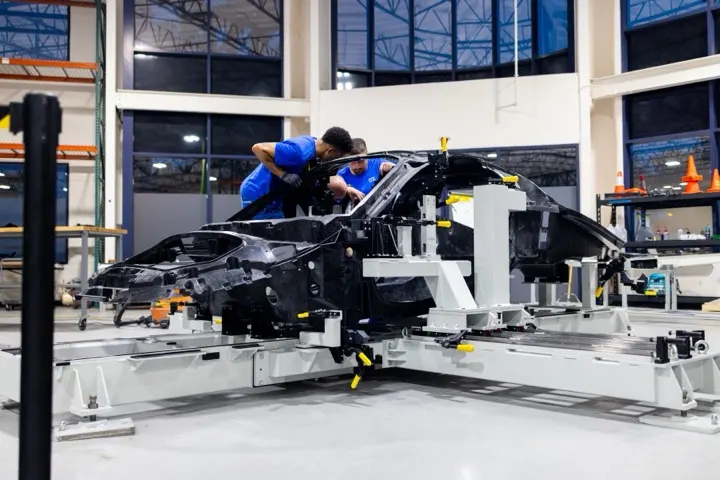
- Lightweight: a monocoque of carbon-fibre and glass-fibre composites brings it down to around one tonne.
- Frugal: about 100 Wh per mile, close to a third of what a conventional electric car uses.
- Range: it carries a 40 kWh battery, and Aptera claims up to about 640 km on a full charge, figures yet to be validated (Híbridos y Eléctricos); its solar panels add up to about 700 W.
These are company figures reported by Híbridos y Eléctricos in July and August 2026. What the sun contributes, however, has now been measured by an independent laboratory.
TÜV Rheinland measured more than 4 kWh of sunlight a day on an Aptera
In July 2026, an expert from TÜV Rheinland, the German testing body, spent three days at Aptera's Carlsbad plant measuring the solar energy entering the battery of a validation vehicle. The company's goal was 4 kWh a day, and the car beat it on all three days, according to its press release and the full report. It is an independent measurement, not a certification of the car.
- Parked and left untouched: 4.23 kWh, about 68 km of range.
- Turned once at midday: 4.40 kWh, about 71 km.
- With the tailgate raised towards the sun: 4.75 kWh, about 76 km, and that on the least sunny of the three days.
Aptera calculates the kilometres using its target consumption of 100 Wh per mile. These were clear July days in Southern California: in other weather, another place or another season, the result will vary, the company cautions.
More than 19,000 investors and the Nasdaq to fund the solar car
- May 2024: it closes its crowdfunding campaign with $135 million from more than 19,000 investors (Híbridos y Eléctricos).
- December 2024: it reopens the campaign, with investments from $1,000 and shares at $14.80.
- October 2025: it receives approval to list on the Nasdaq under the symbol SEV (Aptera press release).
- January 2026: it launches an offering of about $9 million at $2 a share, and its stock falls by more than 40% (Híbridos y Eléctricos).
Aptera has been funded largely by small investors, and the road is not an easy one: Lightyear and Sono Motors, which also tried to make solar cars, ran out of money before they succeeded, Electrek recalls.
“Our vision is clear: a world where every journey is powered by the sun” — Aptera Motors, in a statement (Híbridos y Eléctricos)
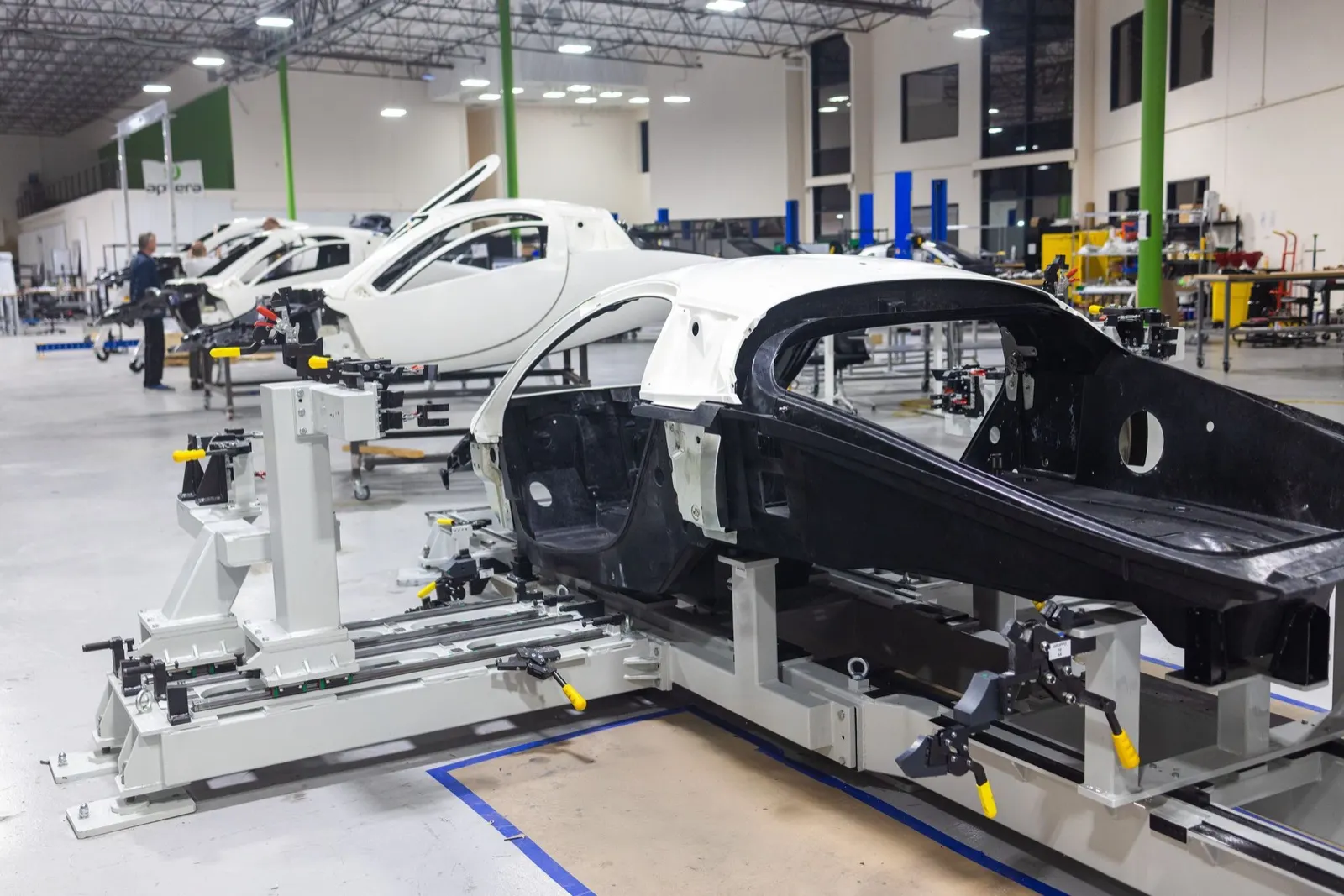
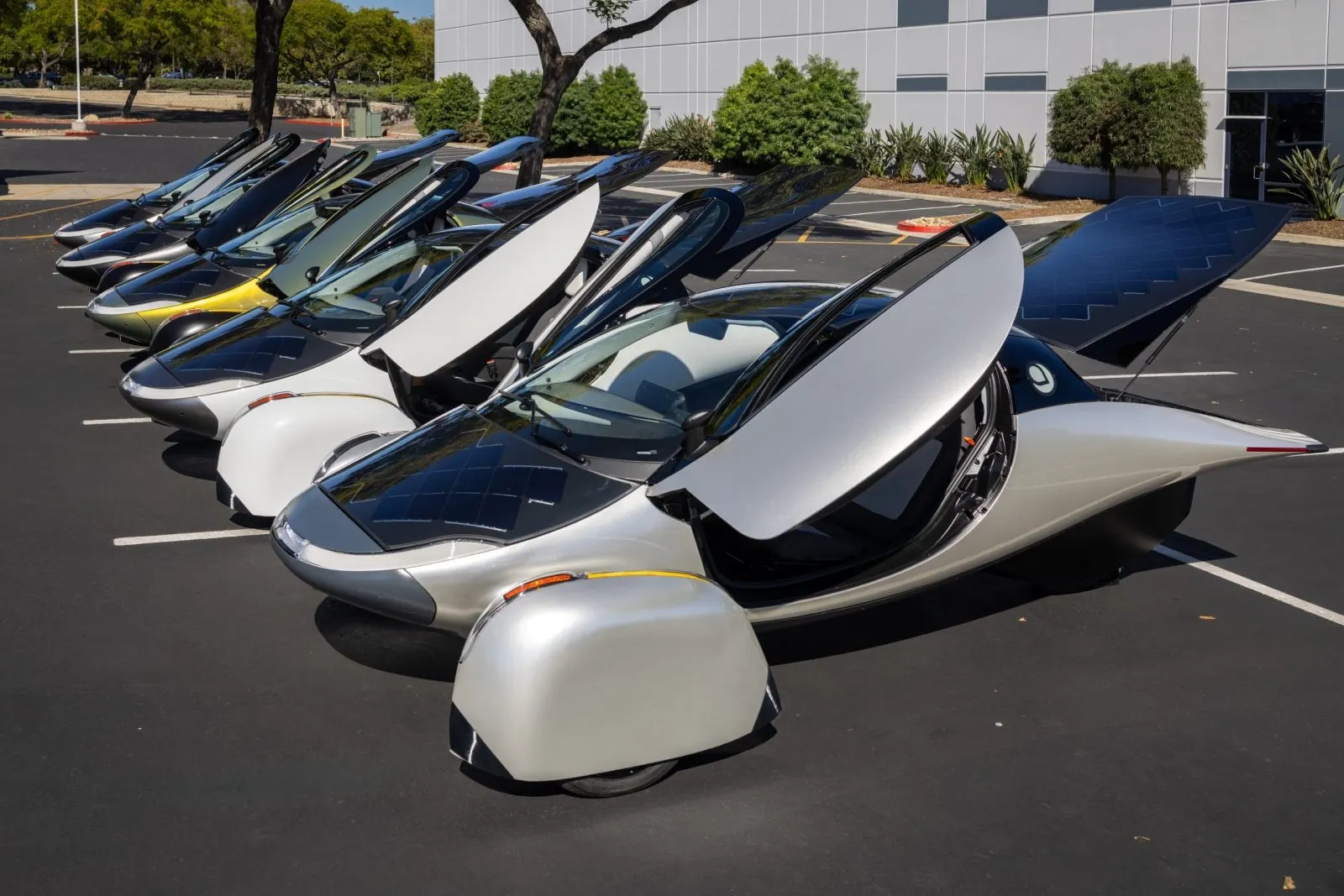
From the validation line to the first 40 production cars
- October 2024: first low-speed test of a production-intent vehicle, still without solar panels, doors or windows (Omicrono).
- January 2025: it presents the production-ready version at CES, with almost 50,000 reservations (Electrive).
- November 2025: it begins assembling validation vehicles at its Southern California plant (Electrive).
- May 2026: the first five validation vehicles roll off its 14-station line in Carlsbad.
In June 2026, the US Environmental Protection Agency (EPA) granted it a certificate of conformity, one of the two federal permits needed to sell. In August it ordered bodies and chassis for its first 40 cars: “These parts are intended for the first customer vehicles,” explained Chris Anthony, co-CEO, according to Híbridos y Eléctricos.
What's next: $25 million to build the first 40 Apteras
On 1 October 2026, Aptera cut what it needs to start production to about $25 million, down from the $40 to $45 million it had previously estimated, according to its press release.
- End of 2026: start assembling its first 40 production cars.
- Early 2027: first deliveries to customers, if the funding arrives in time.
- 500 cars a month: the rate at which it believes it could sustain itself on sales; it estimates about $65 million in total to get there.
- Doubts on the stock market: its shares fell by around 15% on the day of the announcement (Electrek).
For Light Humanity, the project remains ongoing. And the lessons of the Aptera can already be seen in the design of the Aeromóvil, the lab's lightweight, aerodynamic vehicle.
In the media
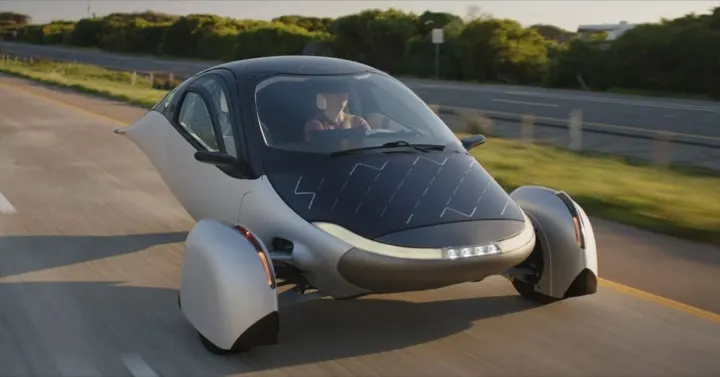 Aptera (SEV) now says it needs $25M to start production, stock drops 15% — Electrek (in English) · 01/10/2026
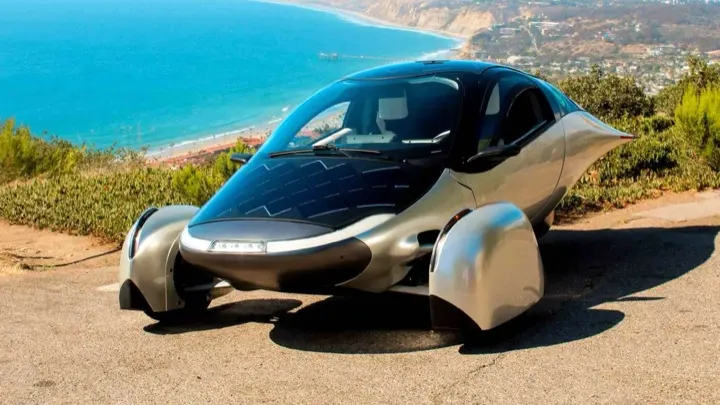 The only solar car to have survived takes the decisive step: Aptera prepares its first 40 units for customers — Híbridos y Eléctricos · 07/08/2026
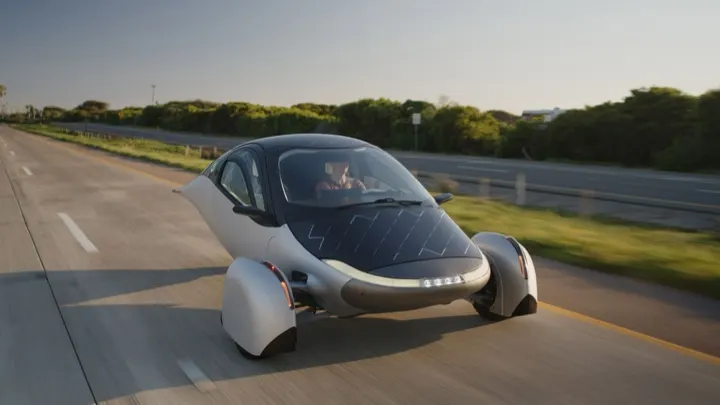 Aptera solar car: how much range its integrated solar panels can generate — Híbridos y Eléctricos · 01/07/2026
 Aptera's solar car: what it is and what you should know about its funding — Híbridos y Eléctricos · 27/01/2026
 Aptera starts a validation line for the production of solar electric vehicles — Electrive (Spain) · 12/11/2025
 Aptera presents a production-ready solar trike at CES — Electrive (Spain) · 08/01/2025
 Aptera relaunches crowdfunding campaign to finance its solar car — Híbridos y Eléctricos · 08/12/2024
 This ultralight solar car has passed its first road test: it could travel 1,600 km without stopping to recharge — El Español (Omicrono) · 04/11/2024
 Aptera raises $40 million and secures production of its solar electric car — Híbridos y Eléctricos · 08/06/2022
 There's a solar car taking the market by storm: cheaper than a petrol car and with more range than any electric — Motorpasión · 08/06/2022
 Aptera builds the first electric car that recharges itself with solar panels — El Español (Invertia) · 15/12/2020