Solar Crowd Investment Platform
Crowdfunding platform for projects that need a loan to carry out a solar energy installation
Solar Crowd turns small loans into solar energy for families in energy poverty
Solar Crowd is the crowdfunding platform that Light Humanity launched in 2021 so that anyone can lend from €100 to solar energy projects tackling energy poverty in Spain, Latin America and Africa. Families pay in instalments with what they save on fuel, and lenders choose to earn between 0% and 6% a year.
- What it is: a solar energy investment platform where individuals and companies lend money to businesses and organisations that bring solar power to those who lack it.
- Where: Spain, Honduras, Kenya, Colombia, the Brazilian Amazon and Mozambique.
- Who: Light Humanity incubated it; its co-founders include Eugenio García-Calderón Huerta, its CEO, and Arturo Rubio; the team includes María Roca, Ramón Cañas and Antón Jauregui.
- Safeguards: pay-as-you-go solar equipment, company guarantees and a contingency fund.
- Result: according to its website, its community has lent to more than 10,000 families and has recovered 100% of its loans.
- What's next: according to its website, turning the association into a financial services cooperative.
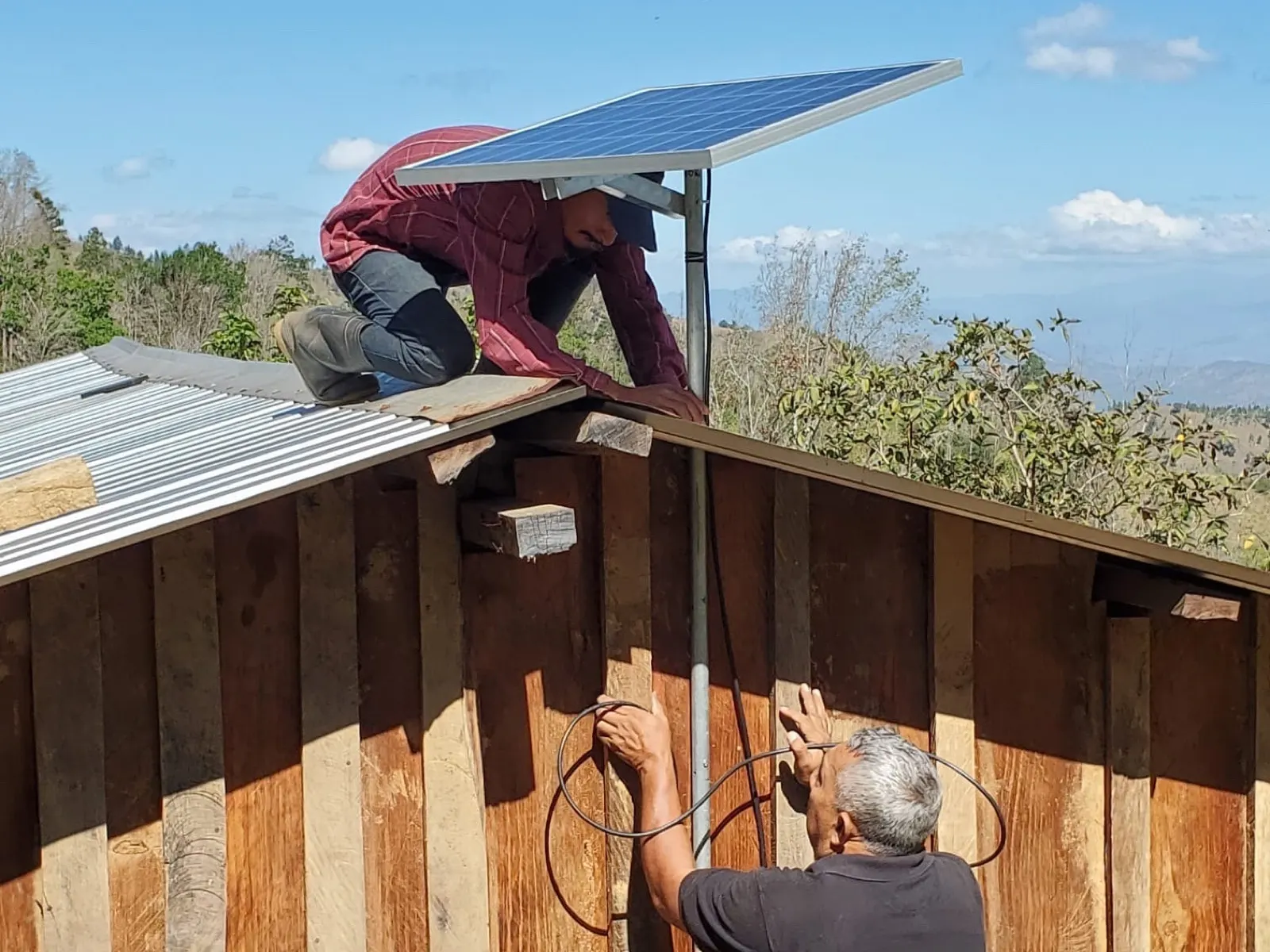
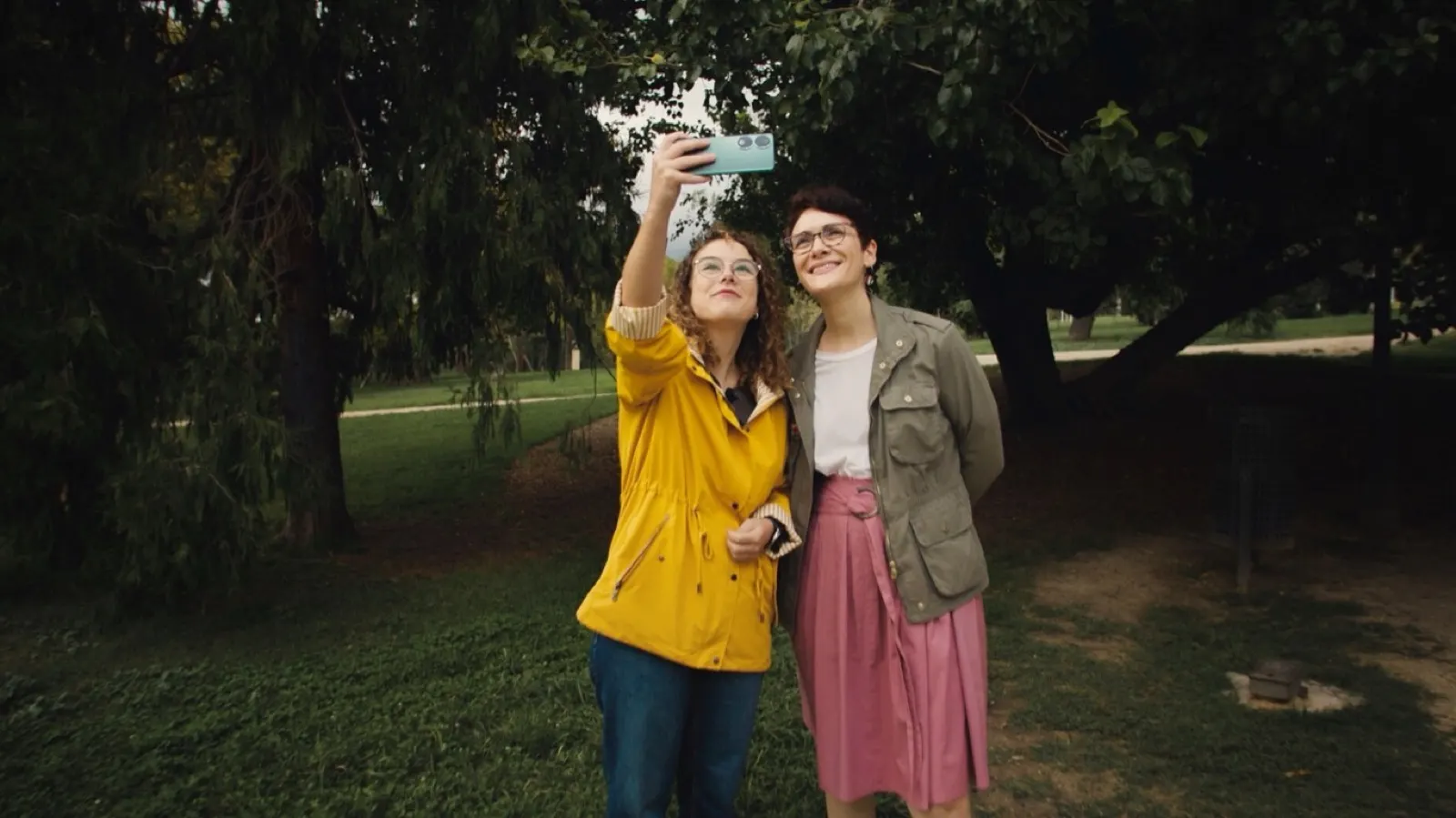

Cañada Real: community loans brought electricity back to about 100 families
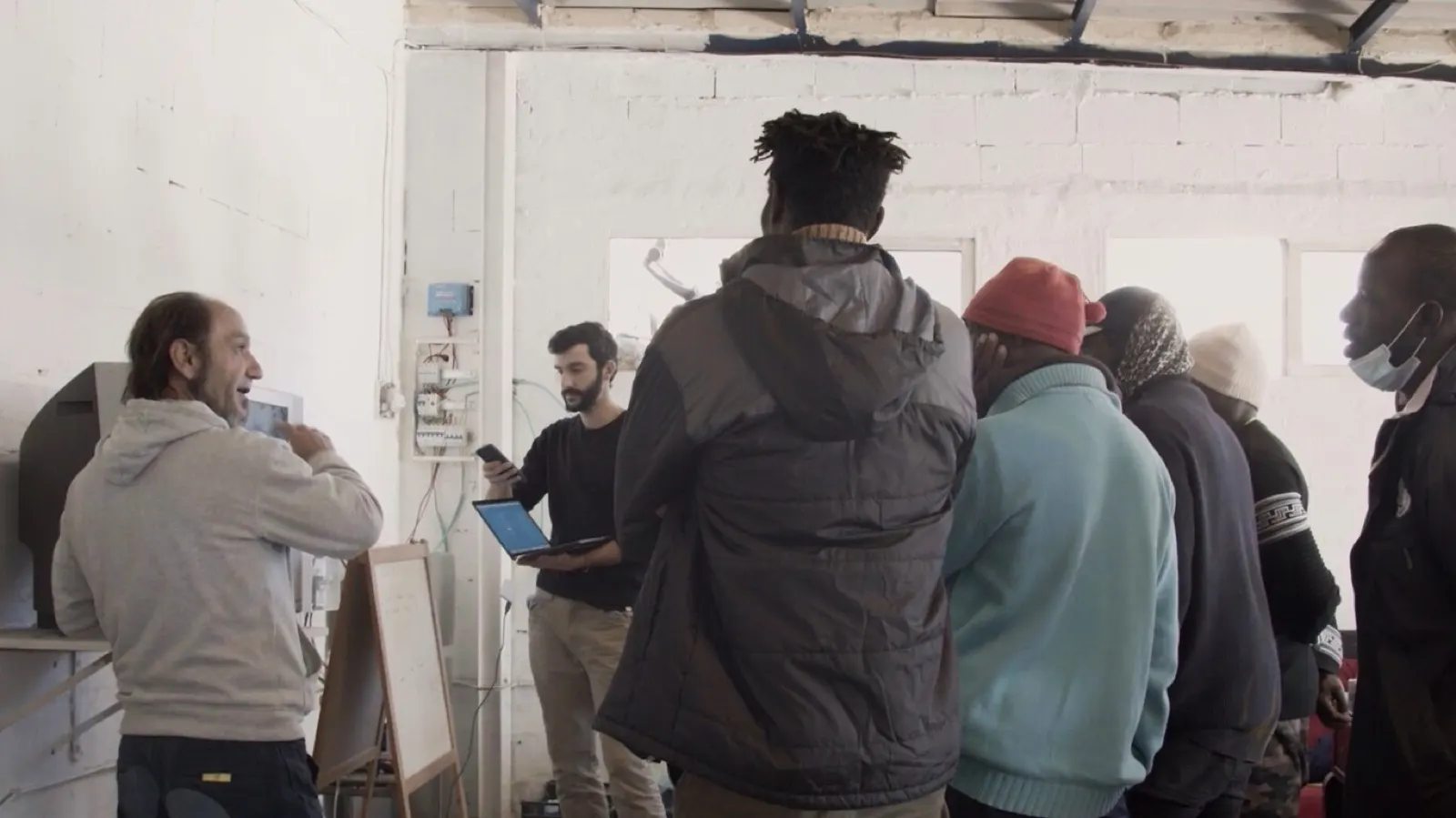
When the Cañada Real (Madrid) lost its electricity in 2020, Light Humanity brought in panels with reused electric-car batteries and trained electricians from the neighbourhood (Cañada Solar). How to pay for it? “What we did was ask the people in our community, the Solar Crowd community, to lend us money,” Eugenio García-Calderón Huerta told Energías Renovables.
- The loans: over two or three years, at 0, 2 or 4%.
- The families: paid month by month with what they saved on diesel.
- The outcome: about 100 families (about 400 people), about 250 kW of panels and between 560 and 580 kWh of batteries.
- Late payments: these were covered by a safety fund built from donations; “today all the lenders have got their money back”.
From the Amazon to its own website: how Solar Crowd came about between 2018 and 2022
Companies that bring solar power to communities without electricity struggle to obtain the credit they need to offer payment plans (Fundación Triodos). Light Humanity decided to connect them with people who want to invest ethically.
“Access to solar energy in the world's most remote and vulnerable regions is no longer a technological challenge but a financial one” — Arturo Rubio, co-founder and head of projects at Solar Crowd (Energías Renovables)
- 2018, the forerunner: in the Brazilian Amazon, local entrepreneurs and 25 women “light multipliers” used microfinance to bring solar solutions to more than 5,000 households on Marajó Island, which gave up kerosene (Goteo).
- September 2021: Light Humanity presents its solar loans for local communities.
- Late 2022: Solar Crowd launches its own website, separate from Light Humanity's (Goteo).
- 14 December 2022: a webinar presents Solar Crowd, “our participatory finance tool”.
How to lend on Solar Crowd: from €100 and with a choice of interest rates
Xataka called it Light Humanity's “collective bank”. Solar companies publish their projects, the community lends to them and the repayments are shared out: each lender withdraws or reinvests them (FAQ).
- Three interest options: 0% solidarity, 2% philanthropic or 4% to 6% for-profit (Solar Crowd video).
- No fees for lenders: the project developer pays 7% of the amount financed and 1% a year.
- Traceability: each account shows the people who have benefited, the CO₂ avoided and the expected return (Funds Society).
“My grandfather taught me that where justice does not reach, solidarity must. Solar Crowd is that beautiful way of fighting energy poverty and bringing together worlds separated by inequality” — Milagros Pretel Merlo, doctor and investor in Solar Crowd (Solar Crowd)
Prepayment, guarantees and a contingency fund: the safeguards of solar crowdlending
This is how Solar Crowd reduces the risks of lending to families off the electricity grid, according to loan pages such as Light of Honduras III:
- Prior assessment: each project receives a score from 0 to 100 and is published only with 60 or more.
- Pay-as-you-go equipment (PAYGO): the system unlocks when the family makes its payment.
- Guarantees: in Kenya, Rafode provided a 6% guarantee and Solar Crowd guaranteed 70%; in La Guajira, Fundación Tierra Grata guaranteed 100%.
- Contingency fund: financed from part of the profits and a surcharge of 0.5% a year.
The risks of lending on a crowdlending platform
- Loss of capital: lending “entails risks such as the total or partial loss of the capital invested” (risks and warnings).
- No guarantee fund: Solar Crowd is not registered as a credit institution or an investment services firm, so no deposit or investment guarantee fund covers the money lent.
- No CNMV supervision: its FAQ explains that it is not regulated by Spain's CNMV “because of prior restrictions that make it impossible to make loans outside Europe”.
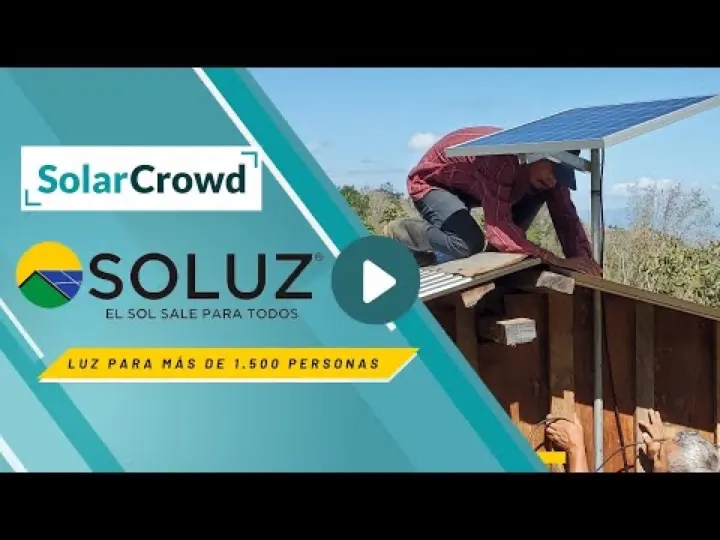
Solar energy in Honduras: Soluz sought three rounds of loans for rural families
In June 2023, Solar Crowd launched the campaign Solar Energy against Energy Poverty on Goteo to bring solar power that year to 30,000 people in rural communities in Honduras (Energías Renovables, Funds Society).
- The partner: Soluz Honduras, a social enterprise founded in 1994 that has installed and financed more than 26,000 photovoltaic systems.
- First round: for rural homes and schools without electricity.
- Second and third: for 310 and 620 families in Yoro, more than 1,500 and more than 3,000 people, after Soluz had honoured the first loan (Light of Honduras).
For its founder, Richard Hansen, the loan was “very important for expanding our inventory of solar products”. More at Light for Honduras.
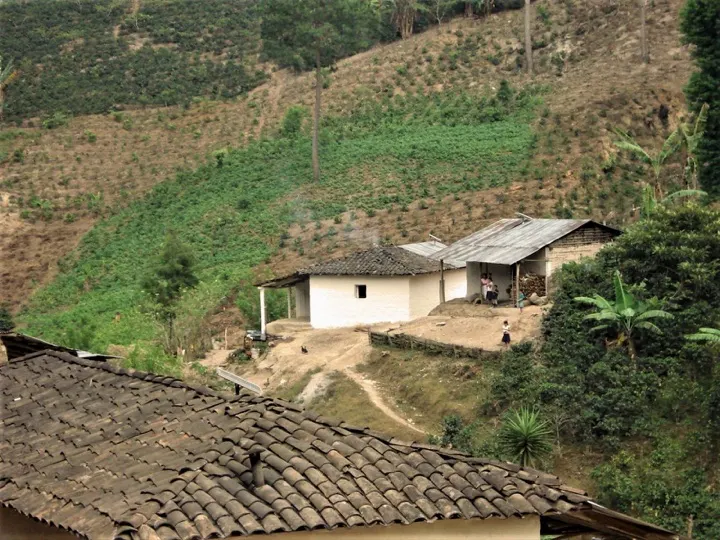
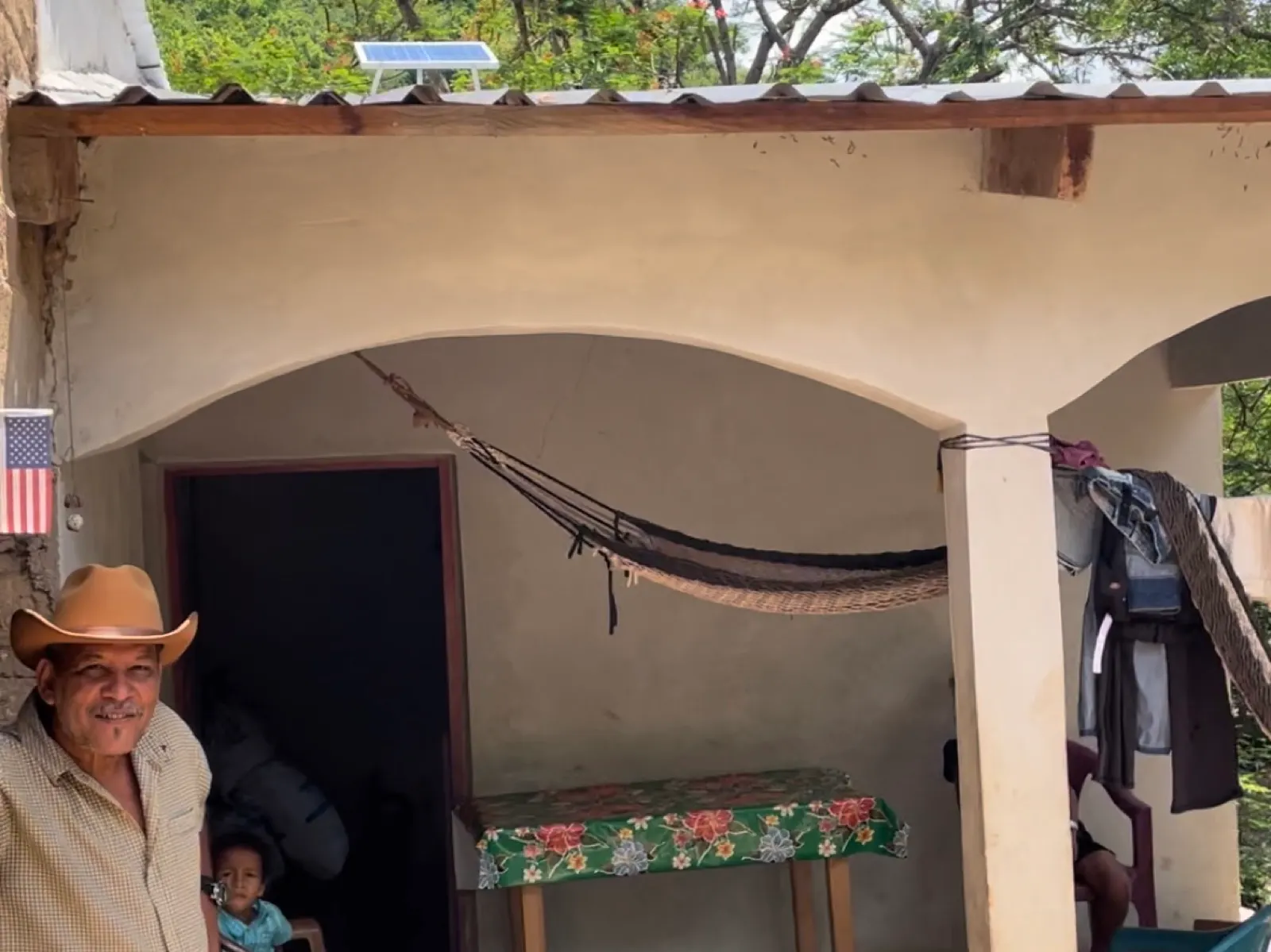
In Spain, solar loans for shelters in Sagunto, Toledo and Madrid
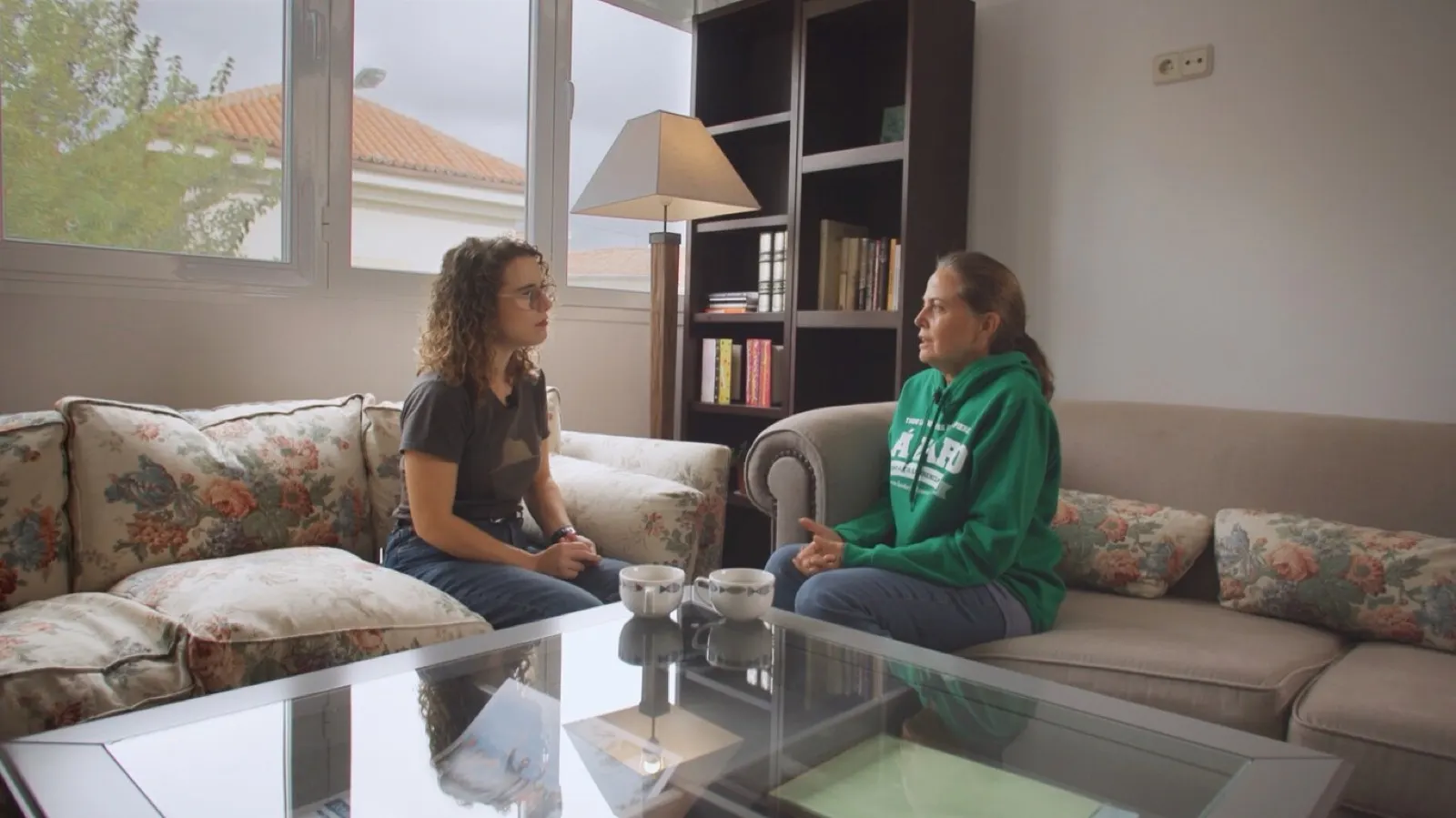
Some social centres pay their electricity bills with donations. “We have already carried out installations at a shelter in Sagunto and at Fundación Lázaro in Madrid, which takes in homeless people,” García-Calderón said in Energías Renovables.
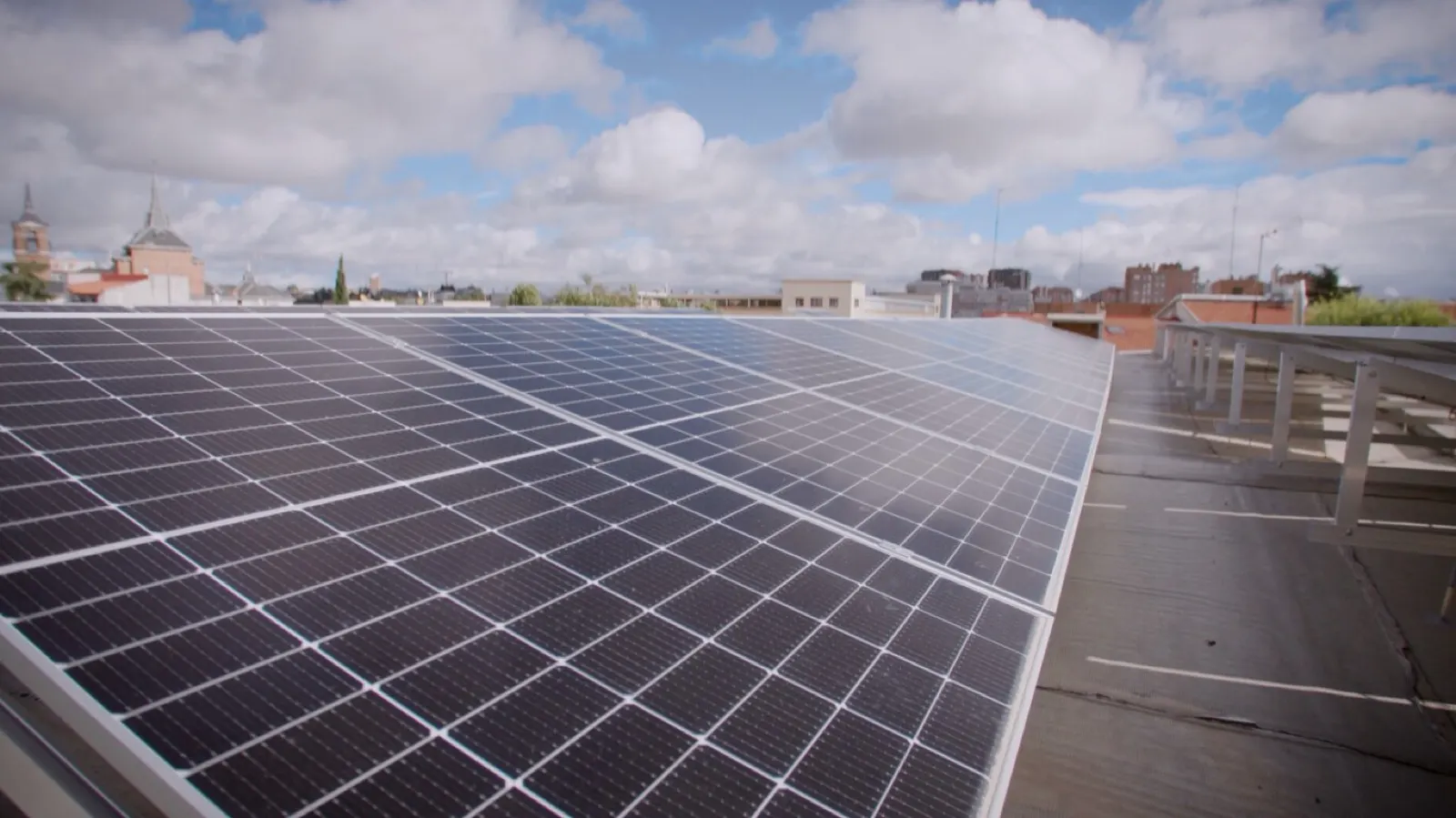
- Fundación Lázaro (Madrid): solar energy with aerothermal heating for its flat shared by homeless people and young people (Lázaro Solar Home, loan).
- Casa Zaqueo (Toledo): temporary shelter, with support from Cáritas, for highly vulnerable families (Zaqueo Solar Centre, project). There, heritage protection rules prevented panels from being placed on the building, and the search for an alternative gave rise to the remote self-consumption offered by Comunidad Solar (Energías Renovables).
- La Casa Nueva (Sagunto): another shelter with solar energy (Casa Nueva Sagunto).
“Light Humanity offered us an investment in efficient energy that we could never have contemplated,” recalled Isabel de las Casas, director of Casa Lázaro, in Xataka.
Kenya, Colombia, the Amazon and Mozambique: loans to local solar companies
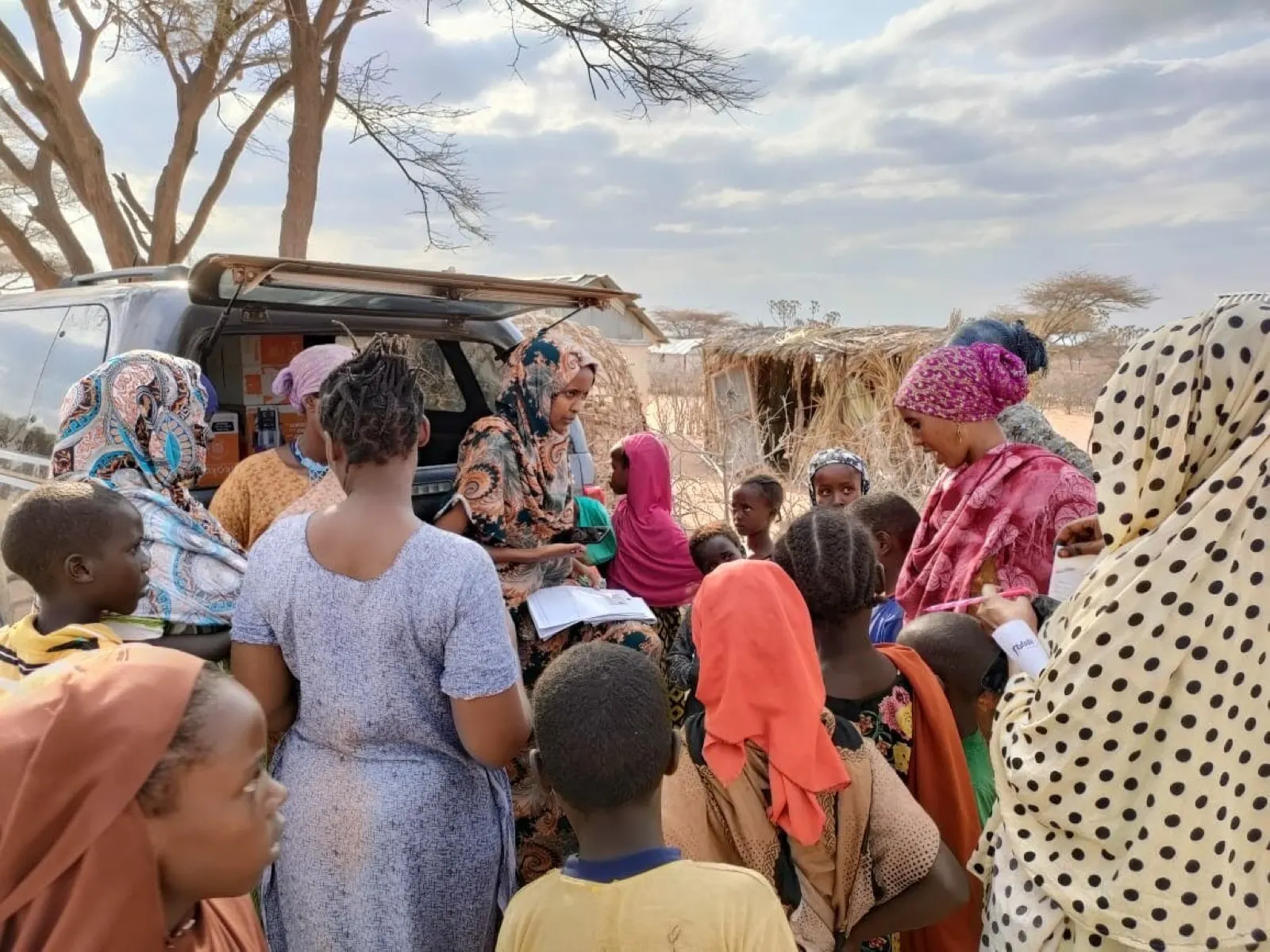
Outside Spain, Solar Crowd lends mainly to social enterprises that sell solar equipment in instalments in areas off the electricity grid.
- Kenya: Rafode, founded in 2015, sought loans for more than 1,000 rural households and, later, for more than 1,500 in Kisumu (Light for Kenya).
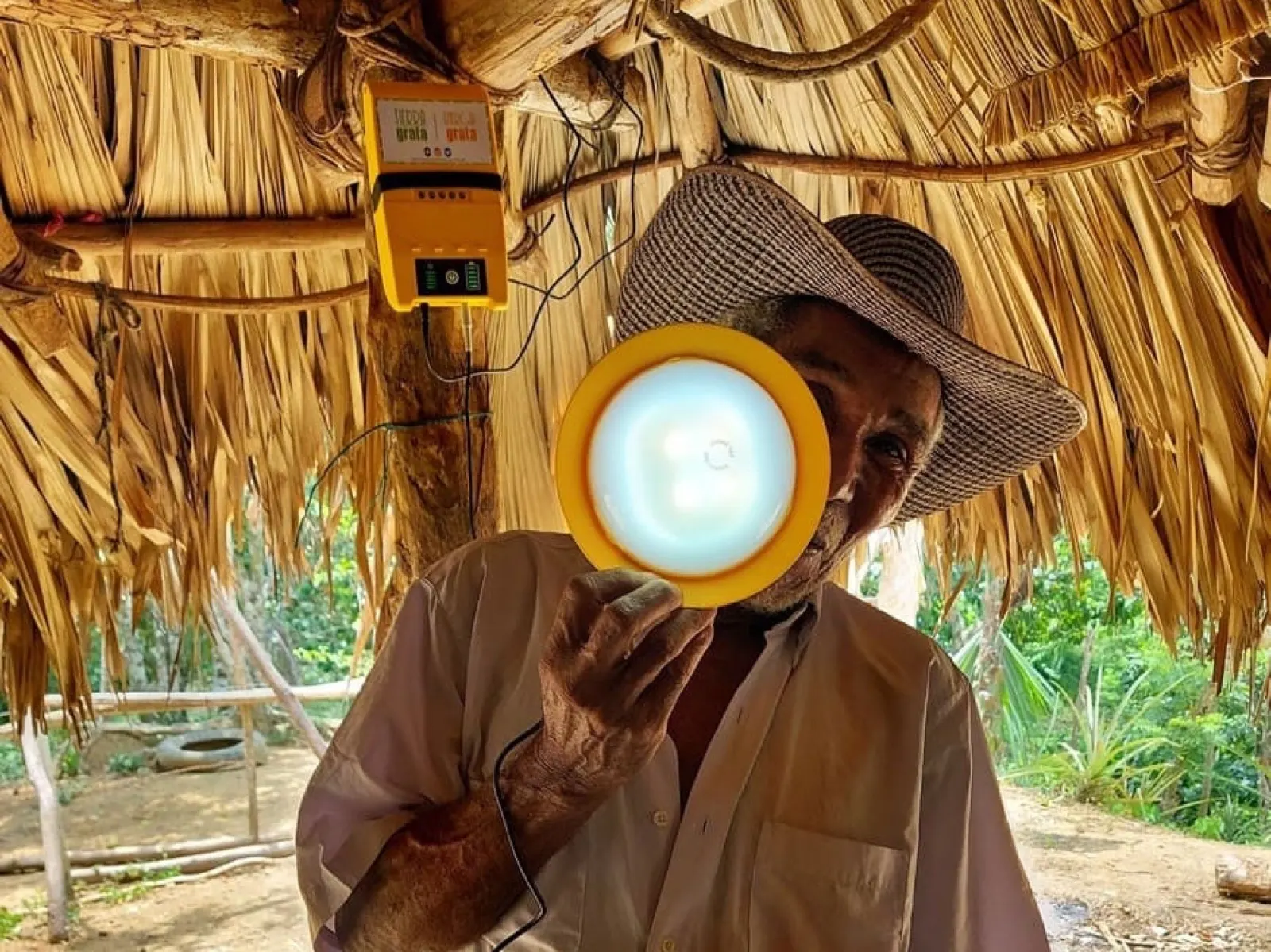
- Colombia: €13,500 over five years for 200 solar systems in La Guajira, for more than 1,000 people who relied on candles (Light of Guajira).
- Brazil: a loan sought to bring solar power to more than 14,000 people in remote parts of the Amazon (Light of the Amazon).
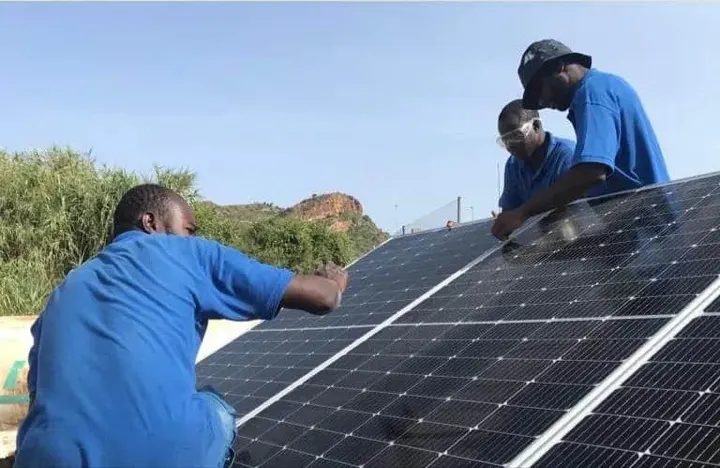
- Mozambique: solar irrigation for about 200 farming families in Magunde (Mozambique Solar Irrigation).
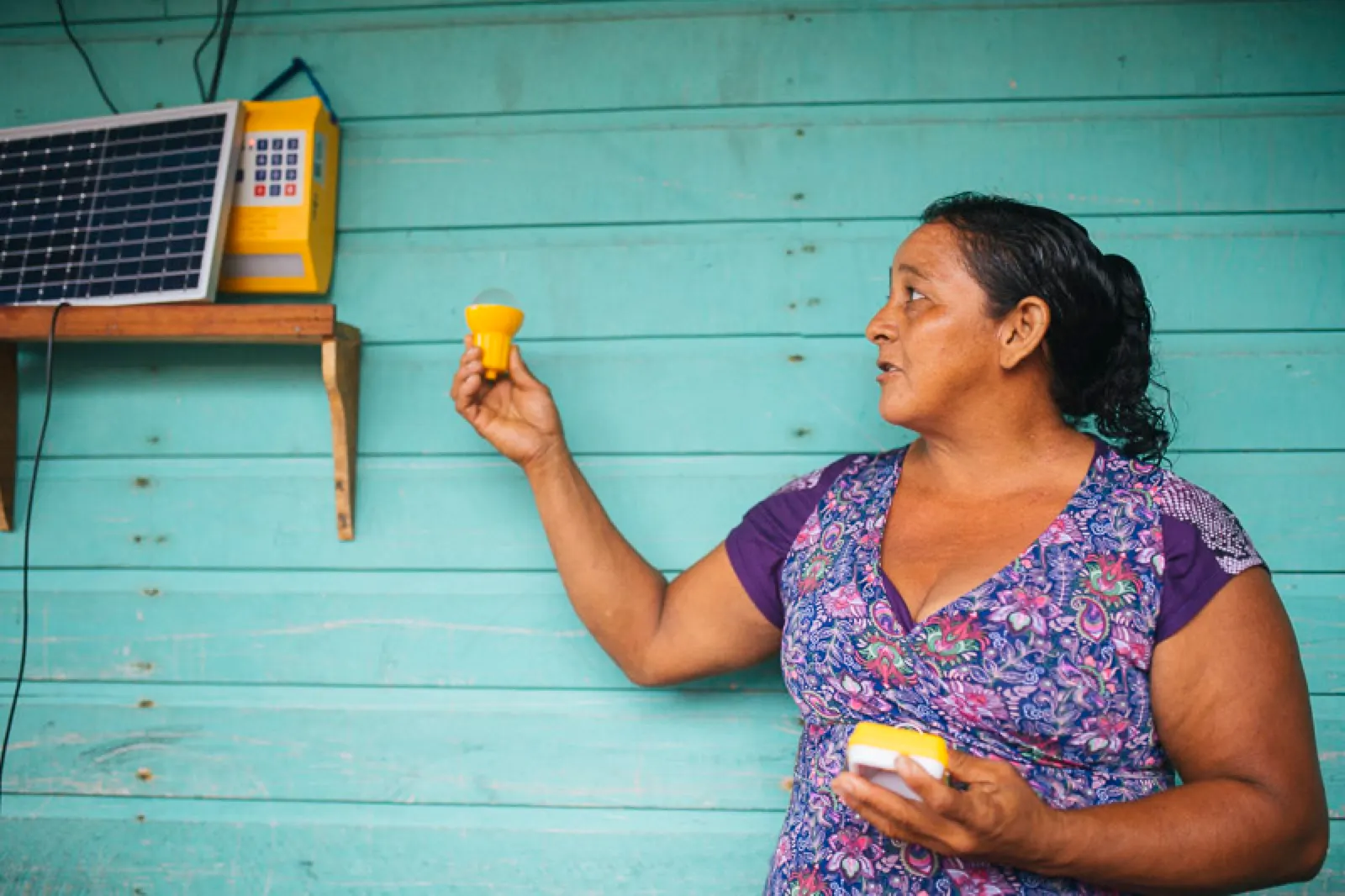
In the Amazon, Grazziete paid in instalments for a solar lamp so she could give up kerosene; her family then invested in a larger system that even brings her internet access, the platform's website recounts.
More than 10,000 families financed and 100% repaid, according to Solar Crowd
Its website, solarcrowd.com, now under the Light Humanity name, states that the Light Humanity community has lent to more than 10,000 families to help them give up fossil fuels and that, in five years, it has recovered 100% of its loans thanks to the safety fund. In mid-2023, its campaign on Goteo spoke of 15 solar projects financed through collective loans.
- Recognition: in November 2023, Light Humanity received the Honor Seal from “In Search of HONORability”, the project by Xataka and Honor.
- For donors: the campaign “A Fund that Lights Up Lives” (Fundación Triodos, 2023) sought to create a fund of donations converted into interest-free loans; it raised €2,927, 23% of its minimum target.
- For solar companies: the “Call for Projects 2023” offered a first loan of up to €50,000 over 18 months (Solar Crowd).
- What's next: its FAQ says it is “in the process of converting the association into a financial services cooperative”.
In the media
 Solar Crowd will finance solar energy for millions of people — El Referente · 28/02/2023
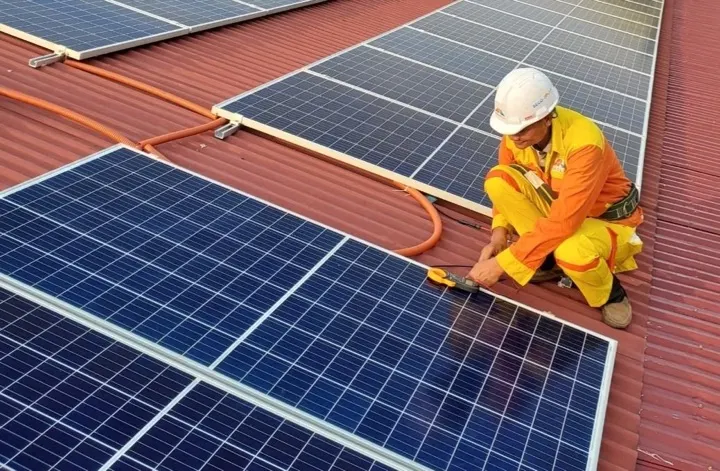 With the Spanish fintech Solar Crowd, anyone can invest by financing solar energy — Merca2 (Comunicae) · 09/03/2023
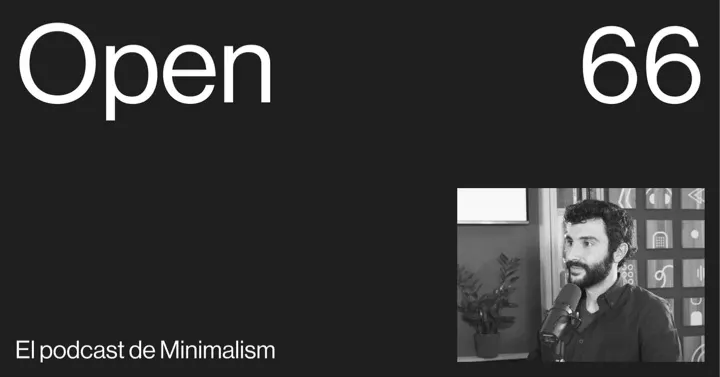 Comunidad Solar | Social entrepreneurship | Imagine losing your electricity overnight — Open Startups by Minimalism (podcast) · 25/04/2023
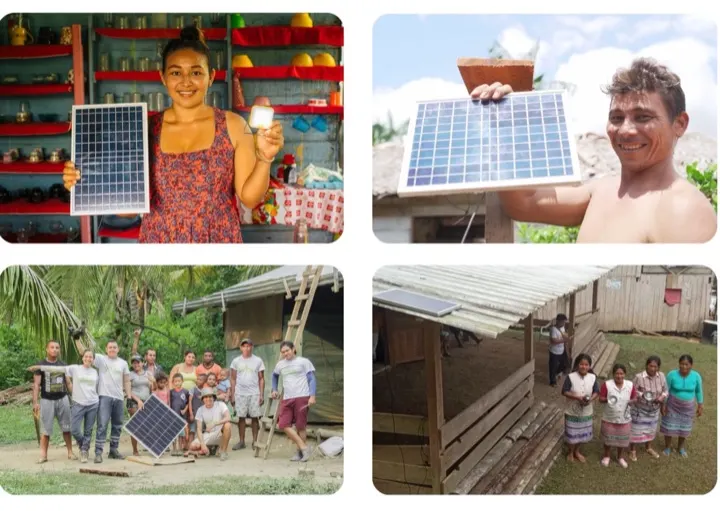 Solar Crowd will finance solar energy for 30,000 people living in energy poverty in Honduras — Funds Society · 19/06/2023
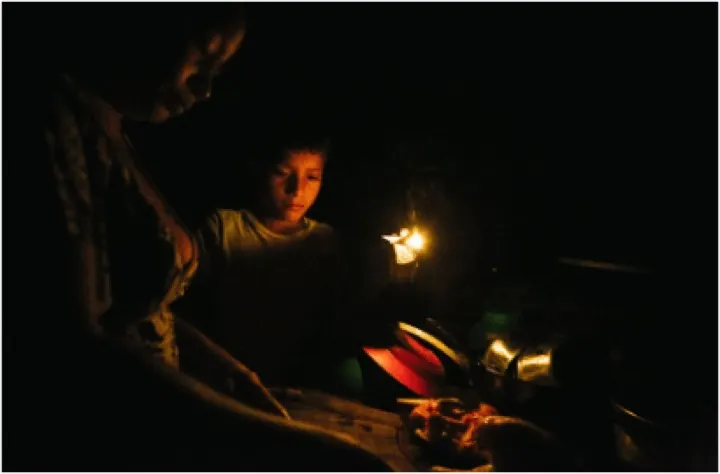 Solar Crowd launches a crowdfunding campaign in Honduras — Energías Renovables · 21/06/2023
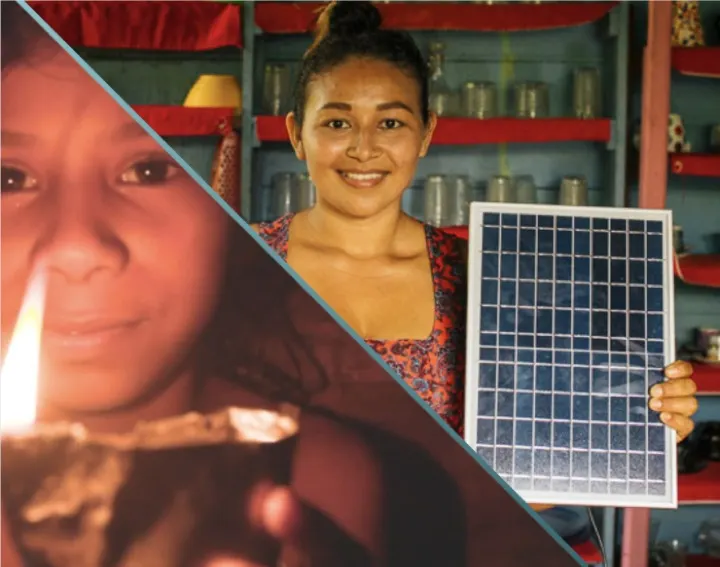 Solar Energy against Energy Poverty — Goteo · 06/2023
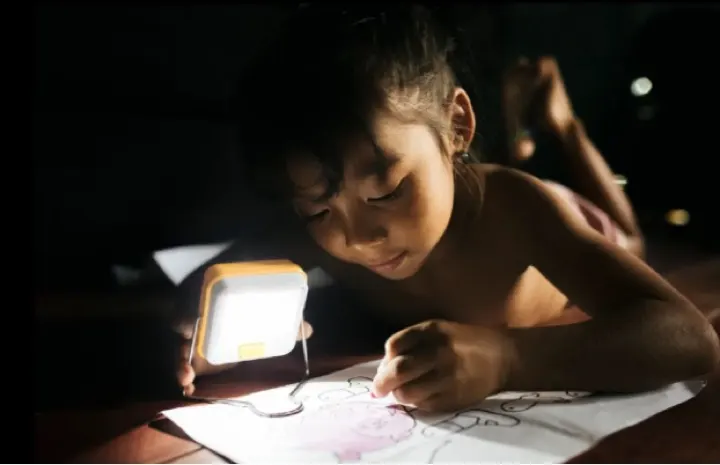 A Fund that Lights Up Lives — Fundación Triodos (crowdfunding platform) · 2023
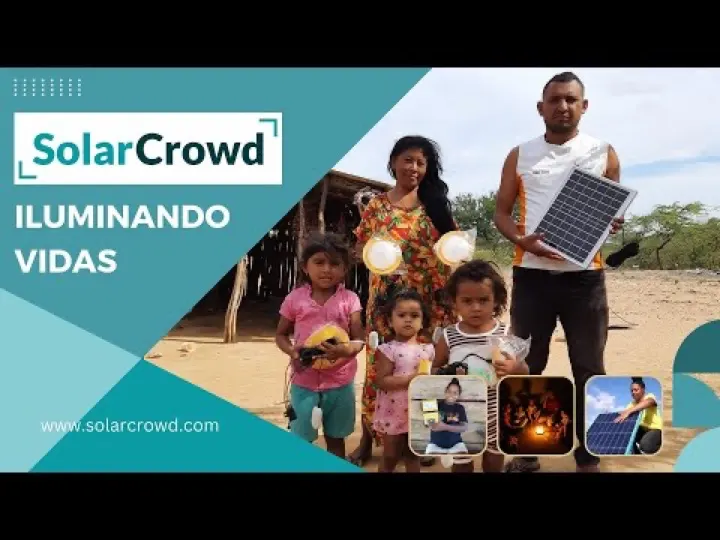 Everything you need to know about Solar Crowd — YouTube (Solar Crowd channel) · 03/08/2023
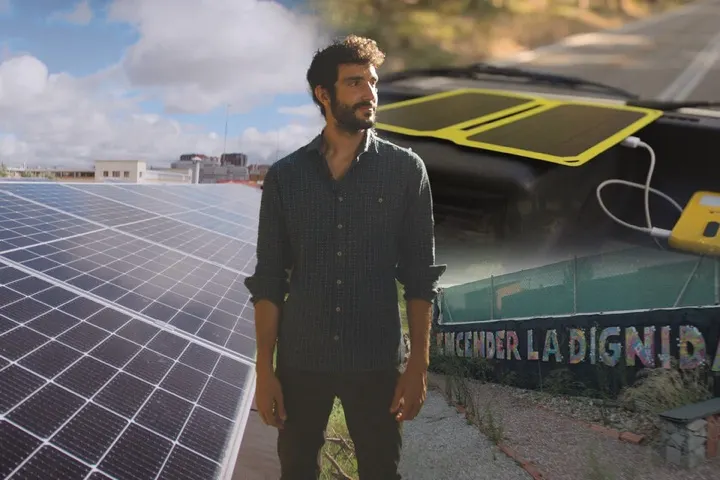 Light Humanity's solar revolution: panels and renewable energy against energy poverty — Xataka · 10/11/2023
 Soluz Honduras and Solar Crowd — YouTube (Solar Crowd channel) · 28/12/2023
 “When I discovered the potential of solar energy I decided to become an energy activist” (interview) — Energías Renovables · 27/05/2024
 Solar Crowd Solar Energy Investment Platform — Solar Crowd (official website)