School Outreach
School talks on renewable energy and mobility
A solar bicycle and two energy labs brought renewables into schools
In 2018, Eugenio García-Calderón Huerta returned to his old school, Corpus Christi in Madrid, to present Solar Pedalling, the tour of Spain by solar bicycle against the sun tax. Light Humanity went on to design solar energy labs for schoolchildren and worked with the Hipatia FUHEM school in Rivas-Vaciamadrid on its support for the Cañada Real.
- What it is: talks and labs to help students understand solar energy, self-consumption and sustainable mobility.
- How it began: in 2018, with a talk on Solar Pedalling at Colegio Corpus Christi, with the solar bicycle on stage.
- The labs: one for primary students, who take a solar lamp apart, and one for secondary students, who assemble a photovoltaic installation from reused equipment.
- With whom: Colegio Corpus Christi (Madrid) and the Hipatia FUHEM school (Rivas-Vaciamadrid), which also worked with Ecooo and its town council.
- Outcome: four year groups at Corpus Christi learned about Solar Pedalling, Light Humanity designed two solar energy labs, and it collaborated on the Hipatia project published by El Diario de la Educación and Fundación SM.
- What's next: Light Humanity proposed that schools produce their own energy, and Hipatia's new challenge was to create an energy community.
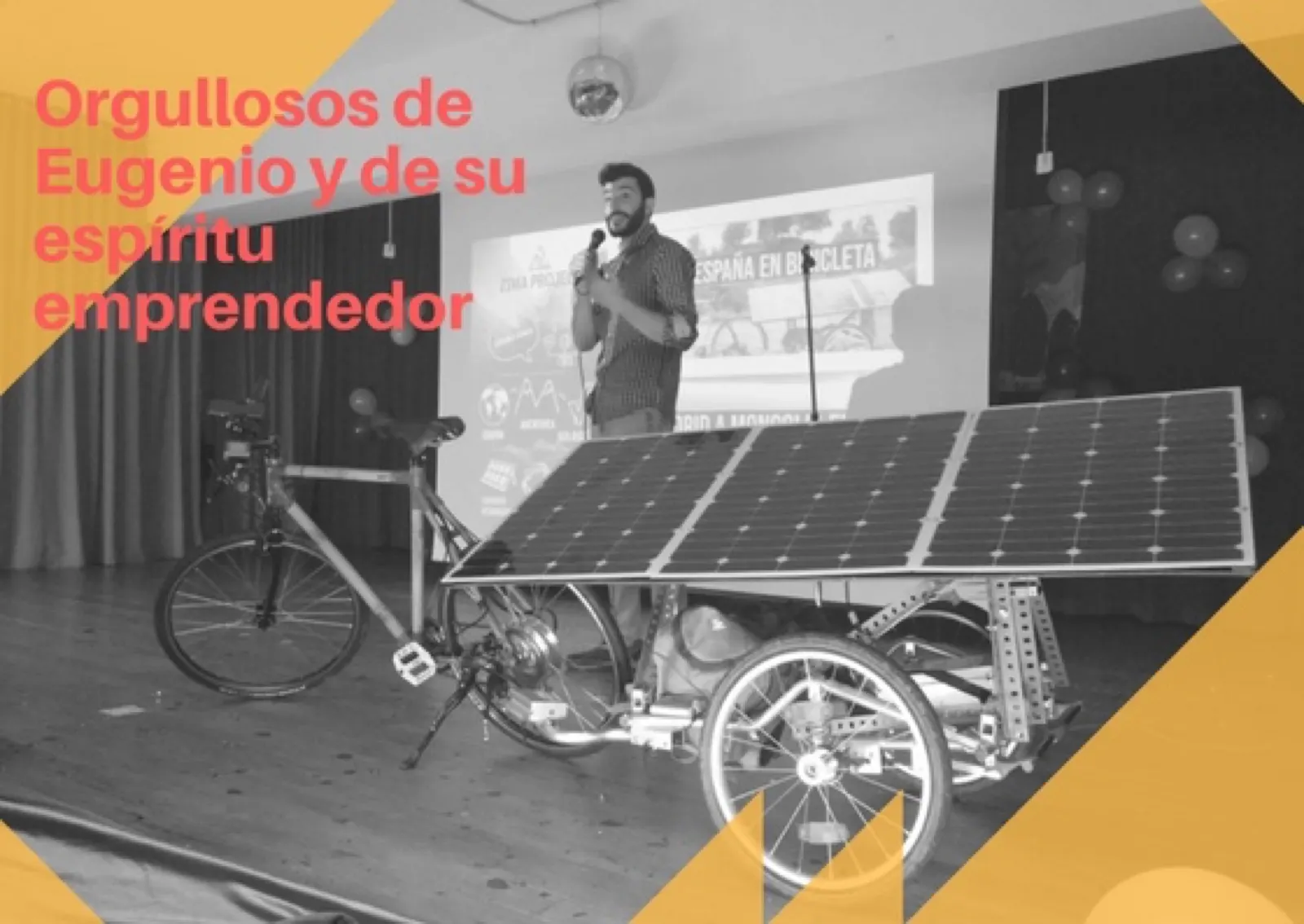
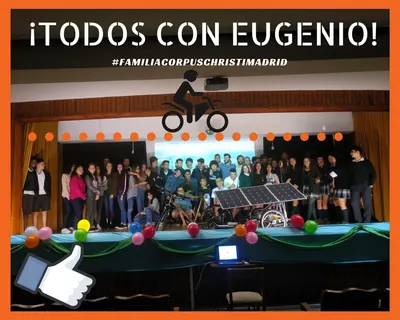
A talk with a solar bicycle in the assembly hall of Colegio Corpus Christi
Eugenio García-Calderón Huerta attended Colegio Corpus Christi, in Arturo Soria (Madrid), from the age of three until finishing his Bachillerato in 2012. In 2018 he returned, as the school blog reported, to present the project he had prepared with other young people from Zima Project, the NGO that preceded Light Humanity.
- The audience: students in years 3 and 4 of ESO (lower secondary) and years 1 and 2 of Bachillerato (upper secondary), in the assembly hall.
- On stage: the solar bicycle, with its bamboo frame (El Periódico de la Energía) and a trailer of photovoltaic panels.
- The message: to awaken critical awareness, drive self-consumption and the energy transition, and promote sustainable mobility.
- The speaker: a mechanical engineer from the Universidad Politécnica de Madrid, with a master's degree in Energy Engineering specialising in renewables.
The challenge the students heard about: 3,250 km and 25 cities by solar bicycle
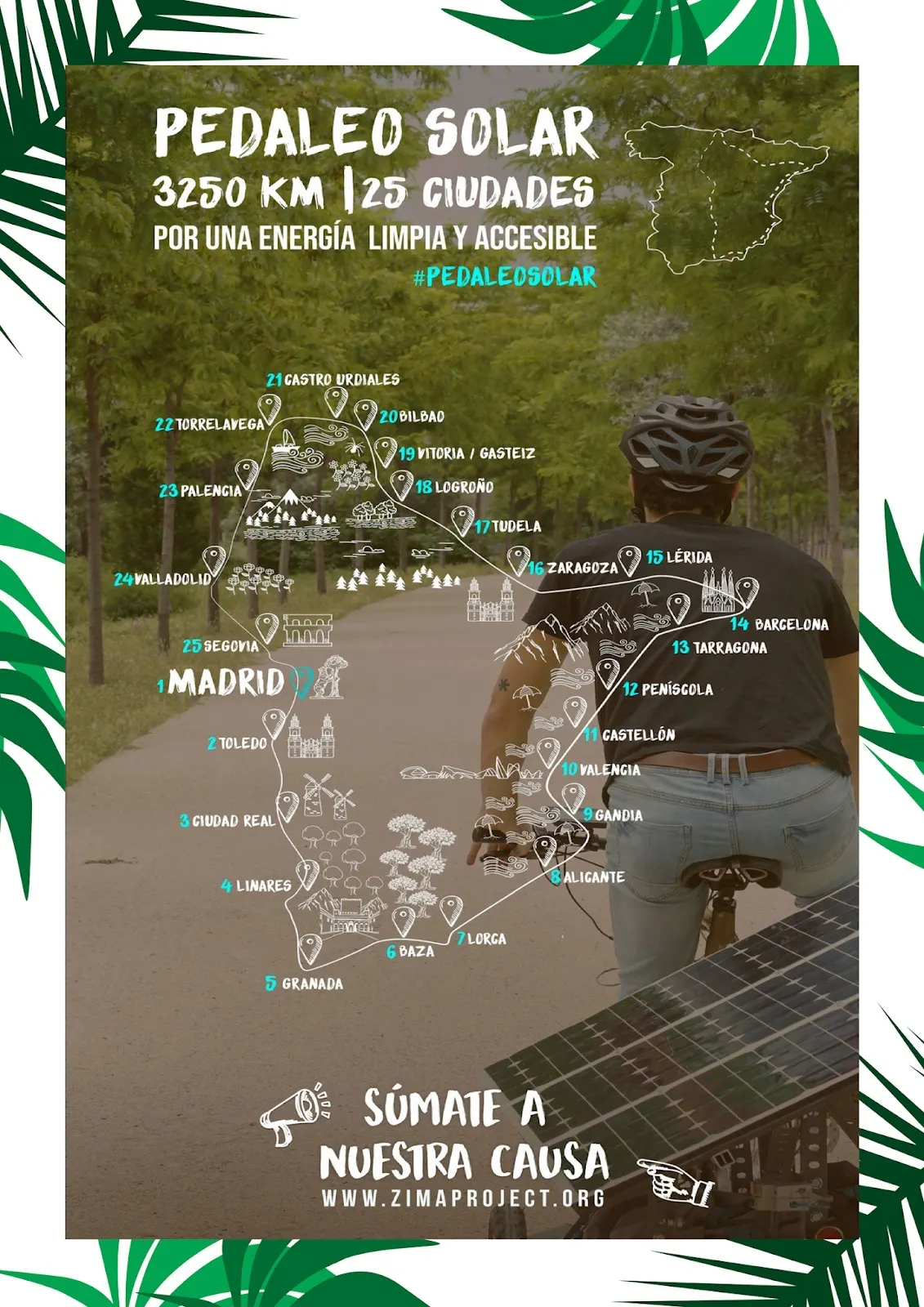
The students heard about a challenge: to travel around Spain for three months on a bicycle powered by its solar panels, designed by Eugenio and his colleagues. The full journey is told in Solar Pedalling.
- The planned route: 3,250 kilometres and 25 cities, setting off from Madrid on 3 June 2018 with a first stage to Toledo.
- The plan, two days per stage: one to arrive and another to set up an information stand beside the bicycle and invite the local press.
- A petition: on Change.org, to remove the obstacles to self-consumption; by the end of June it had 1,775 signatures, according to the school blog.
- How it ended: in September 2018, the tour finished in Madrid after 3,890 km and 25 cities (Energías Renovables).
Solar energy labs for primary and secondary students
In 2021, Light Humanity offered schools energy labs. Each session lasted one or two hours, was led by a teacher with one or two support staff, and opened with an introduction to solar energy.
Primary: take a solar lamp apart and form another with your bodies
- To begin: solar energy and Light Humanity's work in the Amazon, Light of the Amazon.
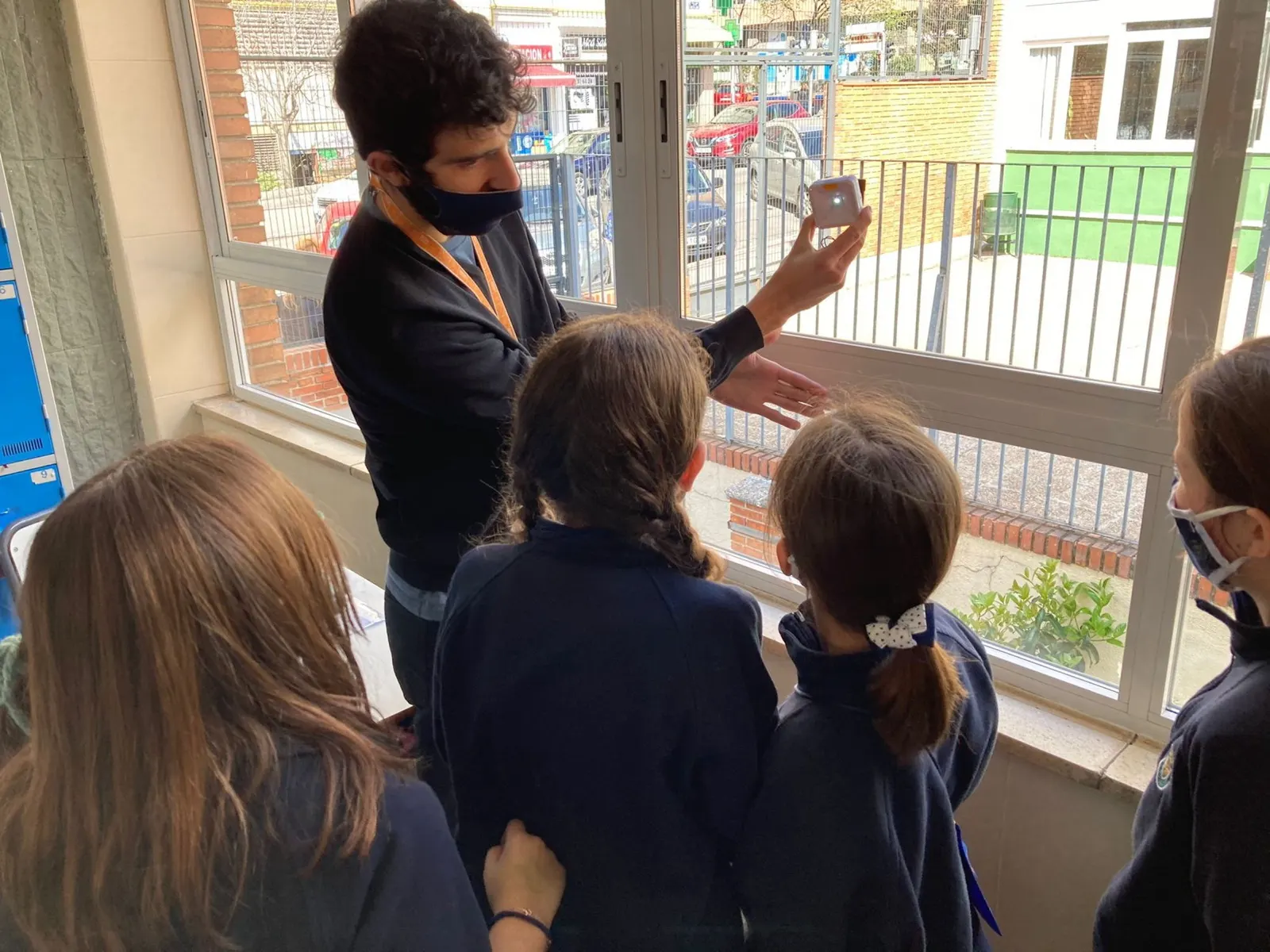
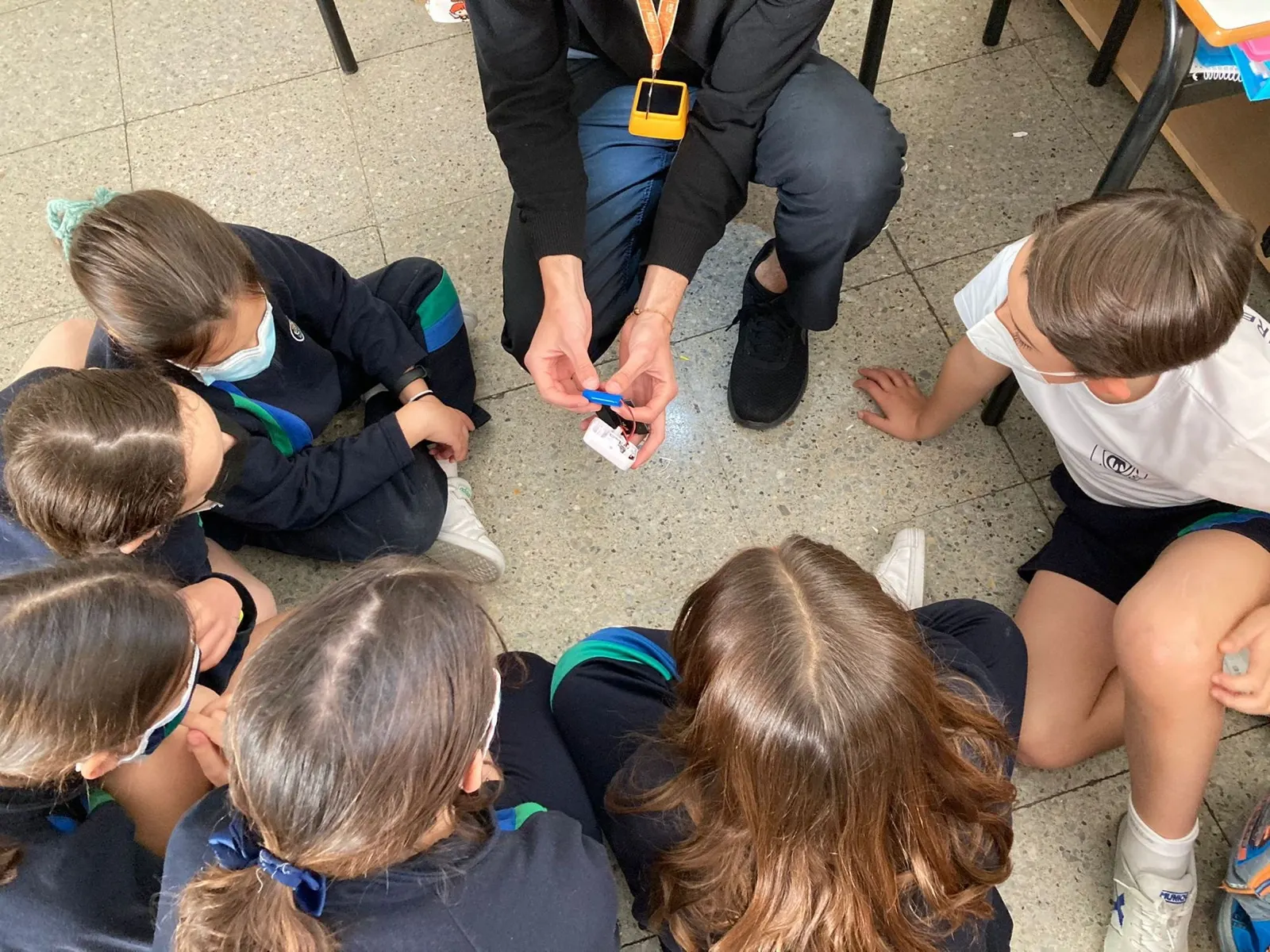
- Exercise 1: take apart and reassemble a solar lamp, the Solar Cube from the NGO's solar shop, to understand how it works.
- Exercise 2: a piece of theatre in which the class forms a large solar lamp with their own bodies.
- To take home: the class kept a lamp, according to the primary lab information sheet.
Secondary: energy, power and an installation made from reused equipment
- Two aims: to distinguish between energy and power and to use energy more responsibly.
- To begin: Light Humanity's work in Madrid's Cañada Real, Cañada Solar.
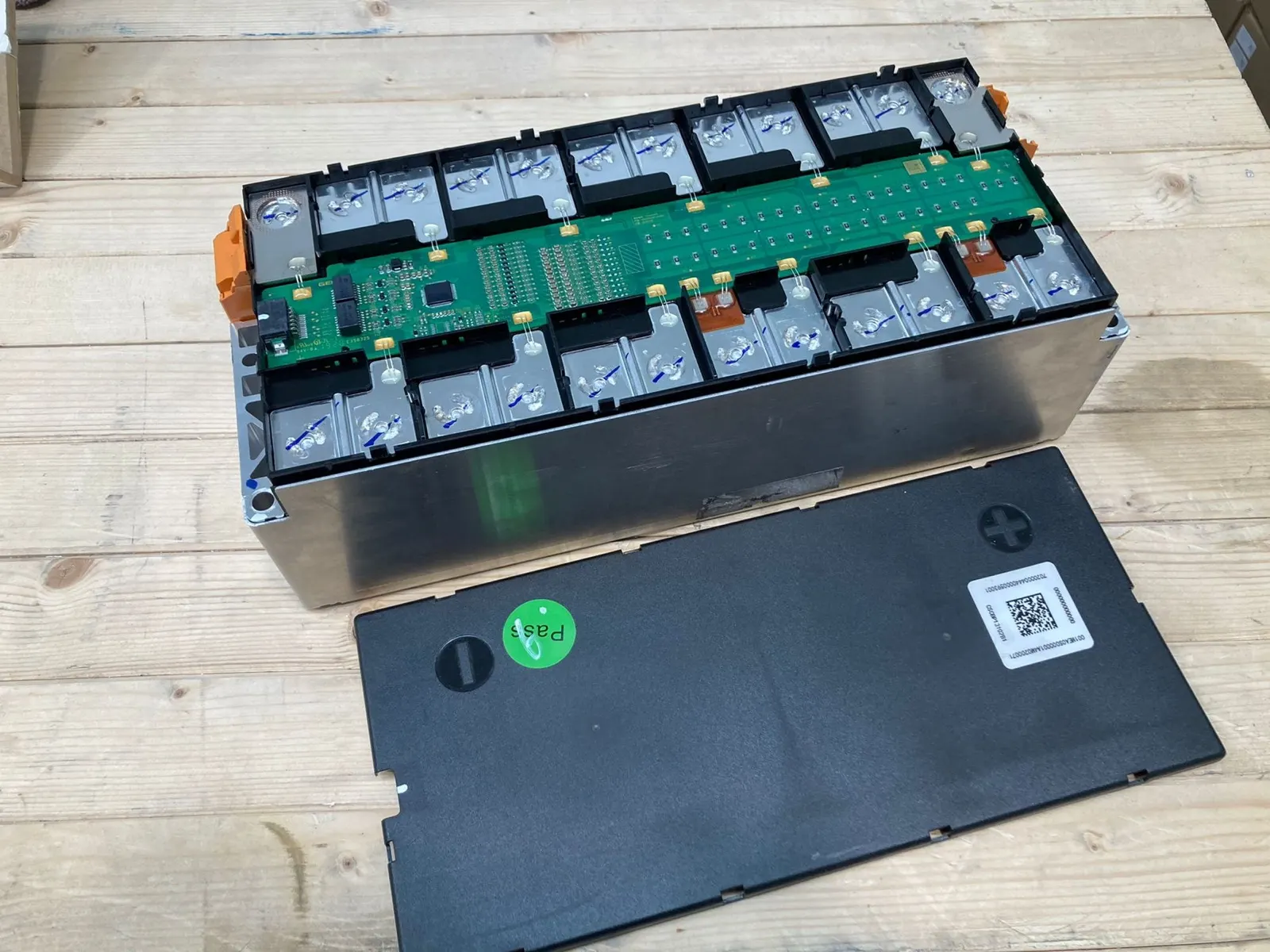
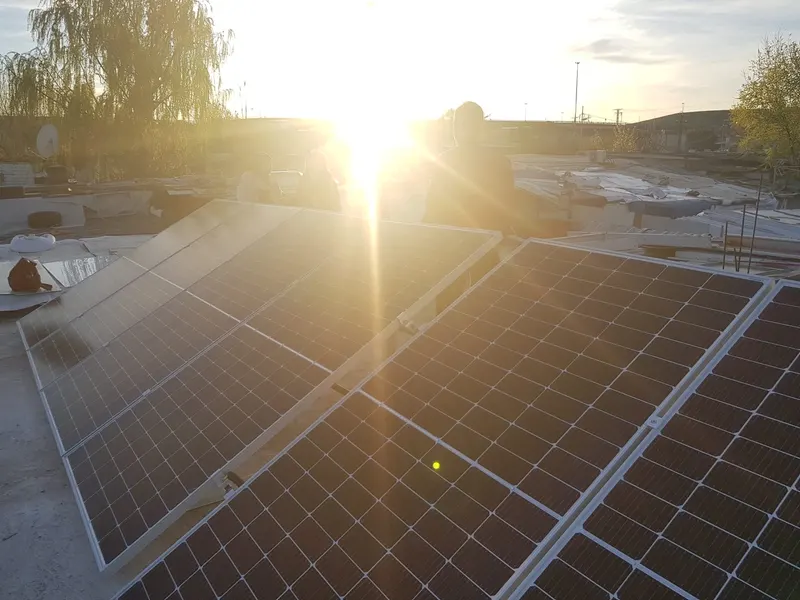
- The workshop: assembling a small photovoltaic installation with reused batteries, inverter, panels and controller, like those used in the Cañada (secondary lab information sheet).
Projects in schools: Light Humanity's proposal for schools to produce their own energy
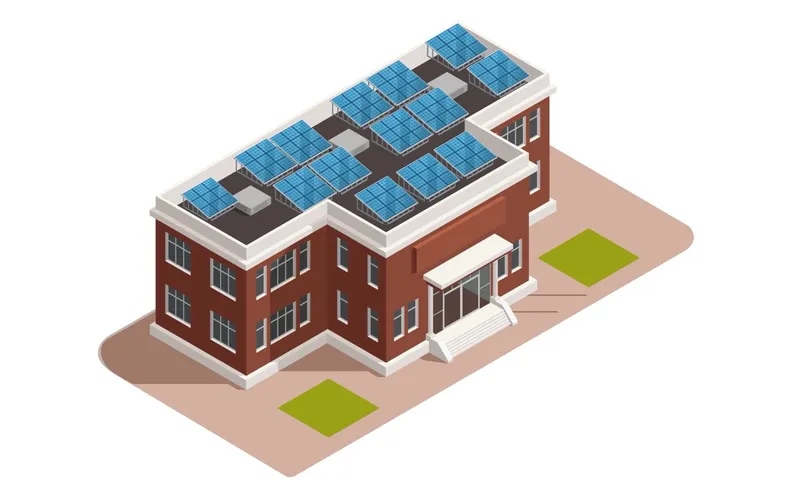
In 2022, Light Humanity's Projects in schools page invited schools to put photovoltaic panels on their roofs, produce their own energy and form an energy community. It proposed three commitments.
- Energy: to meet all demand with their own photovoltaic and thermal energy, with efficient heating and charging points for electric vehicles.
- Education: solar energy workshops and labs on climate change, energy poverty and social entrepreneurship.
- Social: for the energy generated to help act as a guarantee for low-income families in the Cañada Real so that they could install a basic solar system and pay for it month by month.
Among its projects, the page mentioned “Light in Hipatia”, in Rivas-Vaciamadrid. Another page, on self-consumption in schools, announced solar energy labs and courses for students there.
Hipatia FUHEM: solar panels at school and support for the Cañada Real
Hipatia is a state-funded, secular FUHEM school in Rivas-Vaciamadrid, with some 1,800 students and an ecosocial identity. Very close by is the Cañada Real, home to some of the school's families and where 4,000 people had been without electricity since 2 October 2020, according to the school itself in a Fundación SM publication.
A charity run for the Cañada Real (2020-2021 school year)
- A virtual race: the school's IV Charity Run was held online and devoted the money raised to the Cañada families' lack of electricity.
- Through Light Humanity: the money went to Cañada Solar, the project through which the NGO installed solar panels on homes in the Cañada (VI run dossier).
“We turn off the lights, we light up life” (2021-2022 school year)
- What it was: a whole-school service-learning project, across almost all year groups, with Light Humanity, Ecooo and Rivas Town Council as partner organisations (El Diario de la Educación).
- In the building: solar panels, LED lighting, a real-time meter of the energy produced and electricity supplied by a non-profit cooperative (Fundación SM).
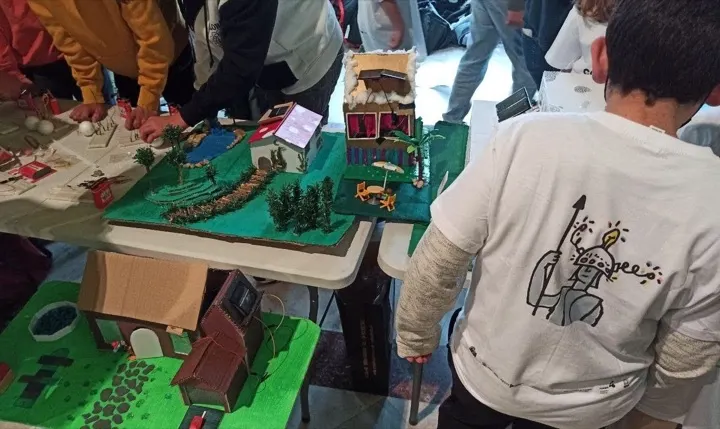
- In the classroom: compost in Infant classes, a bike bus and visits to the Cañada Real in Primary, and the ConCienciArte fair in Secondary.
“All of this was possible thanks to coordination with organisations such as ECOOO and Light Humanity” — Colegio Hipatia, in FUHEM's 2022 Annual Report, on the school's solar panels and energy training

What the school outreach left behind: a published experience and the challenge of an energy community
Hipatia's experience travelled beyond the school. Its head of primary studies, Virginia Pulido, wrote about it in May 2022 in El Diario de la Educación, and Fundación SM published it as an “applied case” in its series “New curriculum, new educational challenges”.
- Hipatia's next challenge: to create an energy community with the school's own solar production, a step left “for another school year” (El Diario de la Educación).
- A model for other schools: its authors see in the project many elements that other schools can reproduce.
- Another of the lab's projects with schools: Villalbilla Community, a municipal energy community on the roofs of two state schools.
In the media
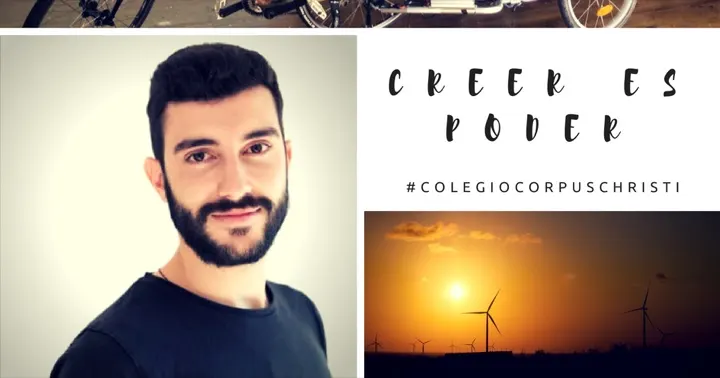 #PedaleoSolar, the extraordinary social initiative of our former student Eugenio García-Calderón — Colegio Corpus Christi Blog · 28/06/2018
 We turn off the lights, we light up life — El Diario de la Educación · 09/05/2022
 Applied cases: We turn off the lights, we light up life — Fundación SM · 02/2024
 Projects in schools — Light Humanity (archived website)
 Energy labs — Light Humanity (archived website)