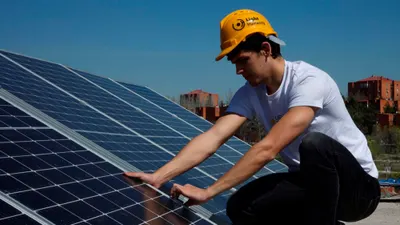
Cañada Solar
Energy access project for an entire Madrid neighbourhood that was cut off from the electricity grid, leaving 6,000 people without power
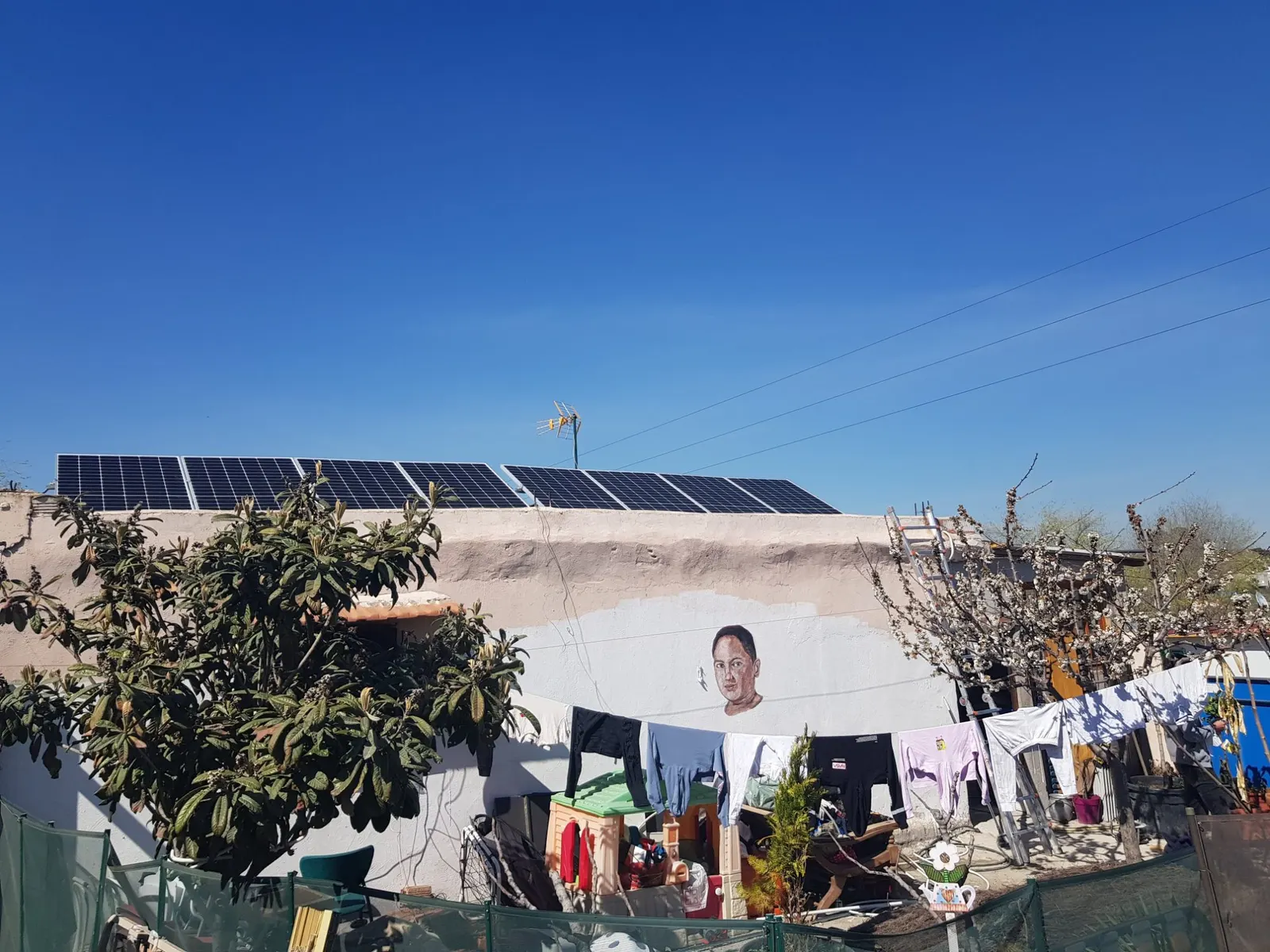
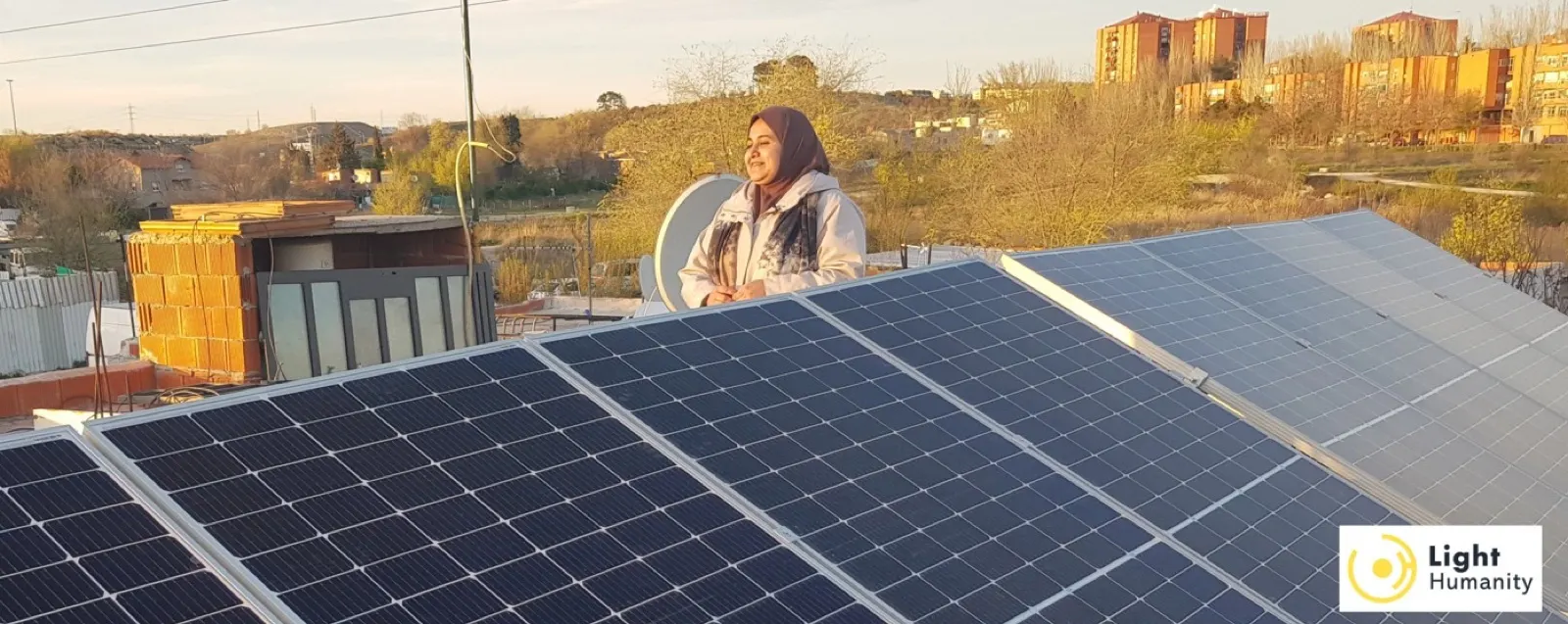
Cañada Solar brought solar energy to some 100 families left without power in Cañada Real
When sectors 5 and 6 of Cañada Real Galiana (Madrid) lost their power supply in October 2020, Light Humanity responded with Cañada Solar: panels with reused electric car batteries, paid for in instalments with the savings on petrol, and residents trained as installers.
- What it is: solar energy for the families of the Cañada Real who were left without electricity; it was also known as “Light of the Cañada Real”.
- Where: in the Cañada Real Galiana (Madrid), above all in sector 6 and also in sector 5.
- When: from late 2020, for about three years; the first installation was in March 2021.
- How: low-cost solar kits, month-by-month financing and residents trained as installers.
- Partners: Ecooo, Haz Solar, Youth Wake Up!, United Way España, Enertis Applus+ and the lenders of Solar Crowd.
- Result: around 100 families with solar power; all the lenders got their money back.

October 2020: thousands of Cañada Real residents are left without electricity
- The outage: from October 2020, sectors 5 and 6 suffered power cuts affecting some 4,000 residents, half of them children, according to EFE.
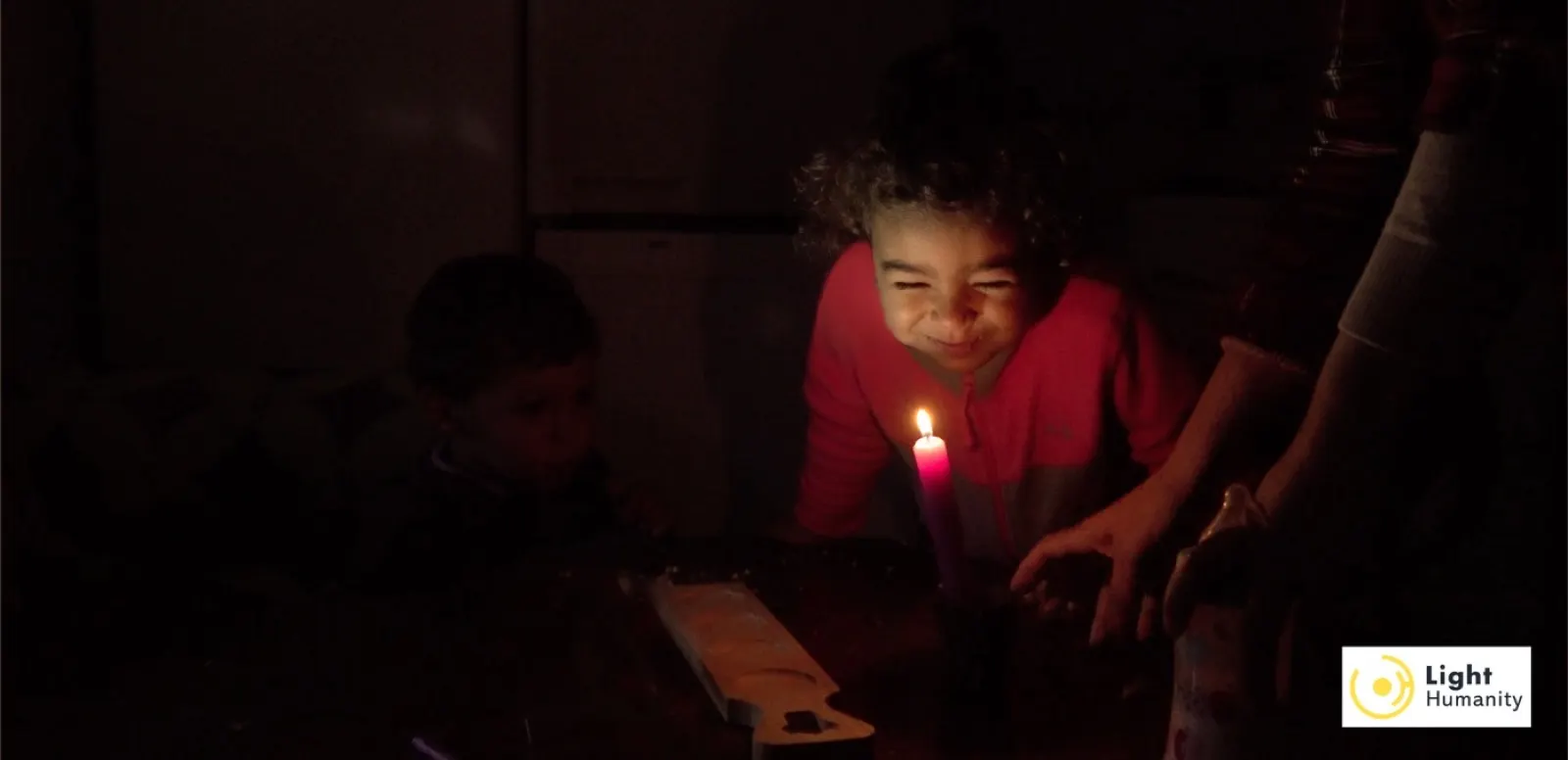
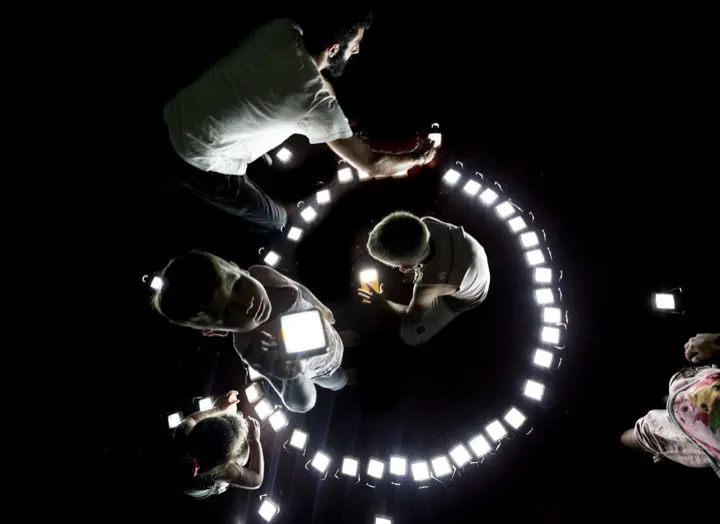
- In the dark: candles and charcoal (Goteo) or small petrol generators, costly and providing light for only a few hours a day (Europa Press).
- Risks: candles caused several house fires, and there were asthmatic children who needed an electric respirator to sleep (Goteo).
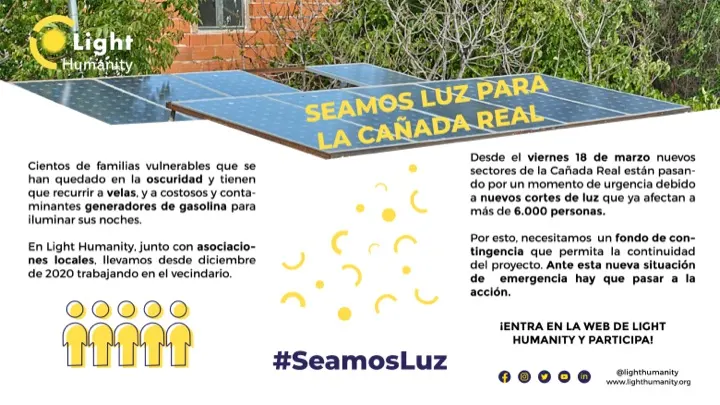
It was “energy poverty in its rawest form”, that of not even having access to the grid, as Xataka called it, and it coincided with the pandemic and with Storm Filomena (EFE). In March 2022 the outage also reached sectors 4, 3 and part of 2 (El Salto), and the NGO was by then estimating more than 6,000 people without electricity (Goteo).
From the Amazon to the Cañada Real: how Cañada Solar began
“The Cañada Real was fifteen minutes from my house. And there I was going off to the Amazon, thousands of kilometres away, to bring solar energy, when right next to my home there was a community of thousands of people who had suddenly been left without electricity” — Eugenio García-Calderón Huerta, founder of Light Humanity (Xataka, 2023)
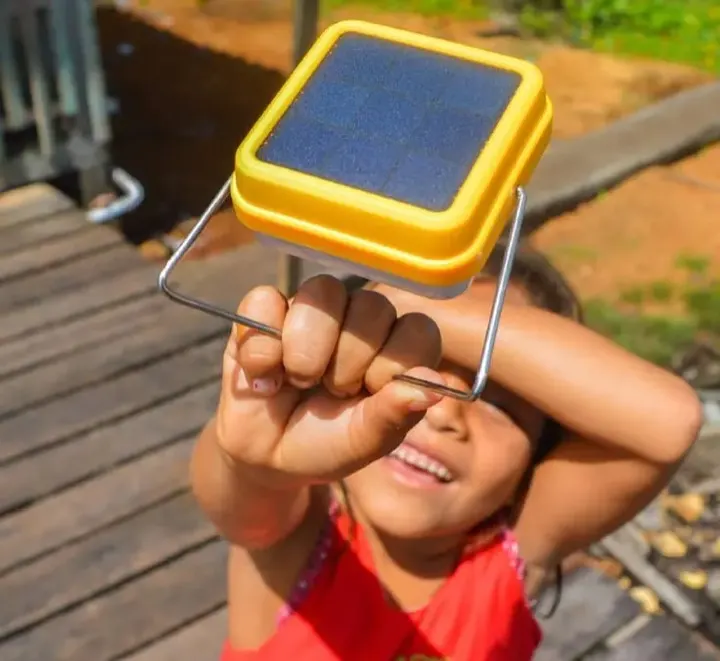
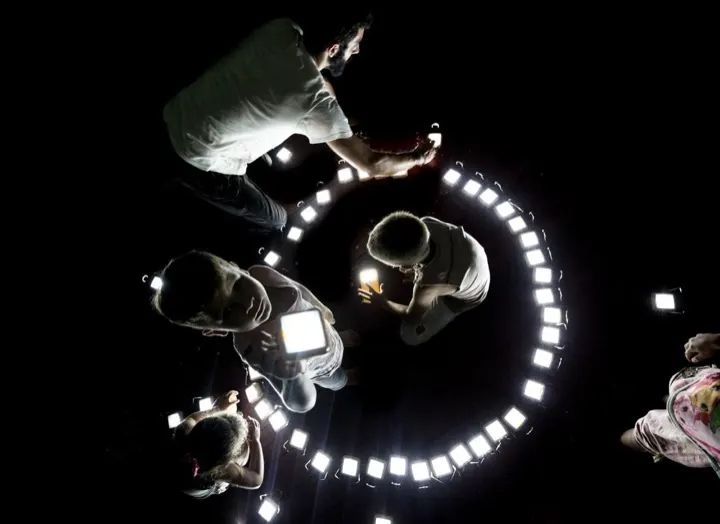
- The precedent: since 2018, the NGO had distributed more than 3,000 solar lamps in the Amazon rainforest, according to EFE: this is Light of the Amazon.
- Late 2020: Light Humanity begins looking for solutions with the residents (NGO website); Público dates the start to December.
In January 2021, after the Filomena snowfall, García-Calderón was already calling in The New York Times for “a sustainable model, something that makes people self-sufficient instead of dependent on outside aid”.
March 2021: Rahma Hitach and her children, the first family with solar power
The pilot began at the home of Rahma Hitach and her three children. Until then they had relied on precarious car batteries, and the children did their homework with a miner's headlamp (infoLibre).
“It's a complete change, we're going to have more peace” — Rahma Hitach, a resident of the Cañada Real (infoLibre, 2021)
- With partners: the pilot was coordinated with Ecooo, Haz Solar and Youth Wake Up!, and in the following days it would reach seven more families in sector 5 (EFE).
- Demand: more than 60 families asked to join the pilot (EFE).
- A pioneer: “Rahma was the first brave one to bet on solar power”, García-Calderón told United Way Spain.

A solar kit with reused electric car batteries, 70% cheaper according to the NGO
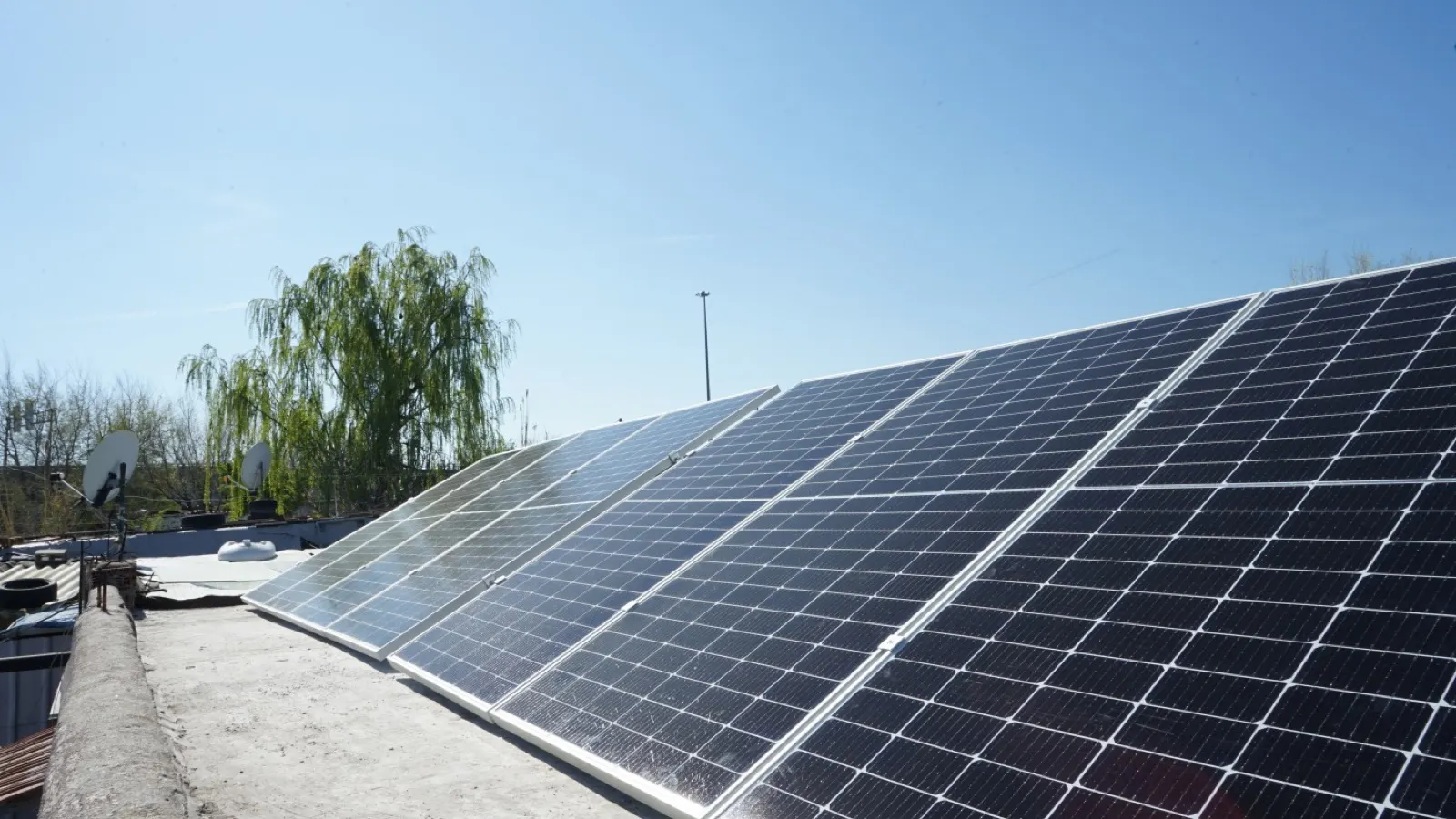
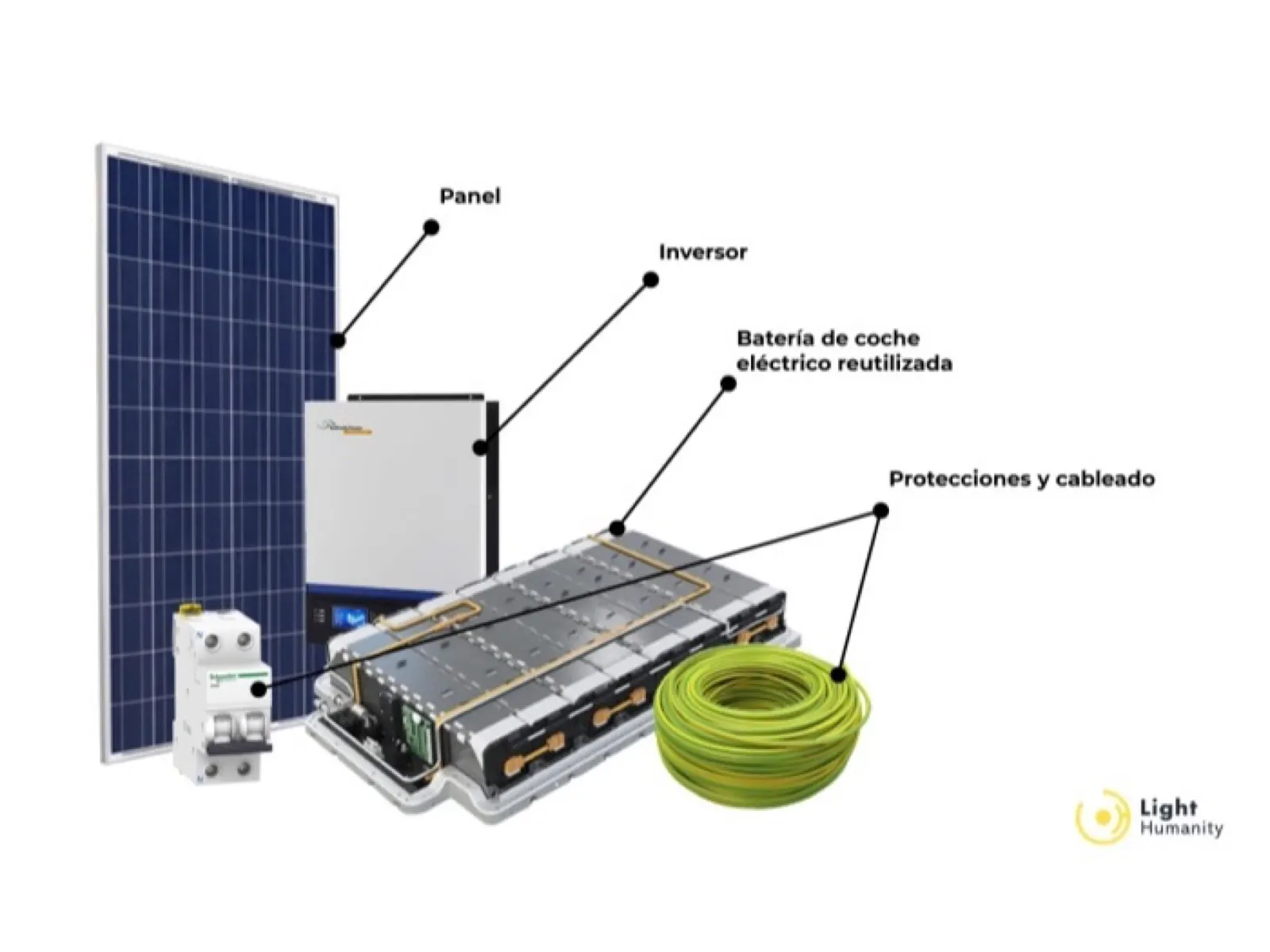
Light Humanity designed a range of kits “starting with the most basic needs” (NGO website). It reused panels from old photovoltaic plants and lithium batteries from electric cars, which made the materials 70% cheaper, according to the NGO (Goteo, 2021 video; also reported by Público).
- What's in it: panels, inverter, reused electric car battery, protection devices and wiring.
- What it powers: lights, fridge, computer and television; the washing machine, during sunlight hours (Europa Press).
- What it costs: around €2,000 in materials in 2021 (Goteo); €3,000 to €6,000 per kit in 2022 (Europa Press).
Solar loans and monthly instalments: how families paid for their panels
Many families could not pay for the kit all at once: the NGO financed it and they repaid it month by month with what they no longer spent on generators, which provided one or two hours of light a day (economiasolidaria.org, Energías Renovables).
- Instalments: €10 to €50 a month in the pilot (EFE); later, over three years and from €50 (Goteo, 2021) and from €60 (Europa Press, 2022).
- Community loans: over two or three years at 0%, 2% or 4%, through Solar Crowd (Energías Renovables).
- Phase 2 (autumn 2021): five-year loans at 4%, each for ten families and with a 50% guarantee backed by members, donors and the solidarity solar shop.
- Outcome: a safety fund built from donations covered any delays: “Today all the lenders have got their money back”, García-Calderón said in 2024 (Energías Renovables).
Two Goteo campaigns to fund more solar kits
- “Only the People Save the People” (2021): €11,300 from 160 co-funders on Goteo; the NGO estimated that every €2,050 would cover one family's system.
- #SeamosLuz (2022): €17,606 from 119 co-funders with Solar Crowd on Goteo, to train installers and act as guarantor for more families.
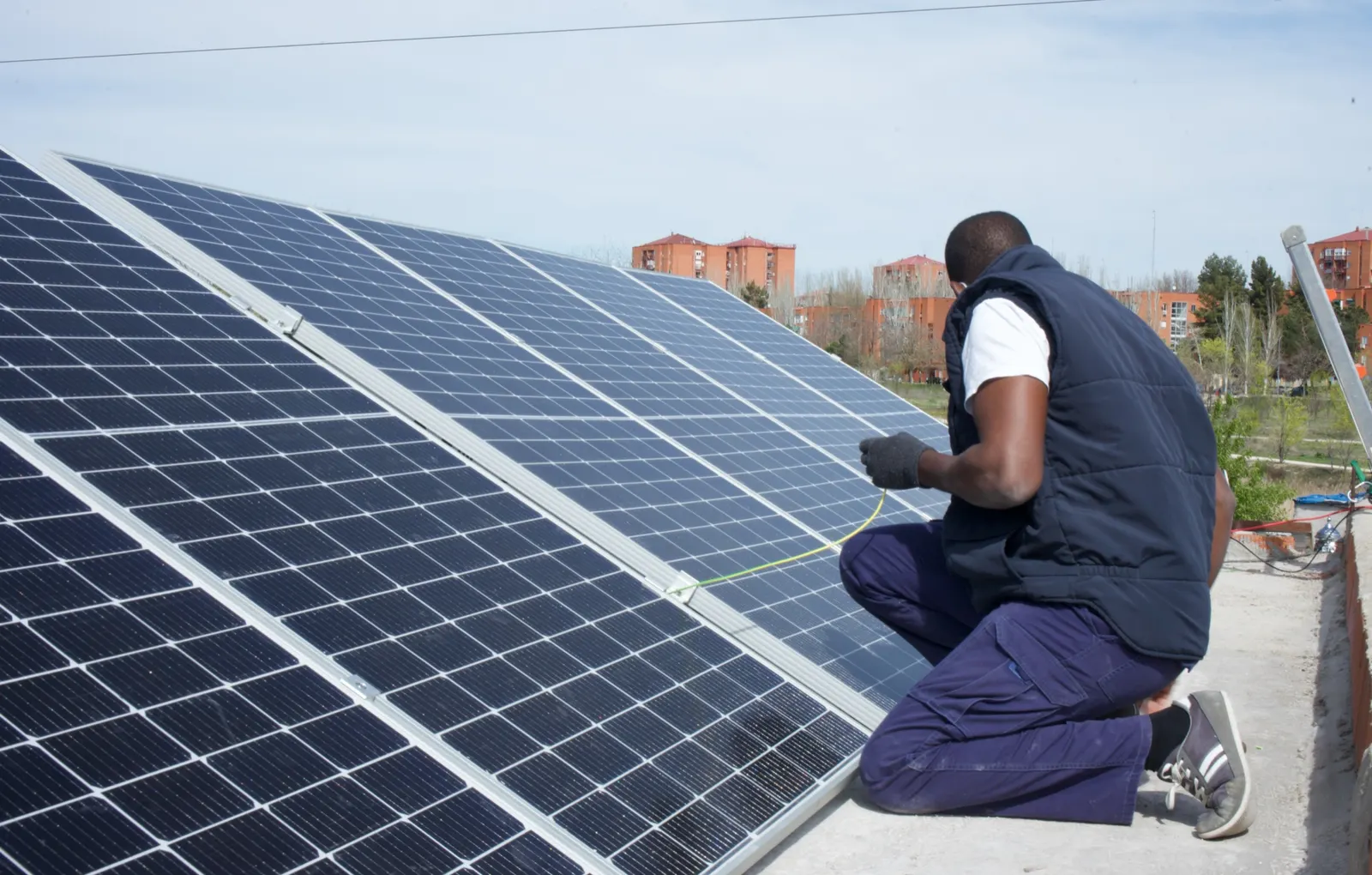
Cañada Real residents trained as photovoltaic installers
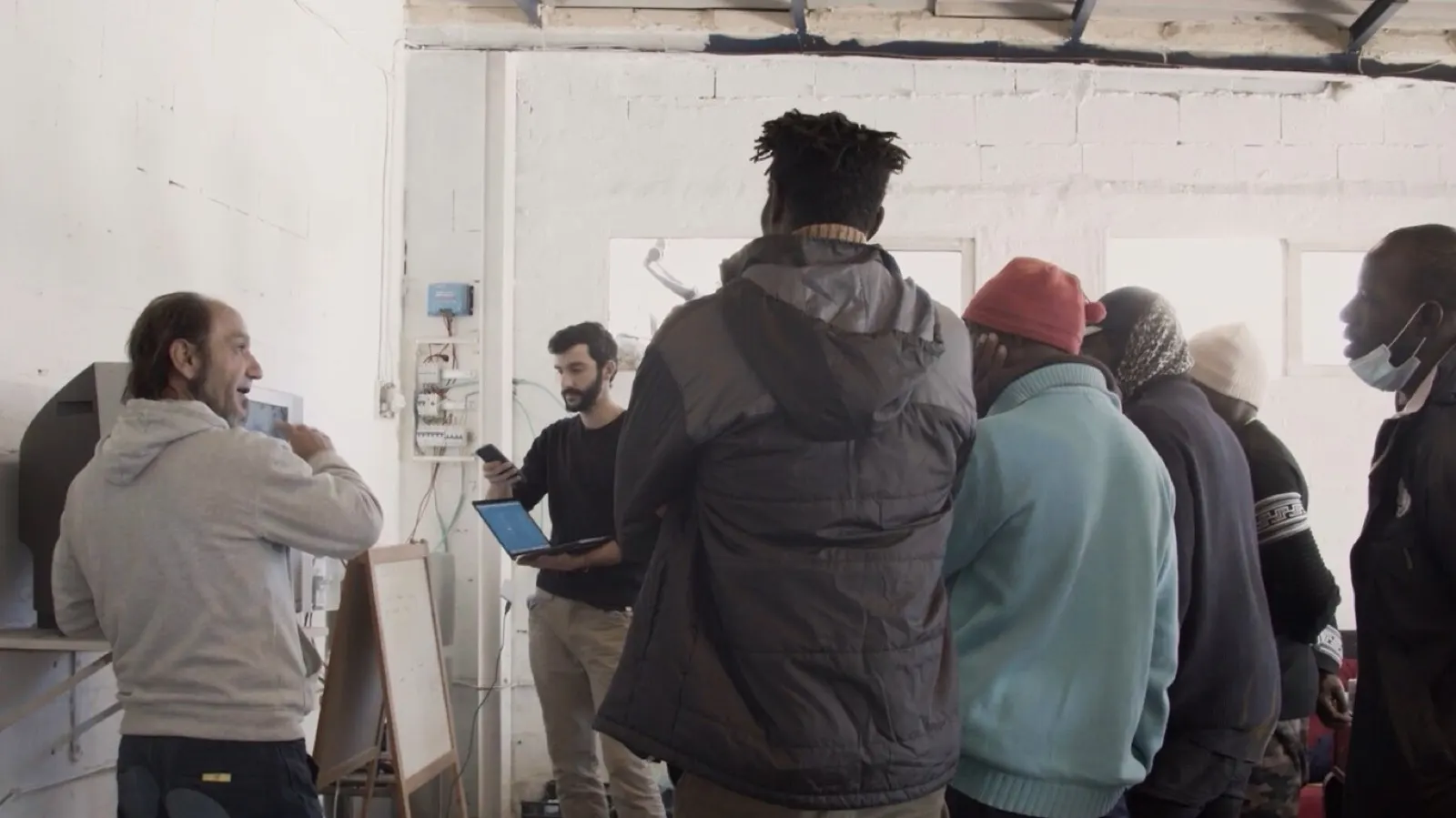
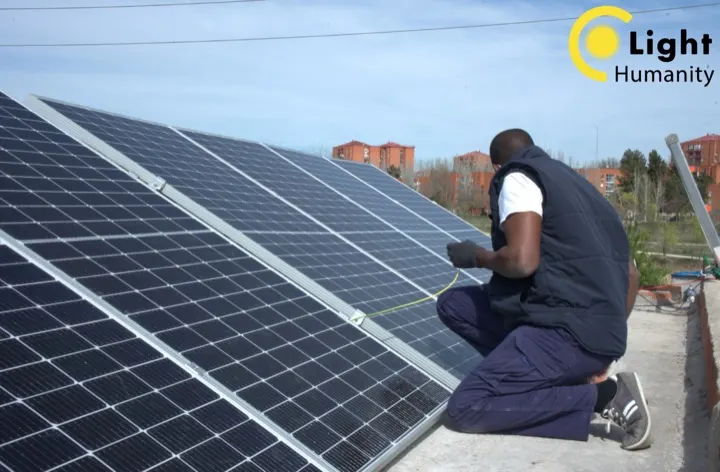
At first outside companies did the installing, but cost and logistics led the NGO to change course: “We decided to set up a local installation team with residents we have trained”, García-Calderón told Xataka.
“It would be useful for the future, it's clean energy. On a personal level it has completely changed me, because I've entered a world I knew nothing about” — one of the residents trained as installers (Xataka, 2023)
- Two installers from the neighbourhood: one from sector 5 and another from sector 6, according to El Salto; more in Solar Installer Courses.
- In the classroom: the Hipatia school (FUHEM), in Rivas-Vaciamadrid, wanted solar installation workshops in vocational training with the NGO (El Salto); more in School Outreach.
From 14 families in 2021 to about 100 in 2024: the results of Cañada Solar
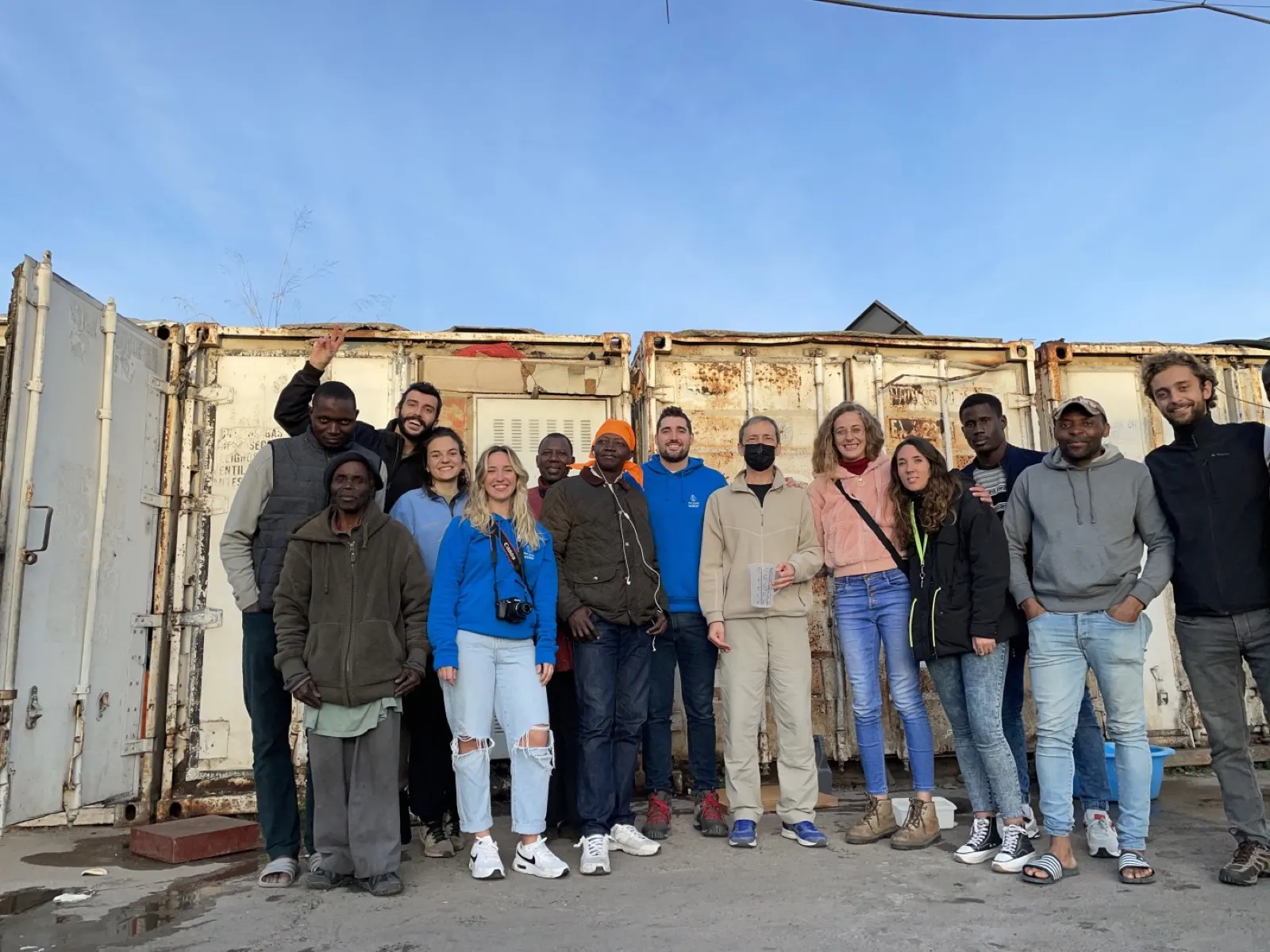
- November 2021: 14 families in sector 6 with solar power and €12,000 in donations (Público).
- Late 2021: the “The Other Lottery” raffle, by United Way Spain and Impact Hub, raises more than €7,000 to bring down the cost of panels for 20 households. In February 2022, United Way announces its support so that 26 families in sector 6 can have solar energy, and advances the down payment on the kit, about €300 (Europa Press).
- April 2022: 37 photovoltaic systems and about 260 people with power (Goteo).
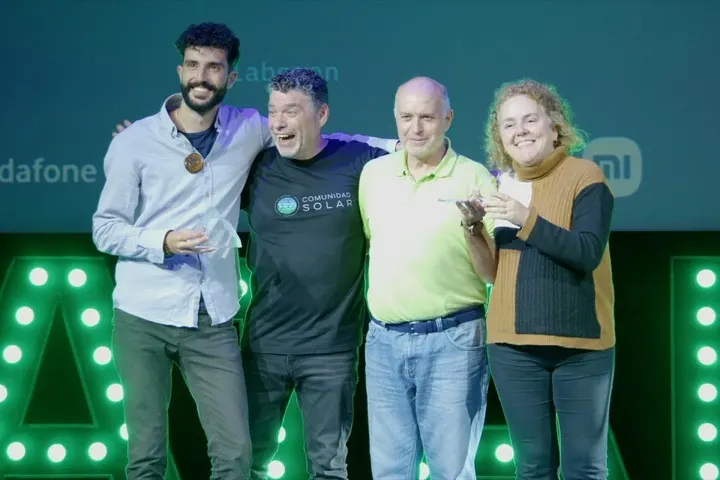
- 2023: Xataka reports 400 people who no longer live in the dark and awards the NGO the HONOR Seal.
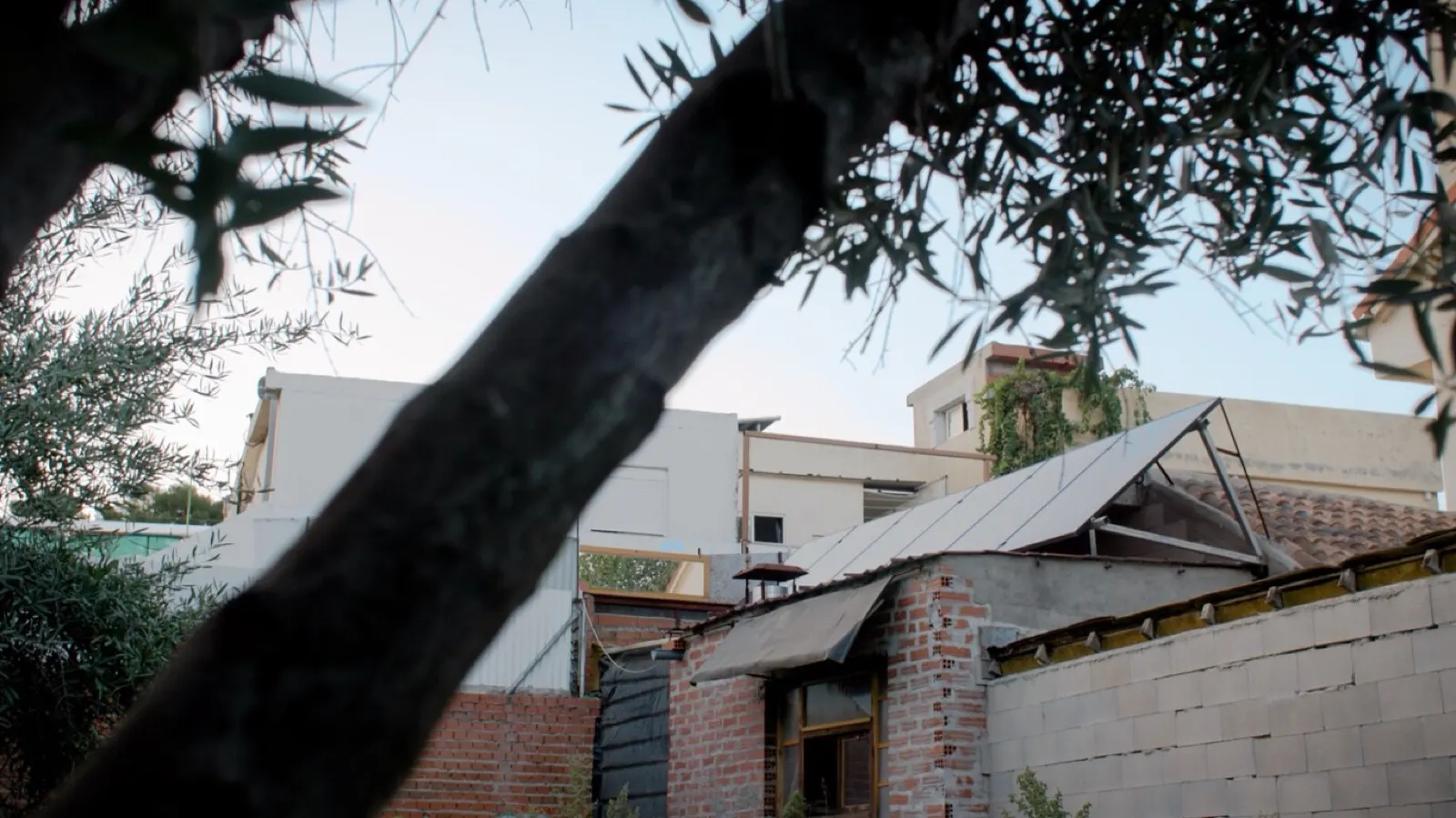
- 2024: about 100 families, about 250 kW of panels and 560-580 kWh of batteries (Energías Renovables).
Miguel Martín, one of the recipients of Light Humanity's panels interviewed by Xataka, was able to give up his old generators: “I'm very happy, I have six panels, which is the minimum for a house”.
After Cañada Solar: maintenance, the 2025 blackout and new solar projects
After about three years of the project, by 2024 the team was handling maintenance, and García-Calderón described the Cañada as “a neighbourhood that runs mainly on solar energy” (Energías Renovables).
- 2025 blackout: the Cañada was still off the grid: “we're still in the dark, with candles, with batteries”, said Houda Akrikez, president of the Tabadol women's association in sector 6. Even so, during the nationwide blackout in April a neighbour told her wryly that they were “practically the only ones with electricity, thanks to the solar panels” (Europa Press).
- The idea still pending: in 2022, Light Humanity and the sector 5 residents' association saw potential for energy communities: one in sector 5, the only one with an integrated electrical installation, and micro-communities of eight or ten neighbours in the rest (El Salto).
What grew out of Cañada Solar: shelters and remote self-consumption
- What came next: once they had their money back, the lenders were encouraged, and the NGO financed solar energy for shelters in Sagunto, Madrid and Toledo (Energías Renovables).
- Remote self-consumption: in Toledo, where the heritage authorities would not allow panels, the idea for the remote self-consumption model of Comunidad Solar was born (Energías Renovables).
In the media
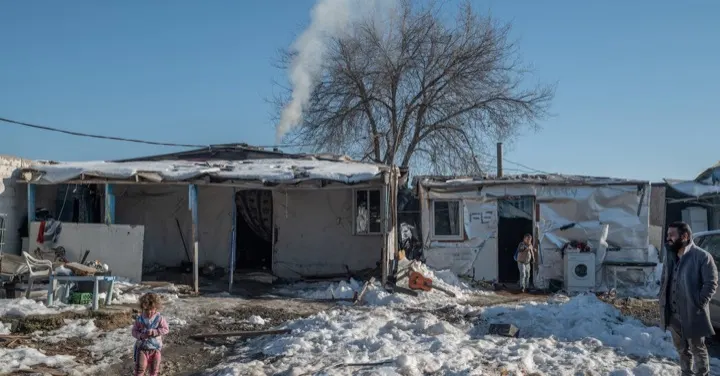 Heavy snowfall deepens the misery of a poor Madrid neighbourhood — The New York Times · 28/01/2021
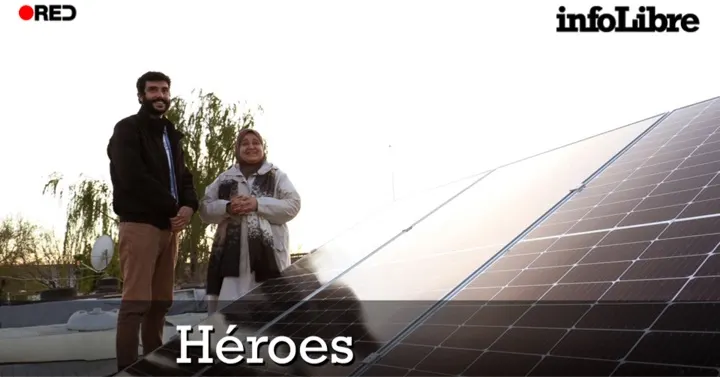 Solar panels to light up lives in the Cañada Real: “It's a complete change” — infoLibre · 24/03/2021
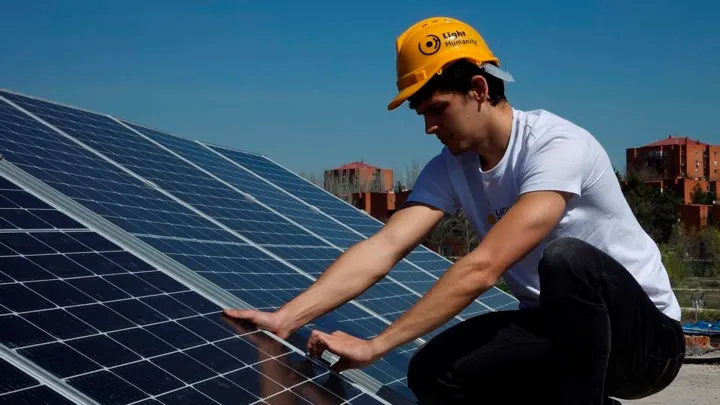 Solar panels light up the Cañada Real after six months without electricity — elDiario.es (EFE) · 02/04/2021
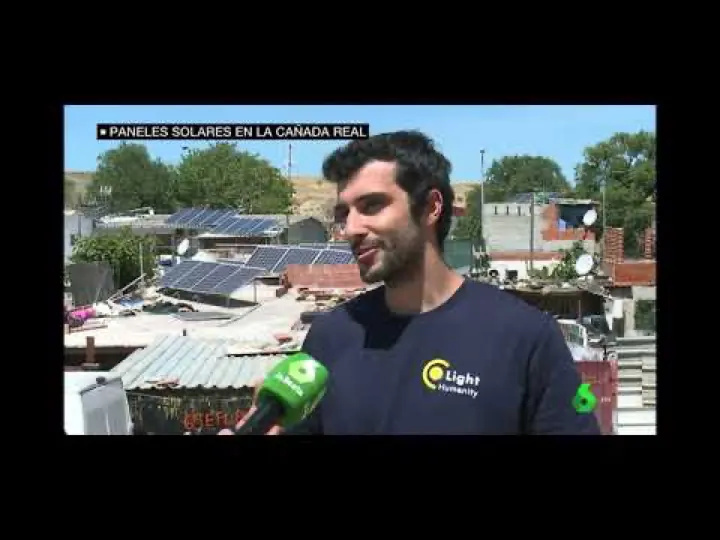 La Sexta News: Cañada Real solar panels, Light Humanity — laSexta Noticias (Light Humanity channel) · 12/08/2021
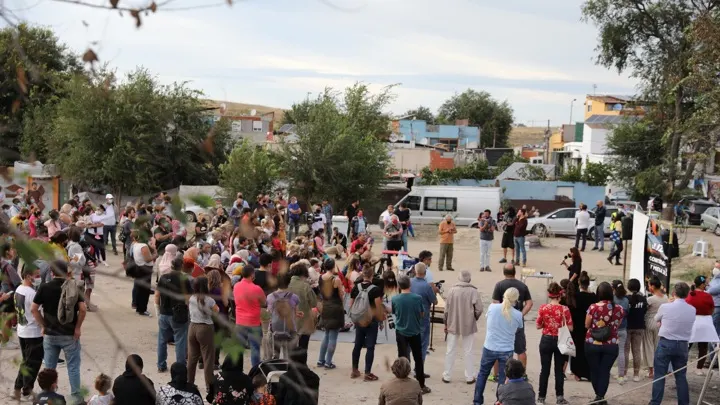 A renewable energy campaign to bring electricity to Cañada Real — Público · 11/11/2021
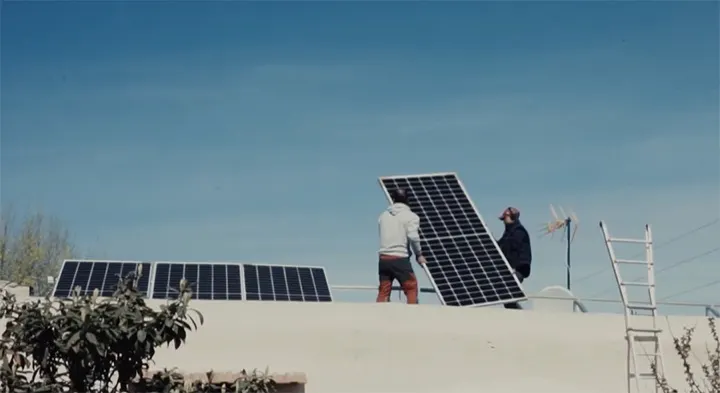 Lighting the way toward another reality — United Way Spain · 19/01/2022
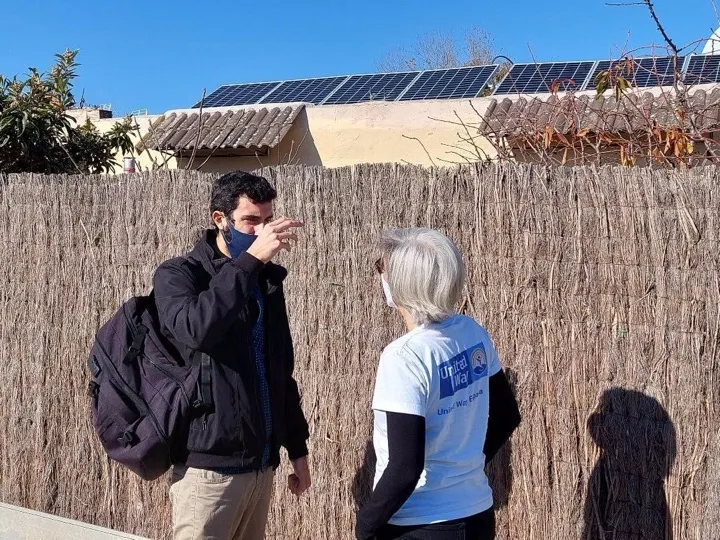 The United Way Foundation raises funds to install solar kits and bring solar energy to Cañada Real — Madrid24horas (Europa Press) · 15/02/2022
 Cañada Real goes dark, sector by sector — El Salto · 06/04/2022
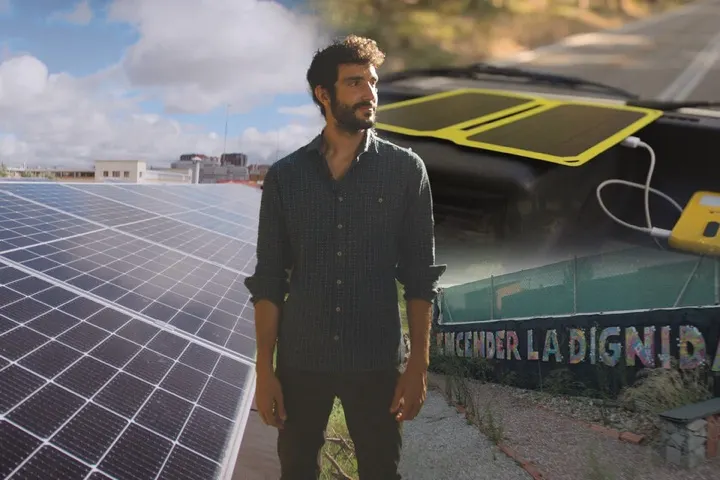 Light Humanity's solar revolution: panels and renewable energy against energy poverty — Xataka · 10/11/2023
 “When I discovered the potential of solar energy, I decided to become an energy activist” — Energías Renovables · 27/05/2024
 ‘Light Humanity’: an entirely social project designed to facilitate universal access to solar energy — MAPFRE · 08/04/2021
 Only the People Save the People — Goteo · 2021
 Cañada Real Solar Loan – Light Humanity Solar Energy — Light Humanity (website archived on the Wayback Machine) · 16/10/2021
 Presenting Light Humanity: support the Light of the Cañada Real project — economiasolidaria.org (Mercado Social de Madrid) · 28/04/2022
 #SeamosLuz for Cañada Real — Goteo · 2022
 In Search of HONORability: the two compelling stories that have shaped this project — Xataka · 21/11/2023
 Light of the Cañada Real — Light Humanity (website archived on the Wayback Machine) · 24/01/2025