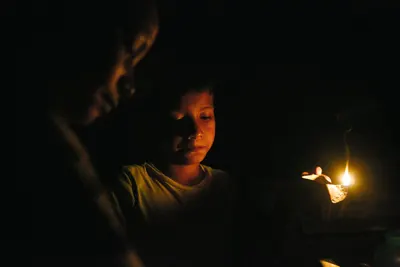
Light of the Amazon
Distribution of 10,000 solar lamps in the Brazilian Amazon to eliminate the use of kerosene
Solar lamps instead of kerosene for more than 3,000 families in the Brazilian Amazon
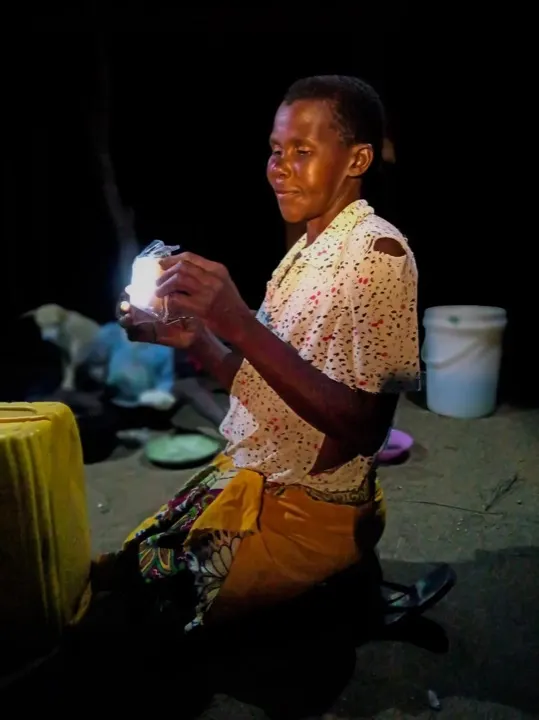
Light Humanity replaced the kerosene lamps of riverside families in the Brazilian Amazon with solar lamps paid for in instalments. Light of the Amazon began in Breves (Pará) in 2018 with 40 lamps and by January 2021 was lighting the homes of more than 3,000 families, with a local network of “light multipliers”.
- What it is: Light Humanity's main project in its early years: solar lamps to replace kerosene ones.
- Where: in Breves, in the state of Pará (Brazil), where about 50,000 people were living without electricity in 2019, and elsewhere in the Amazon.
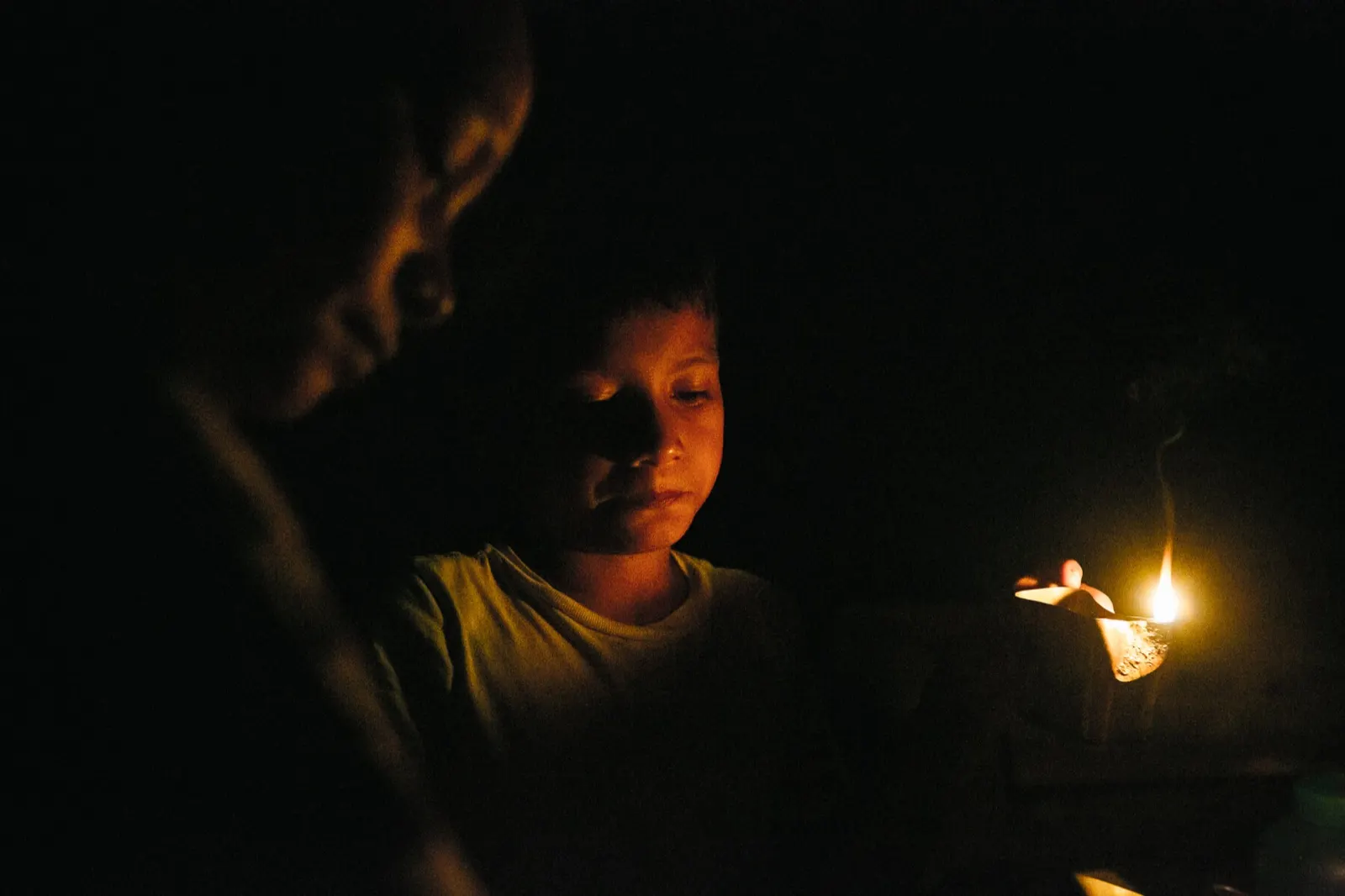
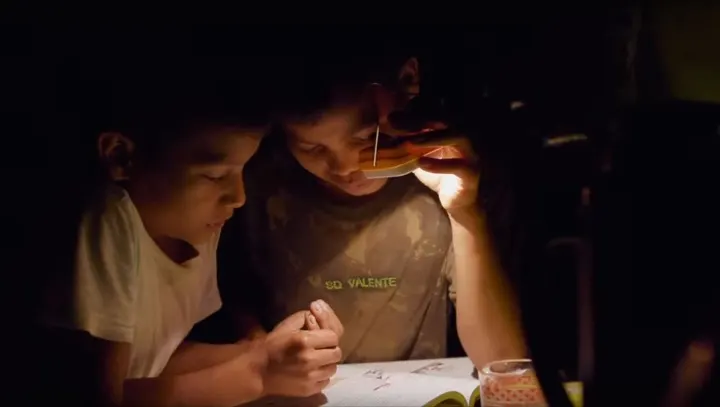
- The problem: 9 out of 10 riverside families used kerosene for lighting, and its fumes cause serious respiratory diseases.
- How: each lamp sold in Spain financed another in the Amazon, which the family paid for in small installments.
- Partners: Amiraldo de Souza and his sister Tatiana, community leaders in Breves (EFEverde); a local network of light multipliers; and brands such as Satorisan and Ramón Bilbao.
- What came next: the Solar Crowd lending platform and the idea of the Solar Electric Boat.
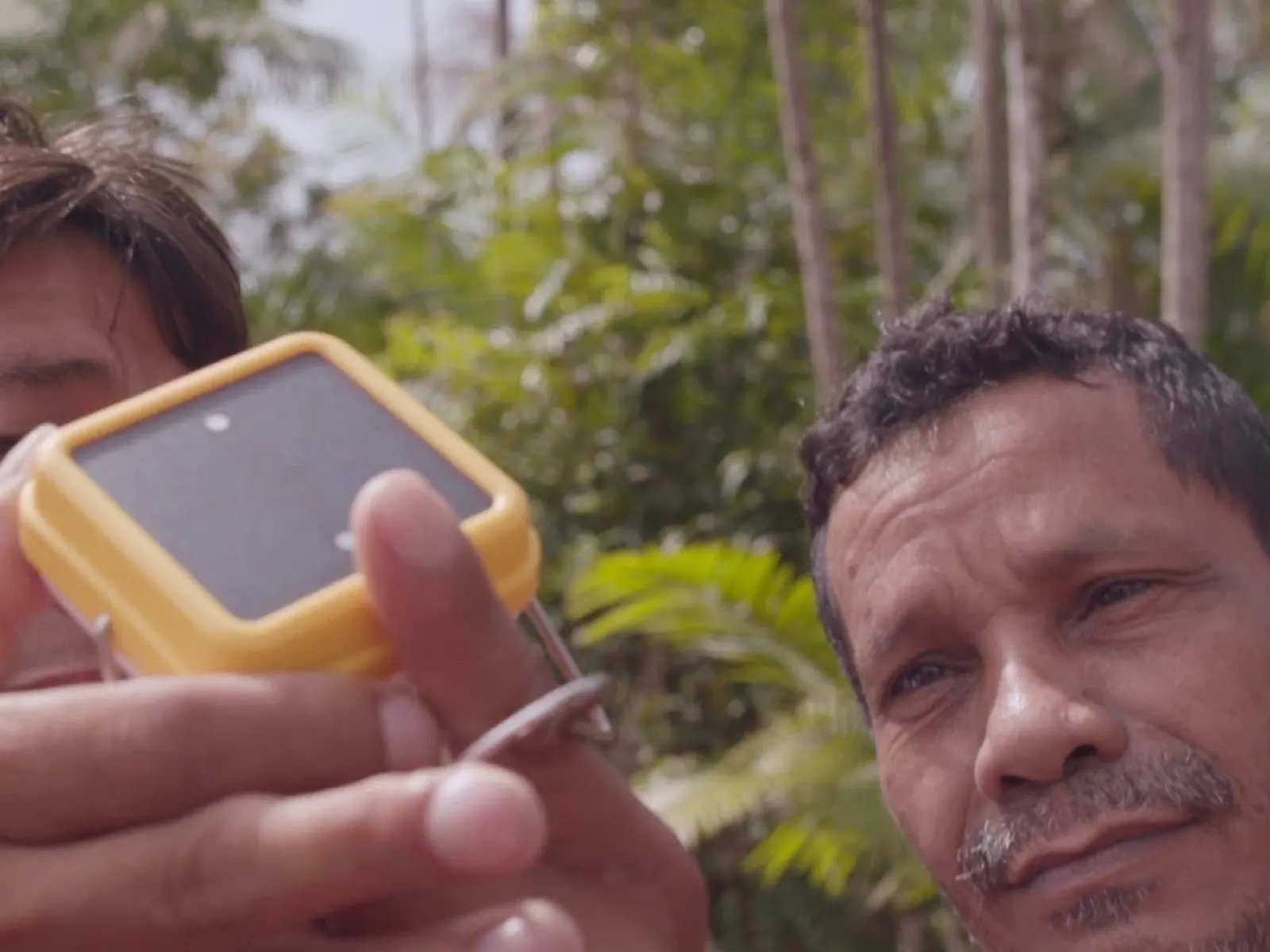

2018: Eugenio García-Calderón arrives in Breves with 40 solar lamps
Before founding Light Humanity, Madrid-born engineer Eugenio García-Calderón Huerta toured Spain on a solar bicycle with Solar Pedaling. He then went to the Amazon, where he knew people lit their homes with kerosene (Blog de Lenovo).
- The journey: in 2018 he traveled through Amazonian communities and, through Amiraldo's family, saw what they were exposed to every night (MAPFRE).
- Emilia: that autumn, near Breves, he met a girl with sinusitis who spent her nights outside the house to avoid breathing kerosene smoke. He was carrying 40 lamps, one per family (Pienso, Luego Actúo, Yoigo content in El País).
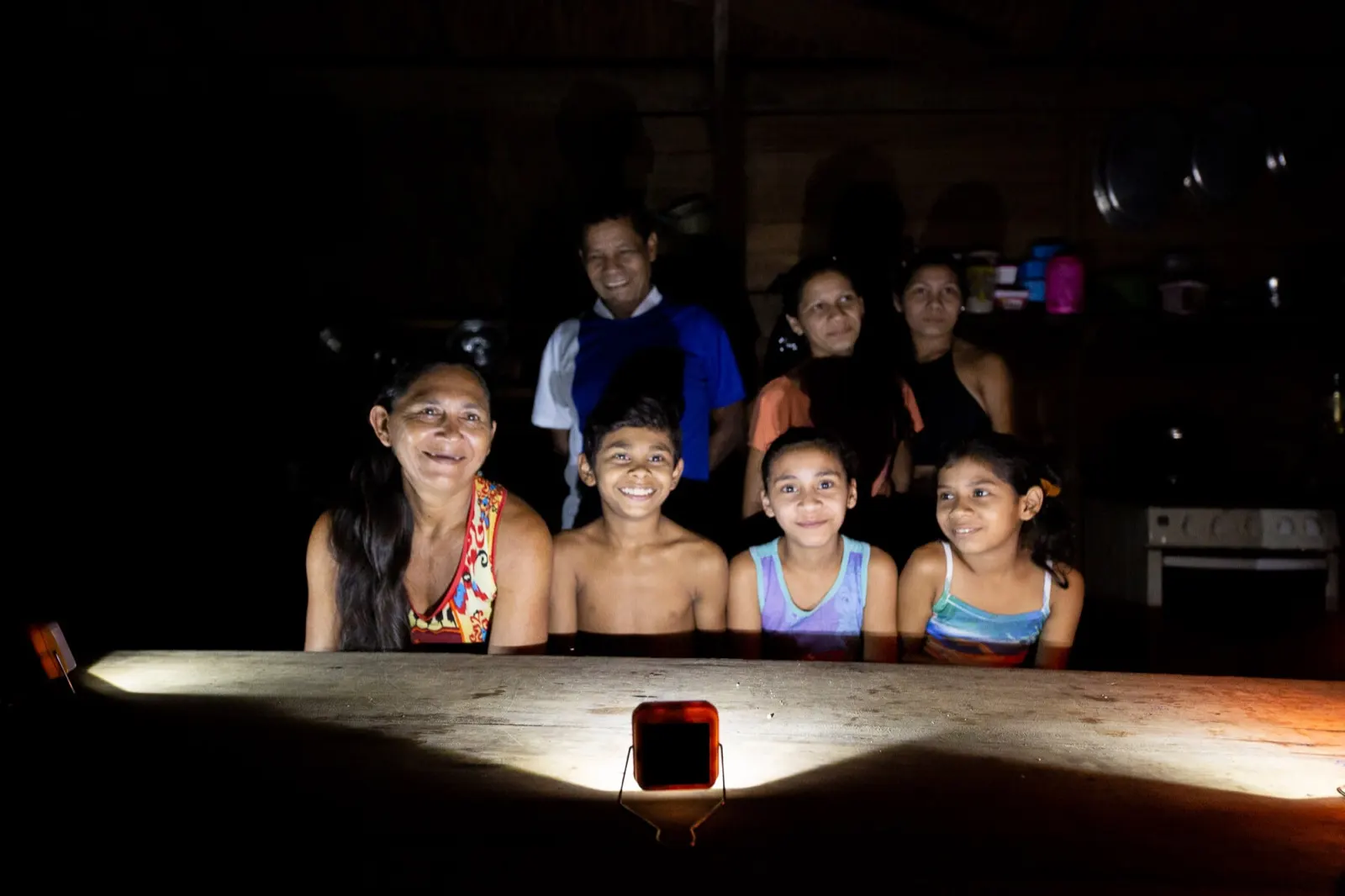
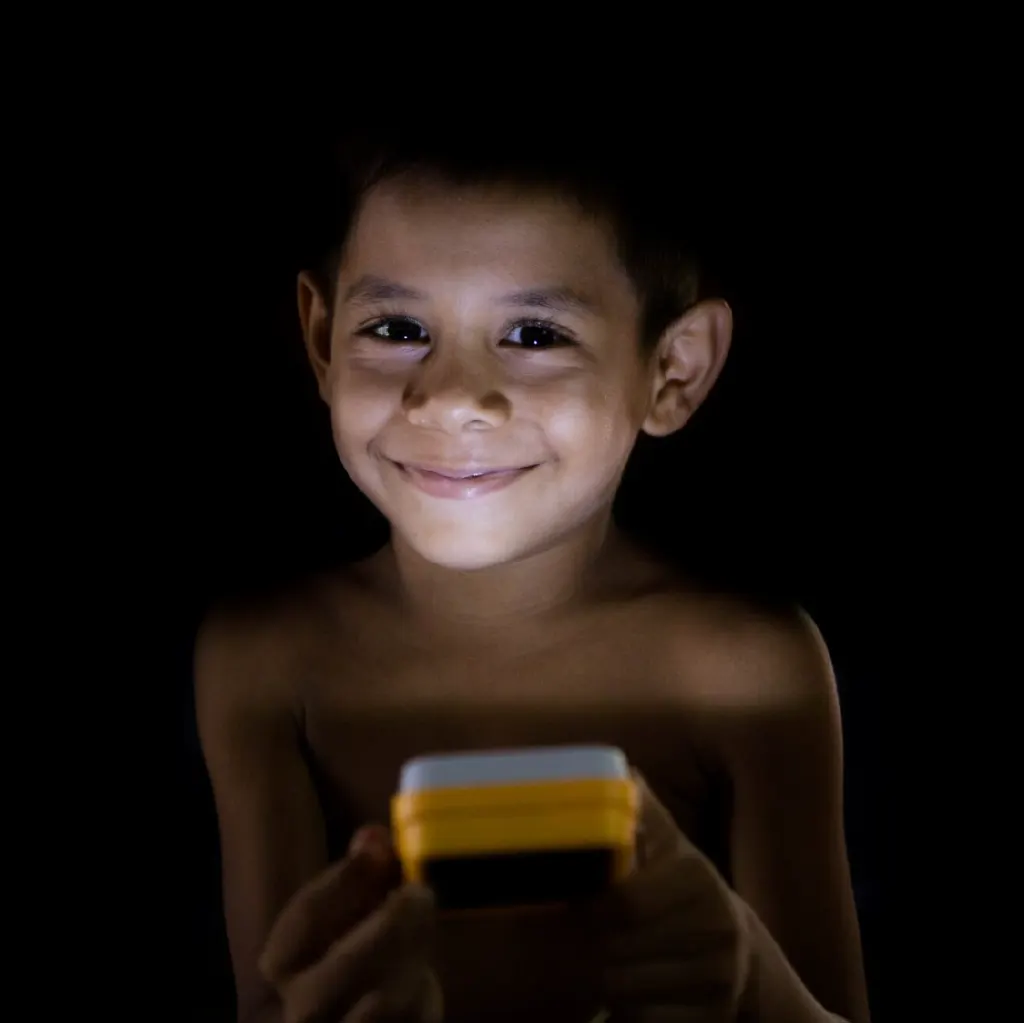
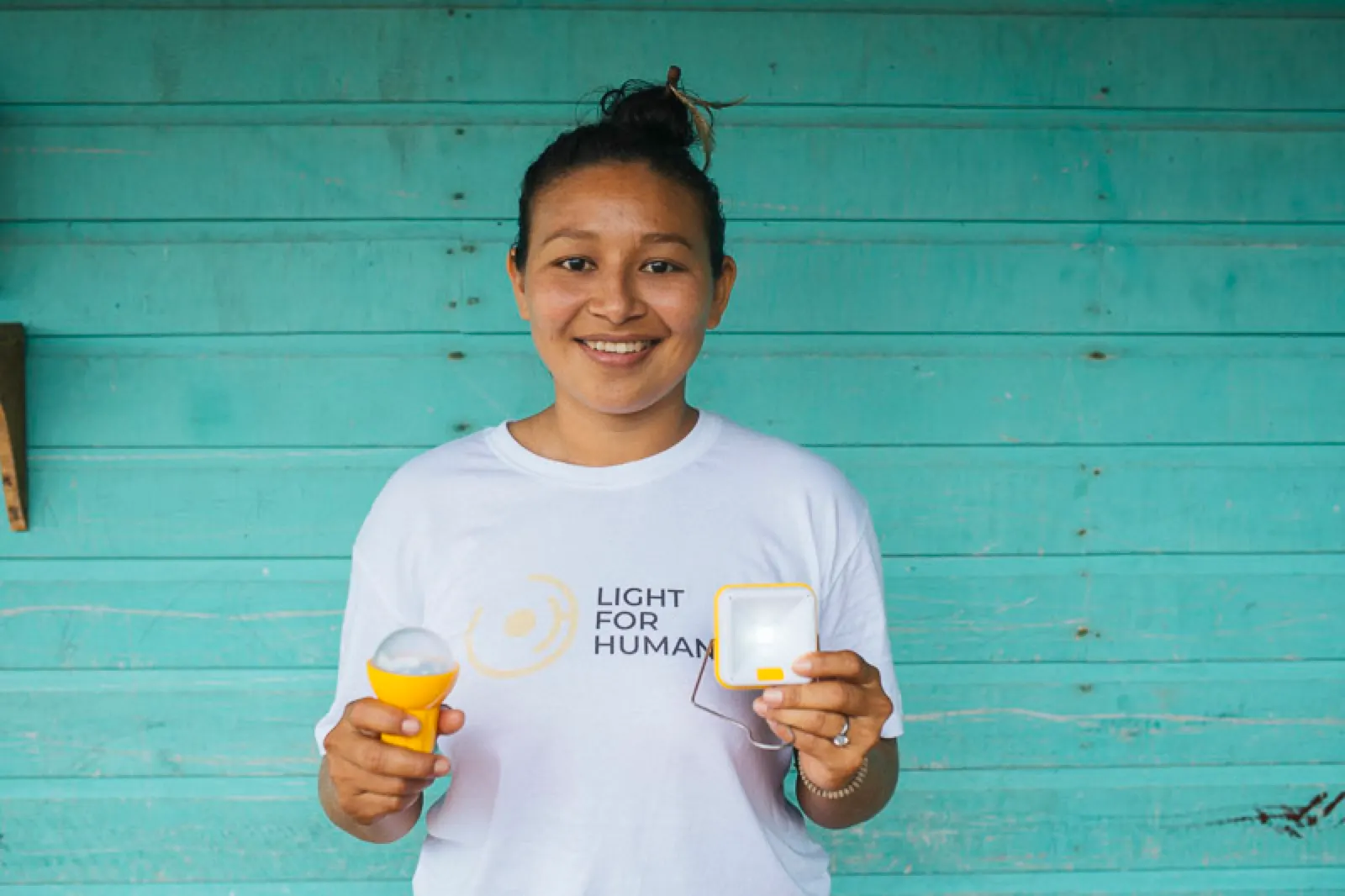
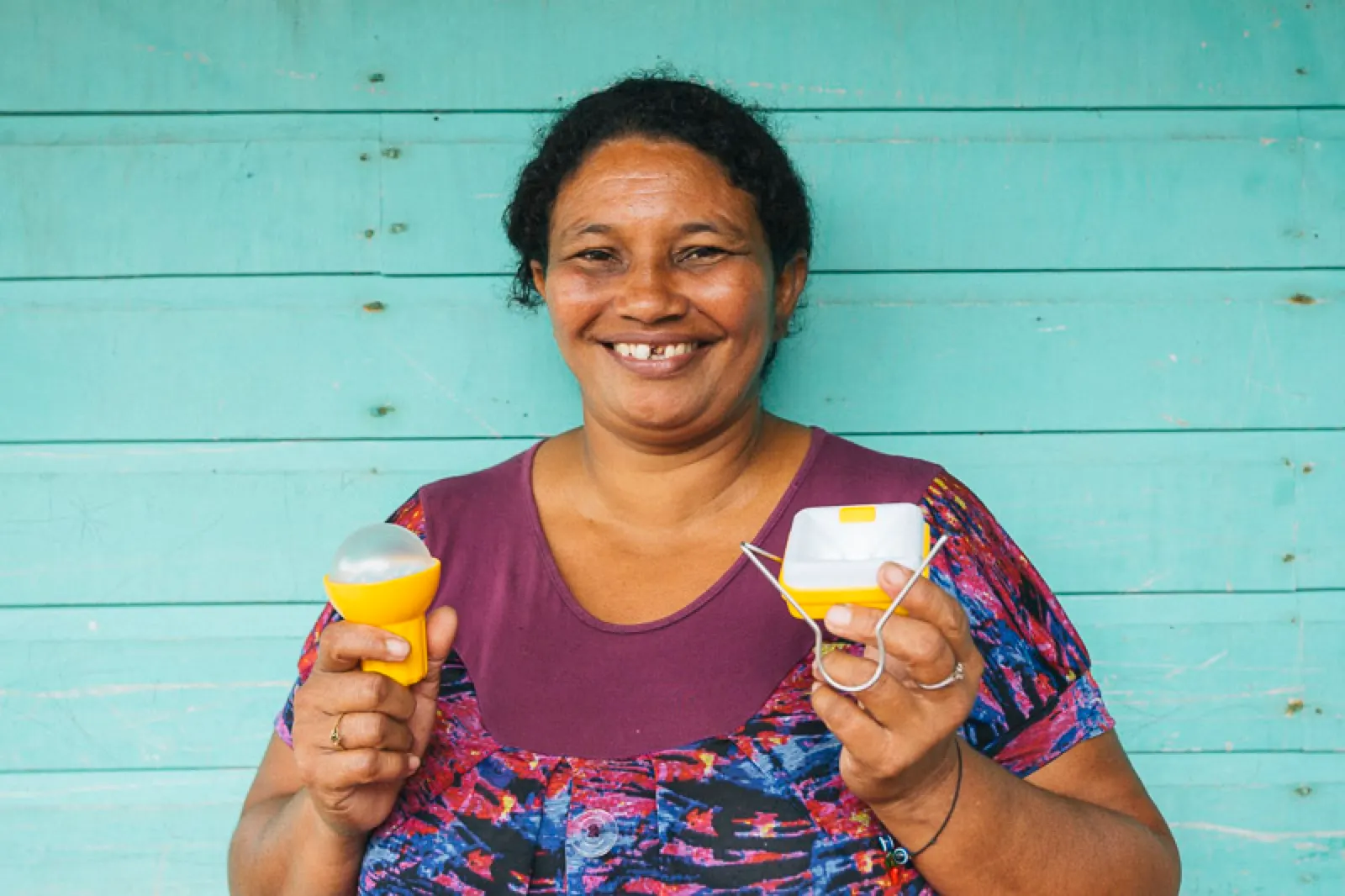
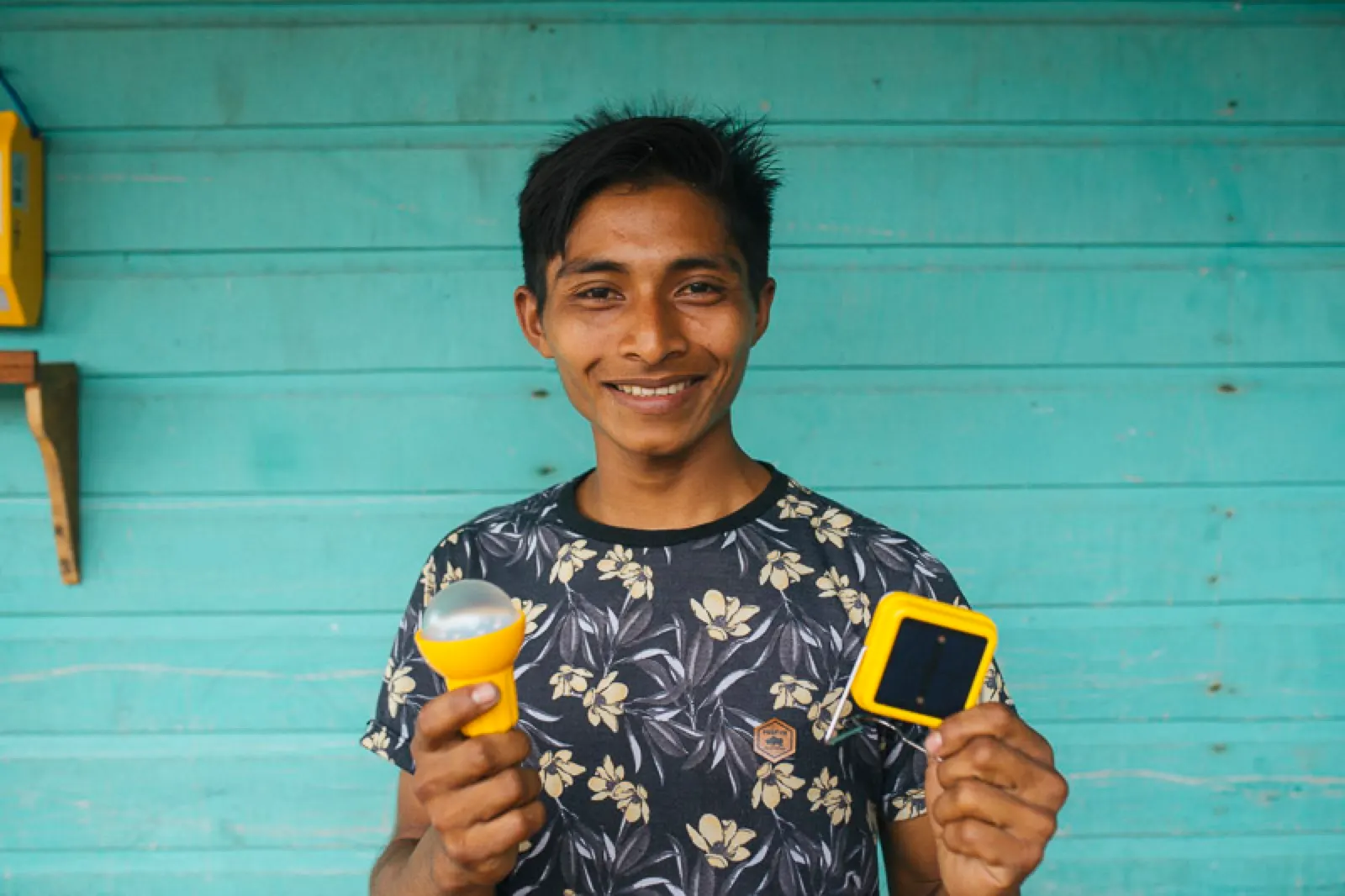
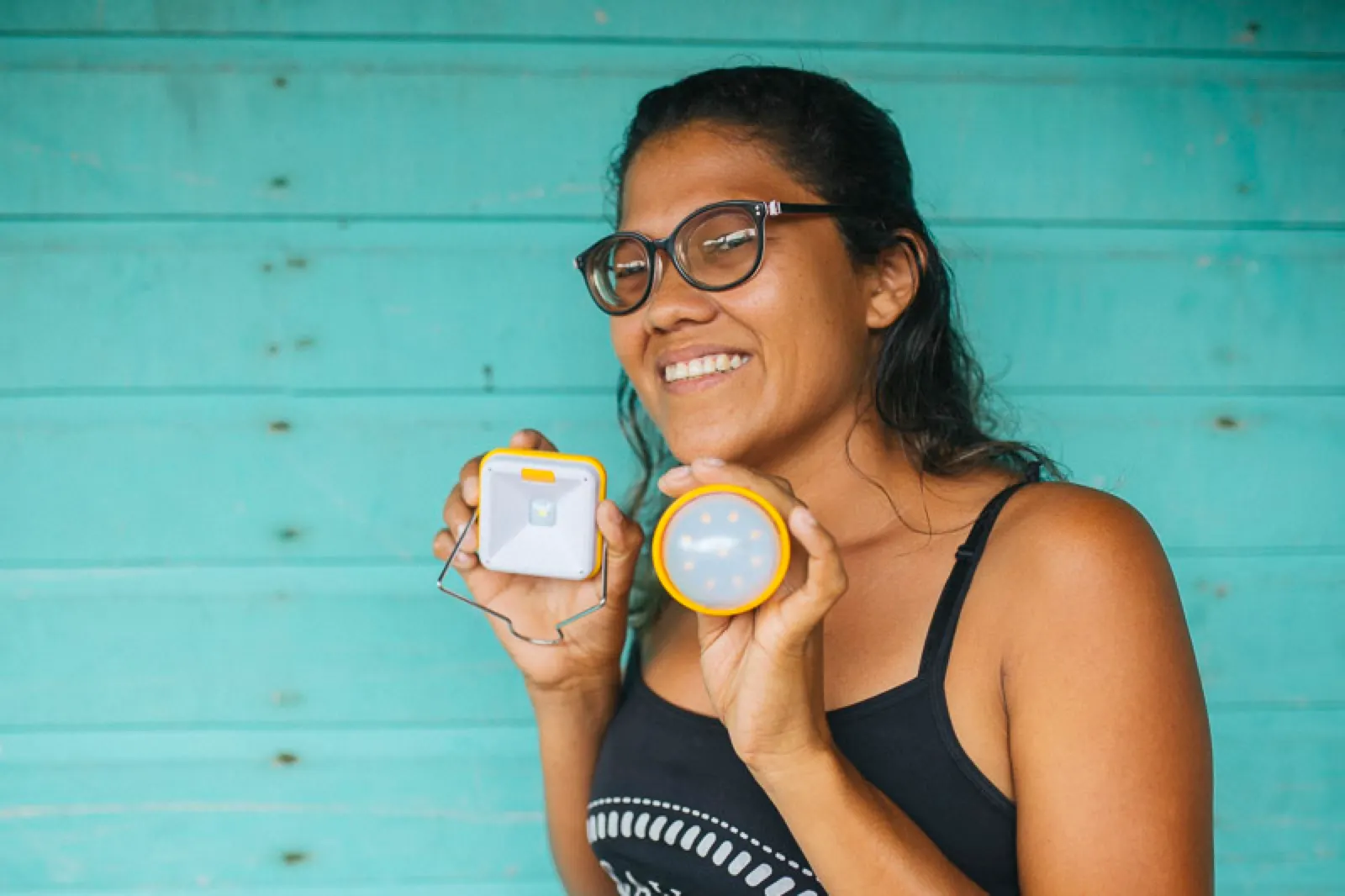
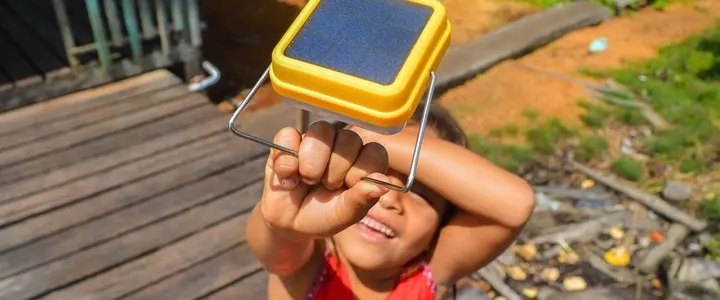
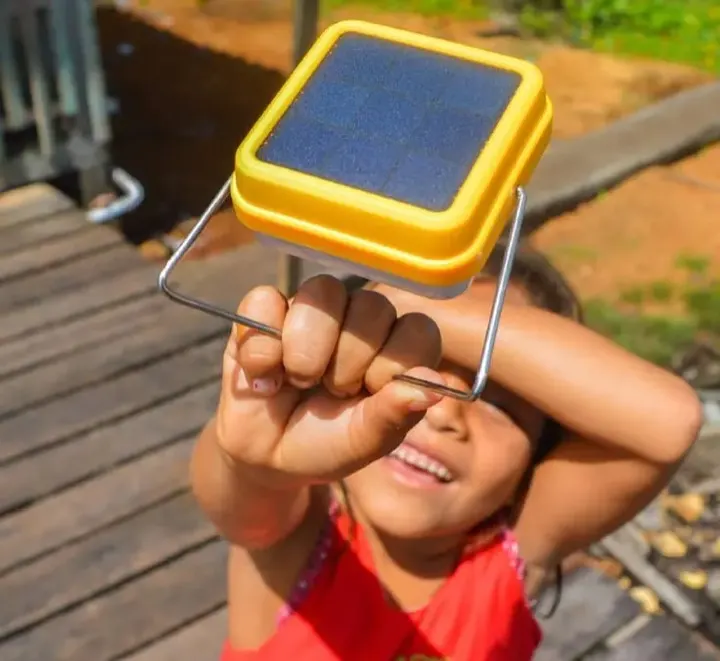
- The lamp: the Solar Cube, a yellow cube that gives eight hours of light for every eight hours of sun (Blog de Lenovo).
“I will never forget Emilia's smile” — Eugenio García-Calderón, founder of Light Humanity (Pienso, Luego Actúo / Yoigo in El País, 20/04/2020)
Nine out of ten riverside families in the Amazon used kerosene for lighting
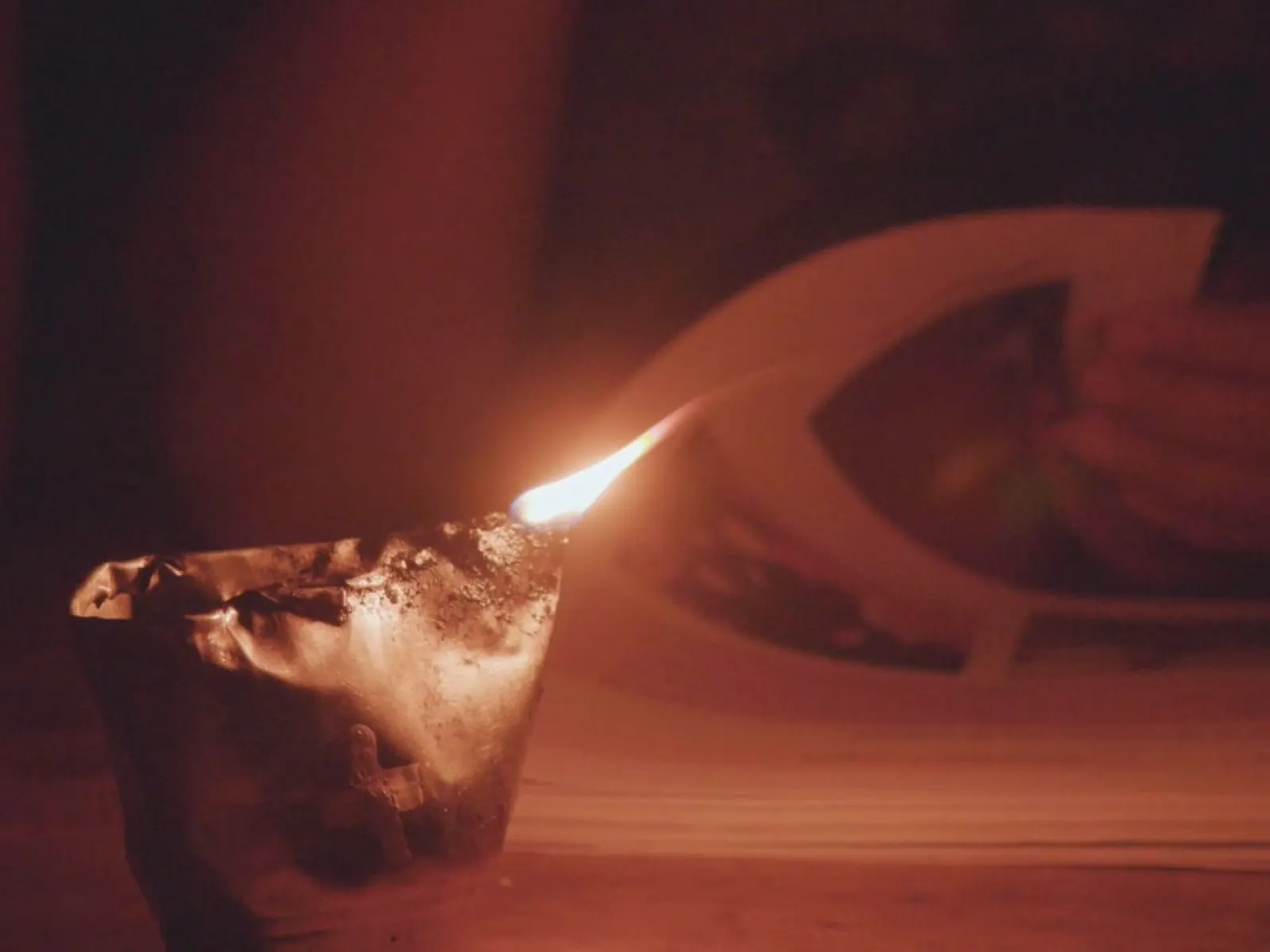
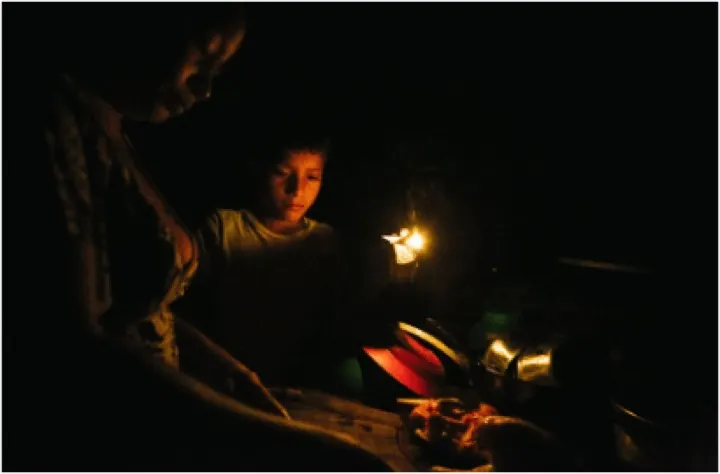
In Breves, rivers serve as streets and boats as buses. At night, many homes have only the light of a kerosene lamp.
- Dependence: nine out of ten riverside families relied on these lamps for light, according to MAPFRE.
- Health: their fumes and particles cause serious respiratory diseases such as pneumonia, according to the project website.
- Cost: an average family used 2 liters of kerosene a week, more than 100 a year (project website).
- Breves: about 50,000 people were living without electricity in 2019 (Energías Renovables).
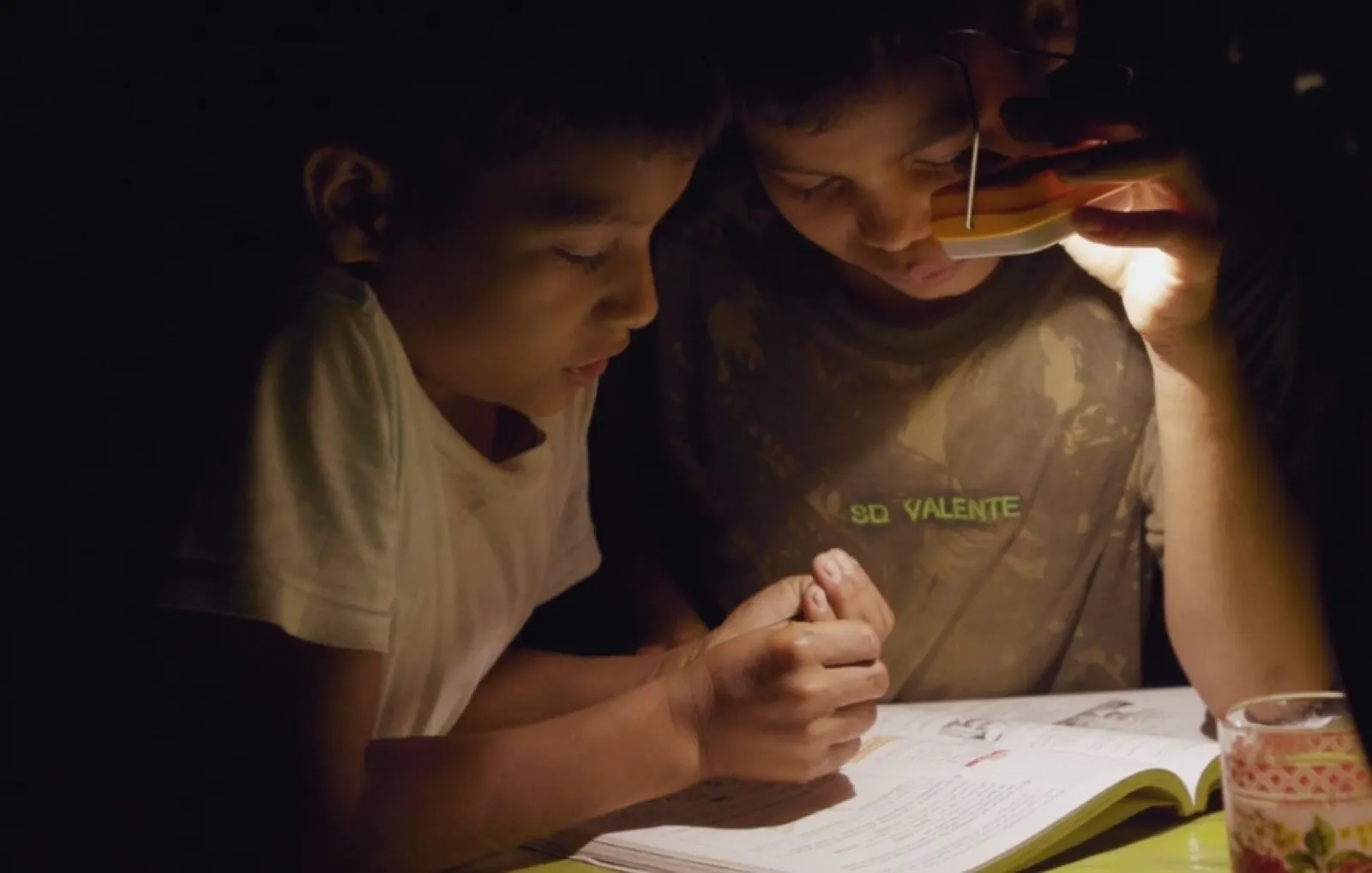
From giving lamps away to selling them in installments: €1 a month
At first, Light Humanity gave the lamps away. But families did not value what they were given for free and some were always left without a lamp, García-Calderón told the Blog de Lenovo. So they changed the model.
- Solidarity purchase: each lamp bought at Light Humanity's solar store in Spain financed another for the Amazon (Yoigo in El País).
- Installments: in 2019, Light Humanity proposed paying for the lamp at €1 a month for nine months; in 2020 it spoke of microcredits of between 4 and 20 euros (EFEverde).
- Savings: monthly spending on kerosene and diesel is usually 3 to 6 times higher than the installment, so the family saves from the first month, according to the project's methodology.
- Lifespan: the panel lasts about 30 years and the LED 50,000 hours; the battery is replaced every 5 to 10 years (Yorokobu).
17 light multipliers, most of them women, distributed the lamps and managed the microcredit
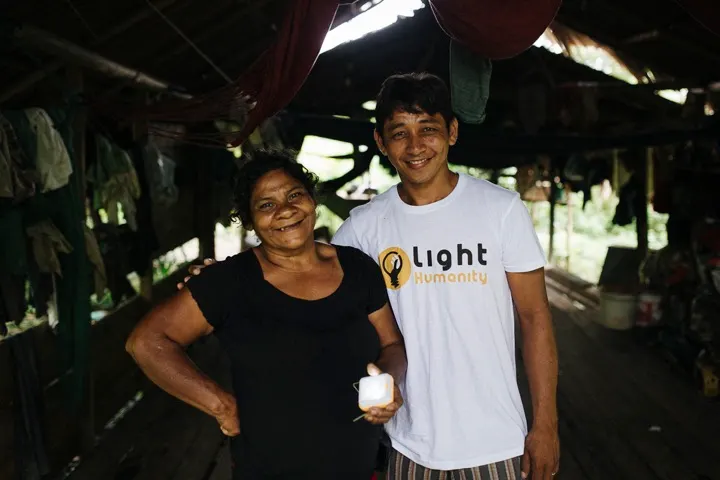
In such remote places there was no supply chain to deliver the lamps. So a network of light multipliers was born: people from the communities themselves, trained to distribute the lamps, collect the installments and repair them.
- 17 local points: they distributed in different parts of the Amazon basin, and most were run by women (Blog de Lenovo, 2021).
- Microcredit: the multipliers managed the loans so that each family could pay month by month (project website).
- Recycling: waste from the lamps was collected once a month and sent to a processing plant (Blog de Lenovo).
- In Breves: Tatiana's shop was selling almost 200 lamps a month in 2020 (Yoigo in El País).
“Most of them are women, light multipliers, as we call them” — Eugenio García-Calderón, founder of Light Humanity (Yorokobu, 25/05/2021)
2020: an urgent solar lamp campaign against COVID-19 in the Amazon
Families breathing kerosene smoke were among the most vulnerable to COVID-19. In April 2020, Light Humanity launched an urgent plan for solar lamps, coordinated with the local authorities in Breves (EFEverde).
- 7,500 lamps on the way: the store's entire stock was traveling in a container to the banks of the Amazon (Yoigo in El País).
- No contact: distribution would take place from boats and with megaphones, and families' installments would be deferred.
- 15,000 euros: raised by the first phase of the crowdfunding campaign to finance 1,000 lamps; the second sought about 7,500 euros for another 500. The goal: 10,000 lamps (EFEverde).

“Even in the most critical situations we have learned that it is not advisable to make donations that create instability and mistrust” — Eugenio García-Calderón (Pienso, Luego Actúo / Yoigo in El País, 20/04/2020)
Satorisan and Ramón Bilbao: brands that tied their sales to solar lamps for the Amazon
Light Humanity also brought in companies that linked their sales to light in the Amazon.
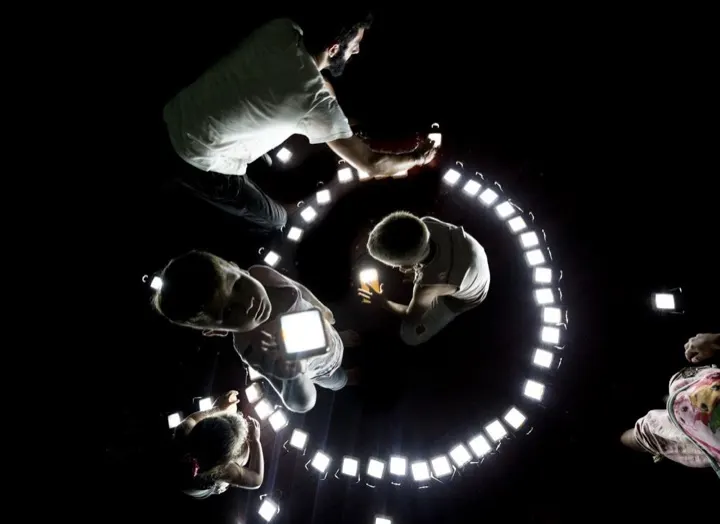
- Satorisan: in 2020, the brand and Light for Humanity distributed solar lamps in the Amazon with the Chacrona collection; the partnership page spoke of 1,000 lamps and 5,000 people with clean energy.
- Ramón Bilbao: for each pack of two bottles of Ramón Bilbao Reserva and a Solar Cube sold, the winery pledged to send a solar lamp to the Amazon (Yorokobu).
From 40 lamps to more than 3,000 families: how Light of the Amazon grew
The published figures measure different things (lamps shipped or distributed, families, people) and do not always add up: they are listed here by date, with their source.
- May 2019: a second campaign in Breves, with priority for families with serious respiratory problems (Energías Renovables).
- April 2020: across all its projects, Light Humanity had delivered 3,500 lamps in seven countries, some 15,000 “new lives lit up” (Yoigo in El País).
- January 2021: more than 7,000 lamps in the Amazon and about 3,000 distributed: “That means light for more than 20,000 people” (Blog de Lenovo).
- 2022-2025: the project website showed 17 multipliers and 8,340 people with solar energy, and estimated 38,292 tons of CO₂ avoided.
More than light: solar home systems in the Amazon
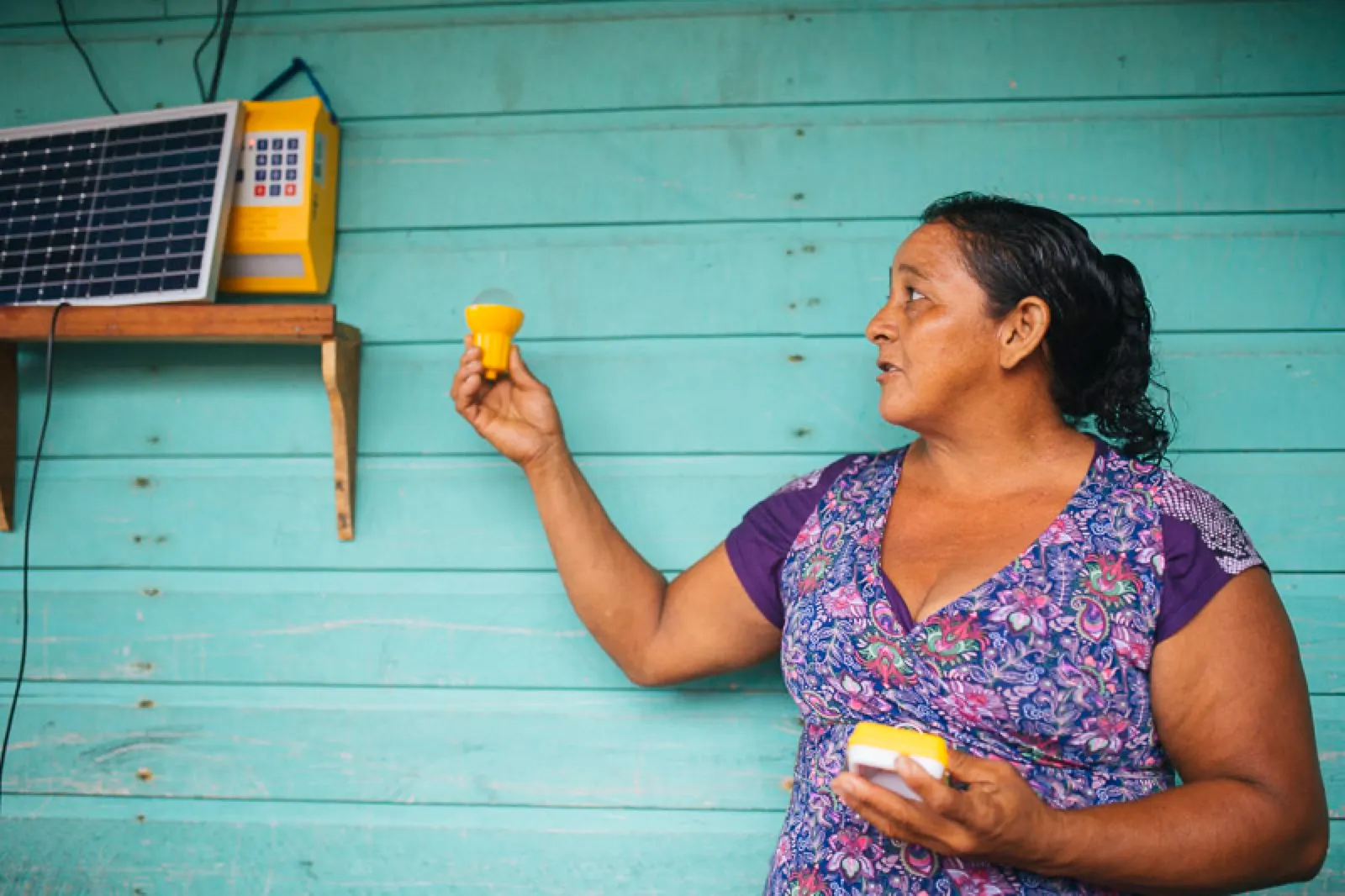
In 2020, the project began moving from lamps to small solar home systems: one panel per home for five light points and phone charging (EFEverde).
- Made locally: they were testing Solar Cube prototypes with coconut shells so that the multipliers could also manufacture them (Yorokobu).
After the lamps: Solar Crowd, the solar boat and Cañada Real
More than four years of work in places like the Brazilian Amazon led Light Humanity to create Solar Crowd, its crowdfunding platform (Energías Renovables).
- Light of the Amazon loan: on Solar Crowd, a crowdlending loan sought to bring solar energy to more than 14,000 people in the rural Amazon.
- Other countries: the platform, co-founded by Arturo Rubio, has financed projects such as Light for Kenya, Light of La Guajira and Light for Honduras.
- Solar boat: in 2021, García-Calderón wanted a solar boat prototype for the Amazon; the idea lives on in the Solar Electric Boat.
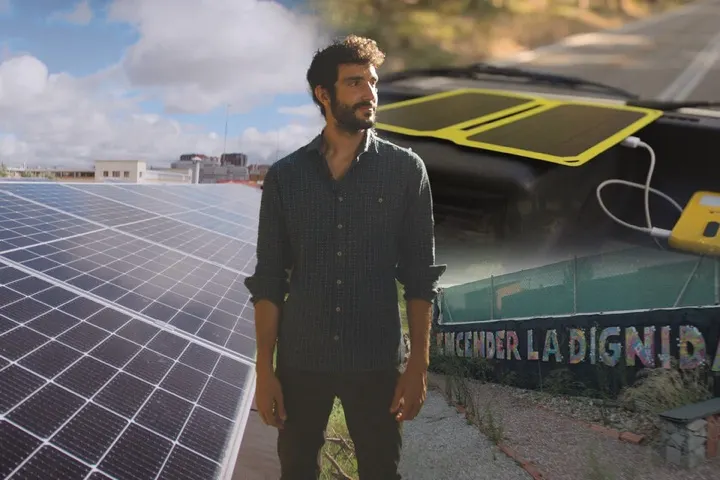
And back in Madrid, he brought solar energy to Cañada Real: “[…] I was going off to the Amazon, thousands of kilometers away, to bring solar energy, when right next to my home there was a community of thousands of people who had suddenly lost their electricity,” he recalled in Xataka in 2023.
In the media
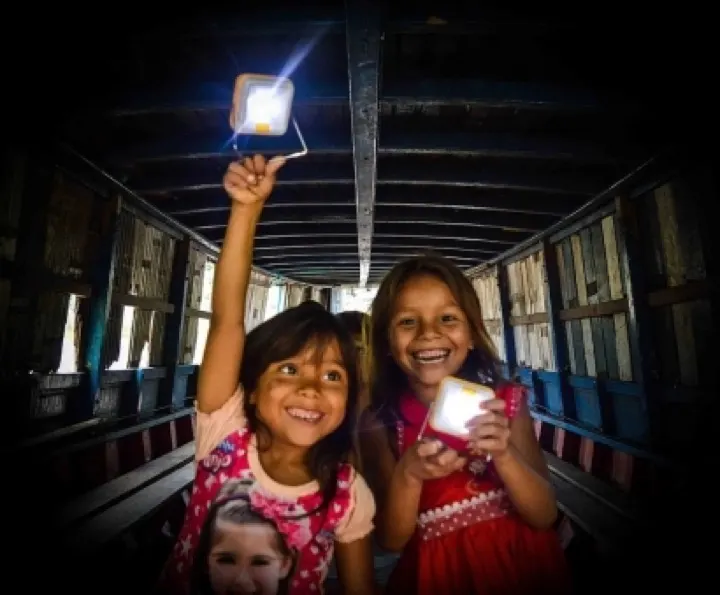 Solar lamps that replace kerosene ones — Energías Renovables · 13/05/2019
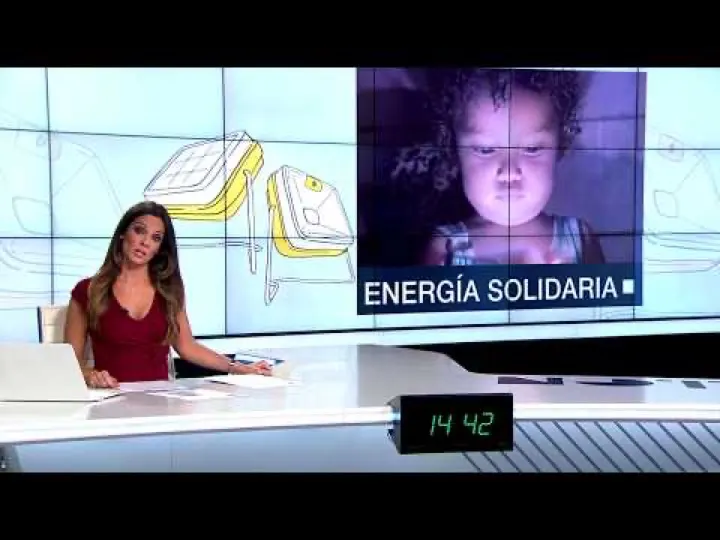 La Sexta Noticias. Spanish company finances solar lamps in the Amazon — YouTube – Light Humanity (laSexta report) · 15/01/2020
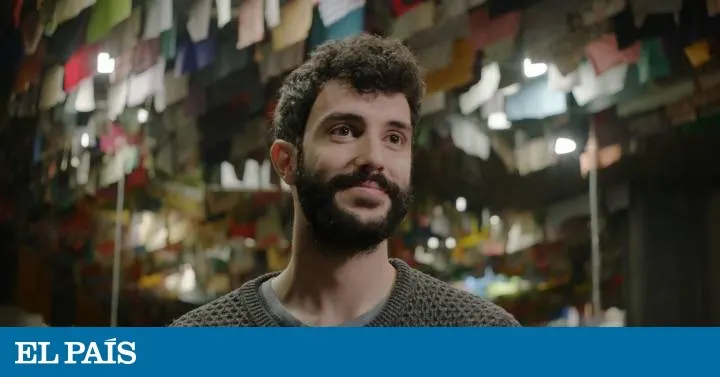 Sharing the sun to light up lives — El País · Pienso, Luego Actúo (Yoigo content) · 20/04/2020
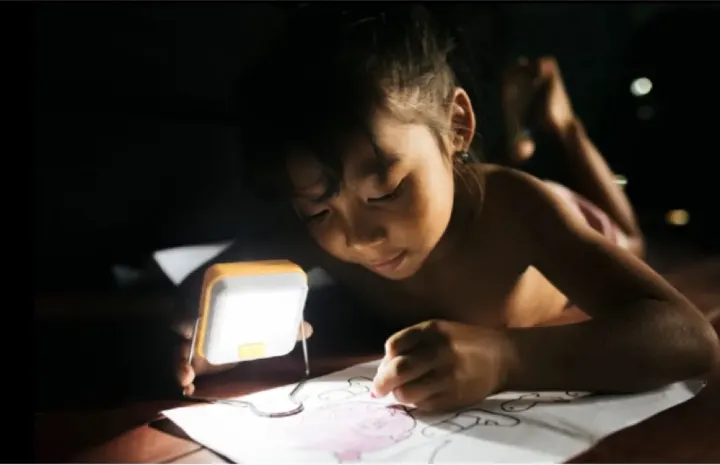 “Light humanity”, the Spanish initiative to provide lamps and a solar boat to Latin America, Africa and the Philippines — EFEverde (Agencia EFE) · 11/06/2020
 Eugenio García-Calderón, Light for humanity: “We have a responsibility to help other economies complete their energy transition” — Blog de Lenovo · 28/01/2021
 ‘Light Humanity’: an entirely social project designed to facilitate universal access to solar energy — MAPFRE · 08/04/2021
 Solar energy thumbs its nose at kerosene in the Amazon — Yorokobu · 25/05/2021
 Light Humanity's solar revolution: panels and renewable energy against energy poverty — Xataka · 10/11/2023
 THE LIGHT OF THE AMAZON. Kerosene lamp and solar energy Light Humanity — YouTube – Light Humanity · 12/09/2019
 The Light of the Amazon – Light Humanity Solar Energy — Light Humanity (website archived on the Wayback Machine) · 21/04/2020
 Satorisan – Light Humanity Solar Energy — Light Humanity (website archived on the Wayback Machine) · 25/09/2020
 Light of the Amazon loan — Solar Crowd
 Solar Crowd launches a crowdfunding campaign in Honduras — Energías Renovables · 21/06/2023