Pisuerga Hydroelectric Plant
Community hydroelectric plant in Ligüérzana (Palencia)
A hydroelectric plant in Ligüérzana shares the energy of the River Pisuerga among 2,010 members
In Ligüérzana (Cervera de Pisuerga, Palencia), a 500 kW small hydropower plant turns the flow of the River Pisuerga into electricity for 2,010 members of Comunidad Solar, a company co-founded by Eugenio García-Calderón Huerta, founder of Light Humanity. Since 2023 it has complemented the company's solar parks in remote self-consumption: it also generates at night if the river has water.
- What it is: a 500 kW small hydropower plant on the River Pisuerga, the “Hidro del Pisuerga”, whose output is shared through remote self-consumption among its members: the households and businesses that have paid for a portion of what it generates.
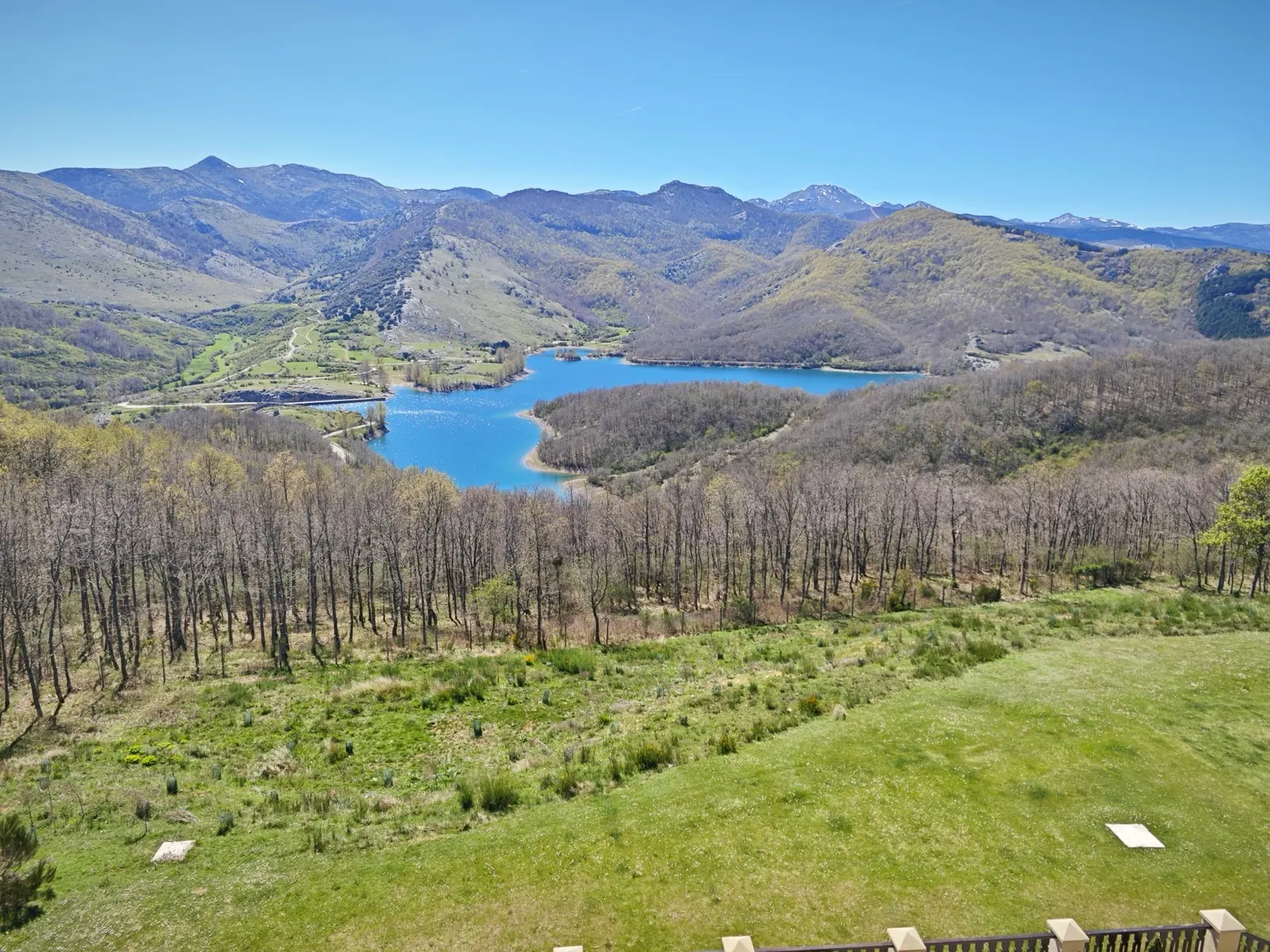
- Where: in Ligüérzana, a hamlet of Cervera de Pisuerga, in the Montaña Palentina (Palencia).
- With whom: Comunidad Solar, the company co-founded by Eugenio García-Calderón Huerta, founder of Light Humanity, and its energy retailer, which brings that energy to each member's bill.
- How it works: water drives the turbine and the output is divided into shares for 30 years; unlike solar, it can arrive by day or by night if there is enough flow.
- Outcome: the plant is fully subscribed, with 2,010 members and no new places, and continues to generate for them.
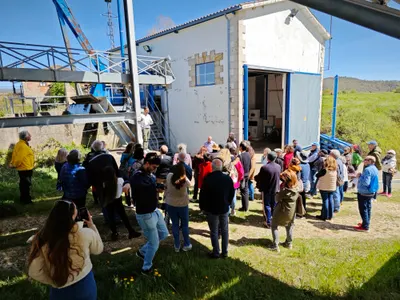
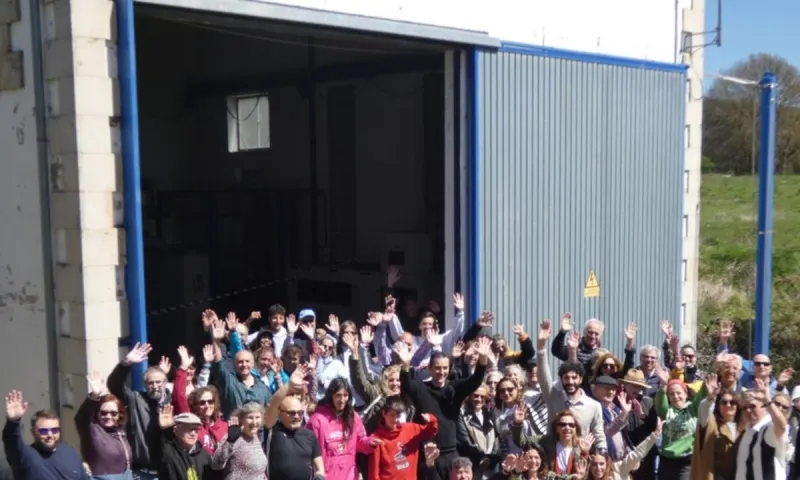
- Gathering: on 20 April 2024, some 65 people visited it while a shepherd crossed with around 750 sheep.
- What's next: the contract runs for 30 years and the plant continues to generate for its members; Comunidad Solar is building its next park in Chiva (Valencia), due to open in 2027.
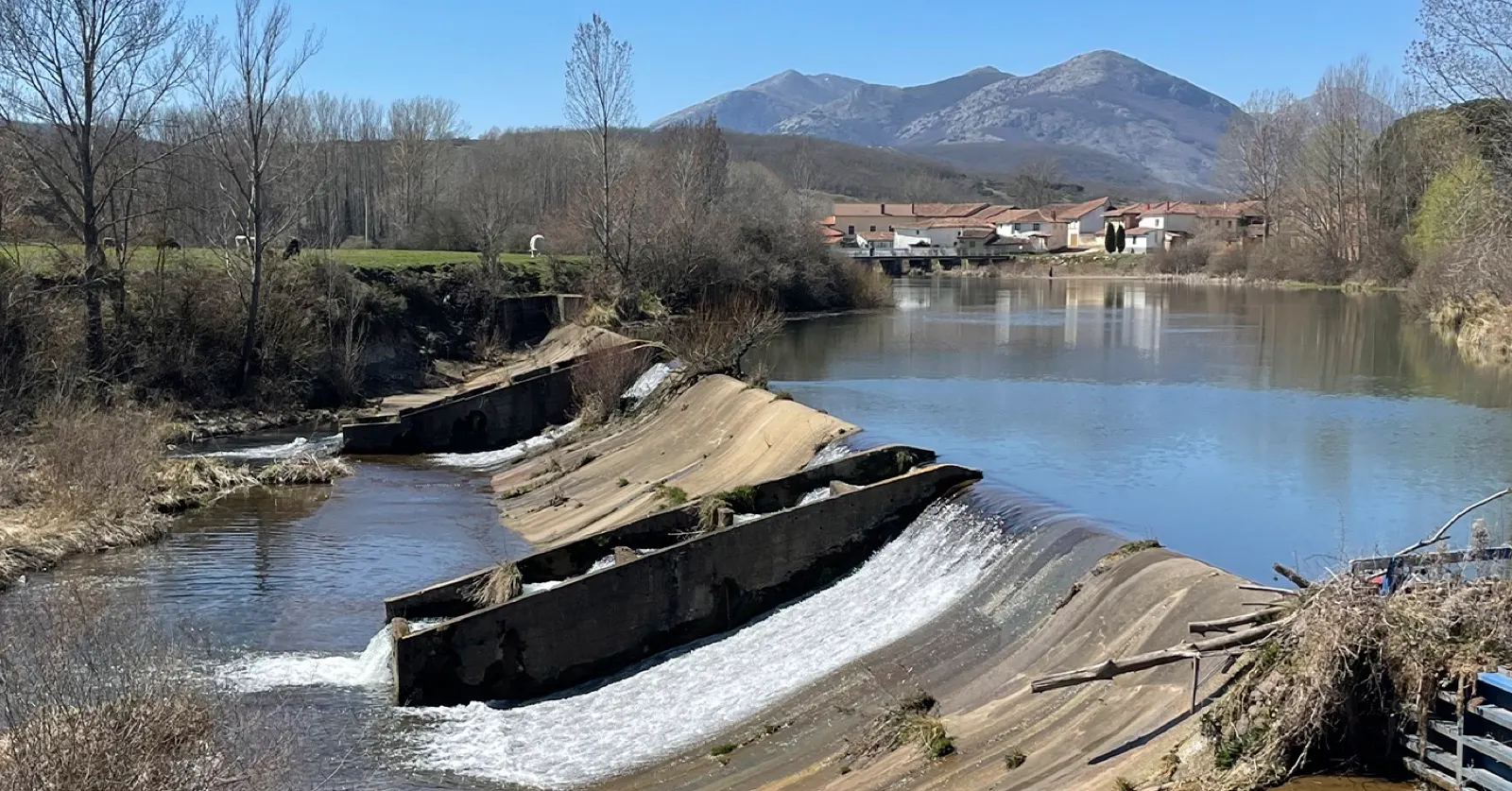

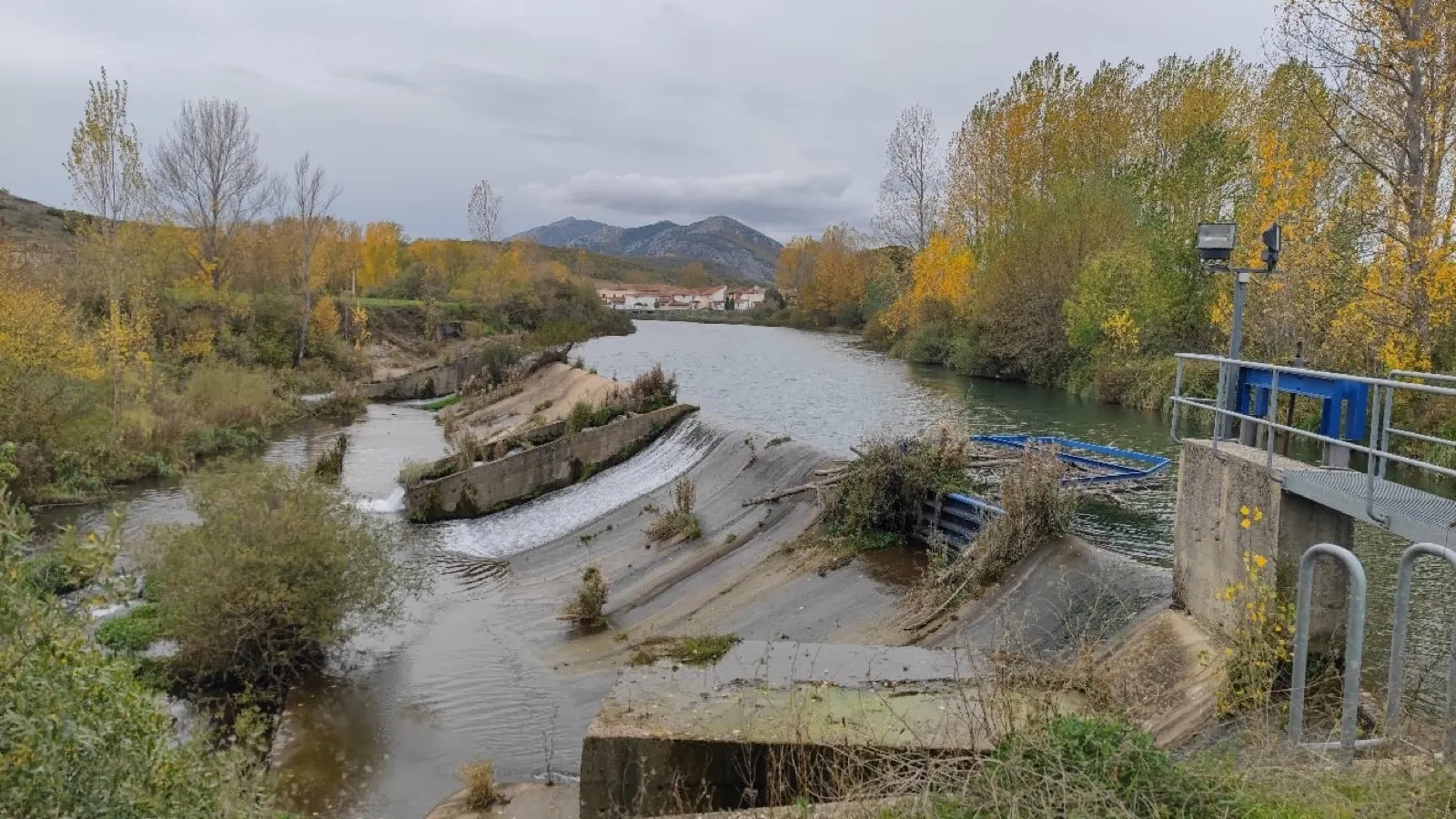
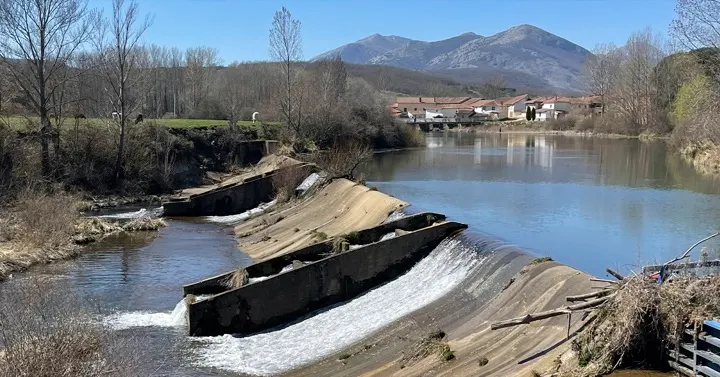
A 500 kW small hydropower plant on the River Pisuerga, in the Montaña Palentina
The plant is in Ligüérzana, a hamlet of Cervera de Pisuerga. Comunidad Solar calls it “our plant” and explains it on its project page: “Ligüérzana is not thousands of small turbines”, but a single 500 kW plant whose output is shared by contract among its members.
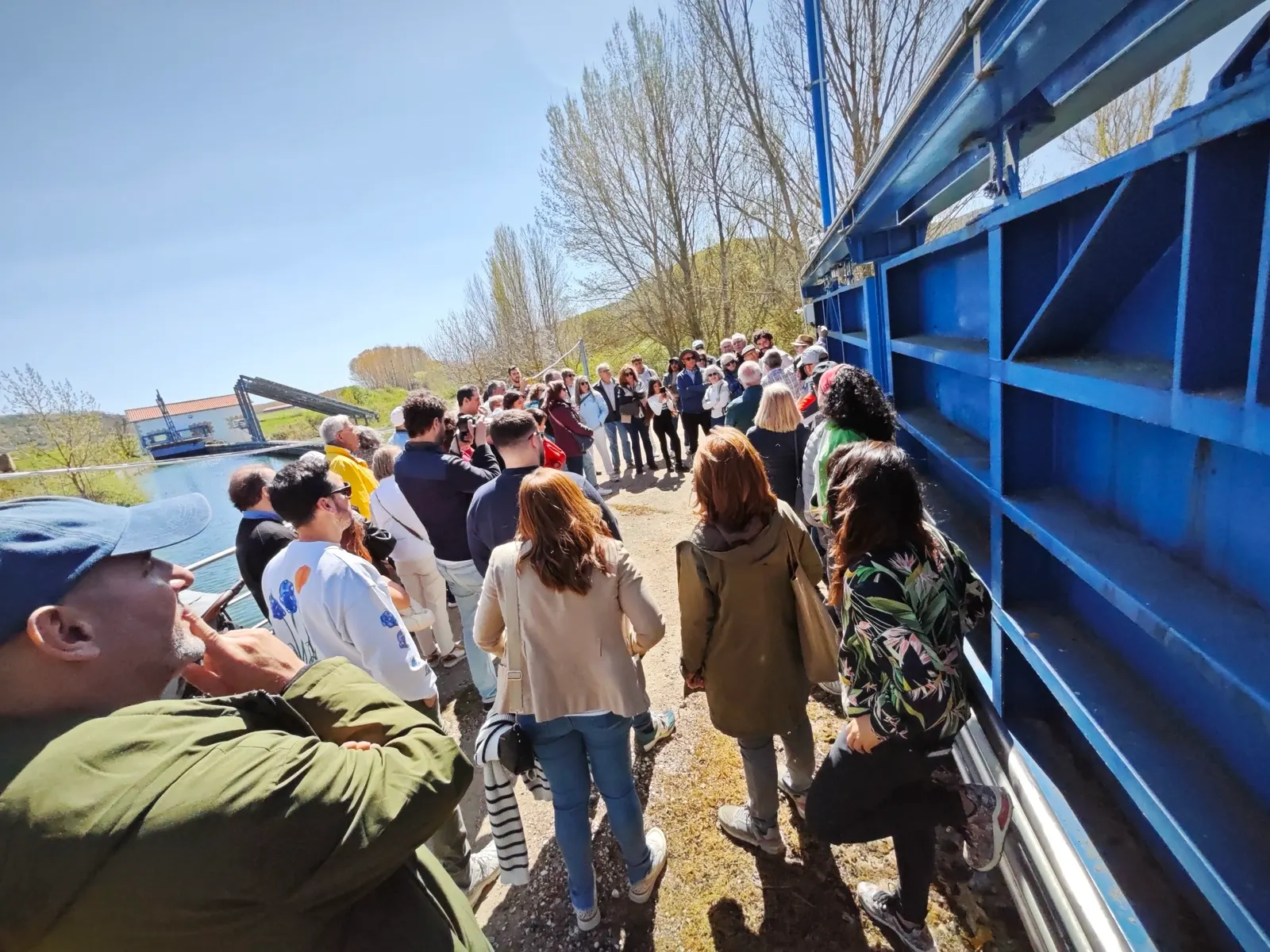
- The path of the water: part of the Pisuerga's flow is diverted from the river into a channel that feeds the plant and, after passing the intake's trash rack, drives the turbine (Comunidad Solar's account).
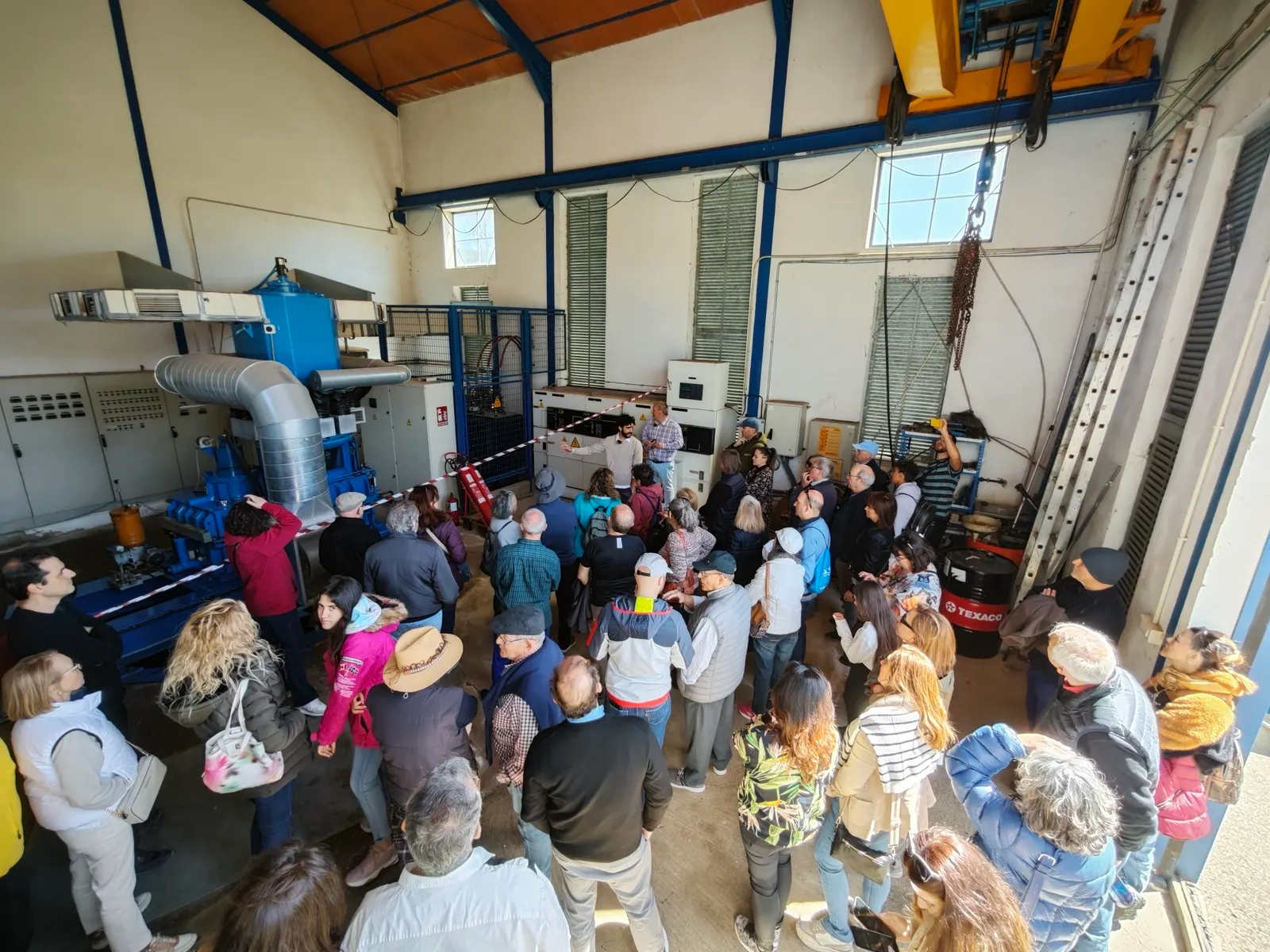
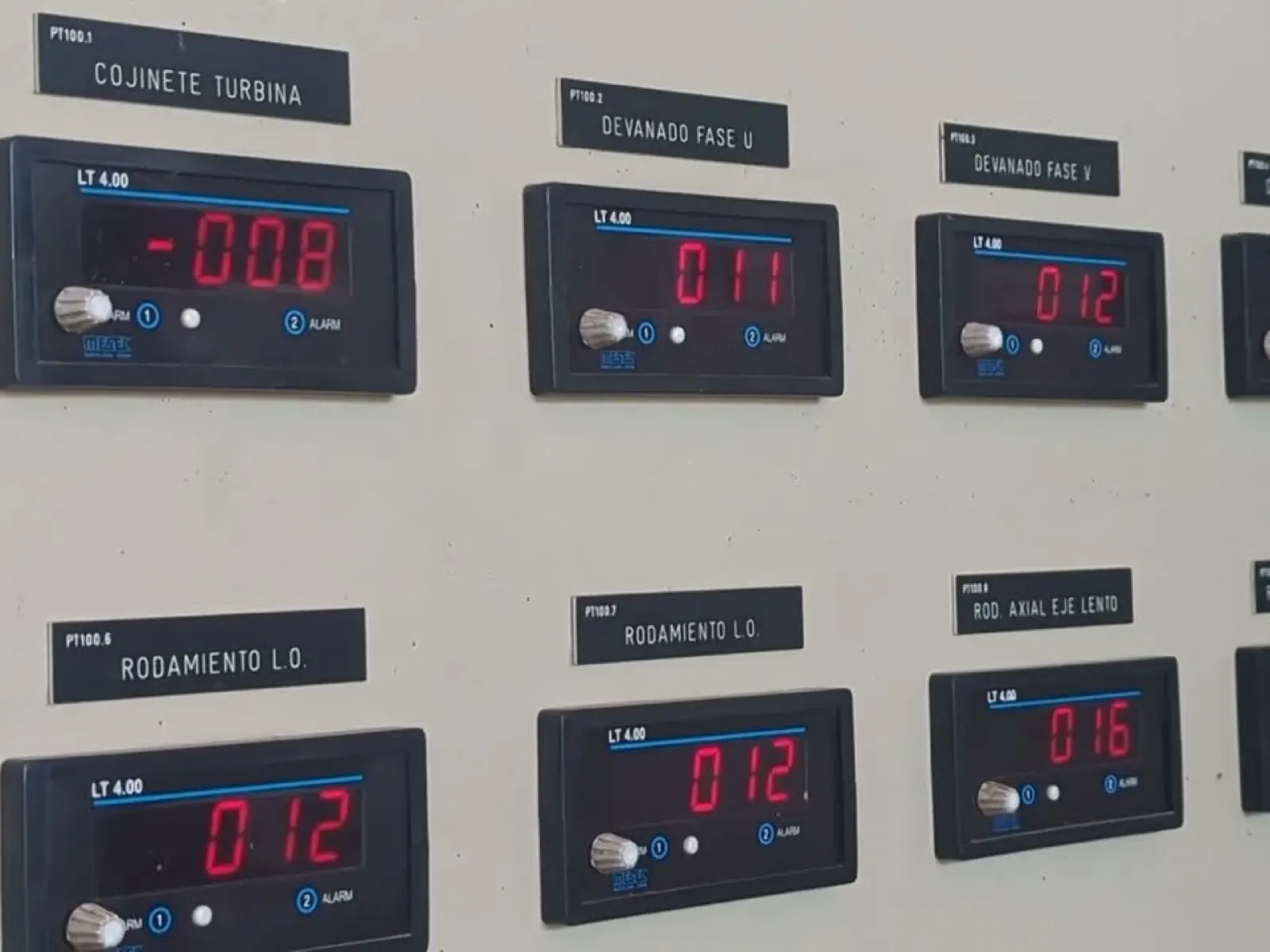
- From turbine to grid: the turbine and transformer share a room; the generator converts the rotation into electricity and feeds it into the grid.
- A different timetable from the sun: it can generate by day or by night if there is enough flow and the plant is available; that is why it complements the solar parks at Fuente Álamo.
Remote self-consumption, conceived in Toledo, already included the Pisuerga plant in 2023
The idea of remote self-consumption was born in Toledo: when the team went to install solar panels, a heritage protection order blocked the work, Eugenio García-Calderón Huerta told Energías Renovables in May 2024. The solution was to generate at grid-connected parks and deliver that energy through the electricity bill.
“So we looked for solutions and… we arrived at remote self-consumption” — Eugenio García-Calderón Huerta, co-founder of Comunidad Solar and founder of Light Humanity (Energías Renovables, 27/05/2024)
- Who it is for: 65% of Spain's population lives in flats, according to the INE and Eurostat data cited by Qué! in June 2023.
- April 2023: Cadena SER reported that the company already had “a hydro station on the River Pisuerga” and 200 people signed up before launch.
- May 2023: at the launch, Comunidad Solar described it as the complement to its solar parks in Murcia, with a turbine that generates “24 hours a day” (Energías Renovables).
What each remote self-consumption member pays and receives
- The deal: each member pays for their share of the output and is entitled to that energy for 30 years; the energy retailer feeds it into the grid and supplies them with the same amount without charging for the energy (Qué!). In 2024, each mix of sun and water cost 1,141.90 euros, paid upfront or financed, and members still paid network charges, taxes and a maintenance fee of 1.5 euros a month per panel (Energías Renovables).
Ligüérzana's 500 kW are divided into shares of 75 and 100 watts
To share out the output, Comunidad Solar expresses the plant's capacity in equivalent units. Each member thus receives a proportional share throughout the project's 30 years (Comunidad Solar).
- 3,262 shares of 75 W and 2,554 of 100 W: together they add up to about 500 kW.
- Not 5,816 turbines: the company makes clear that no separate physical turbines exist, although Diariomotor spoke in 2024 of “turbines” of 75 and 100 watts.
- The energy mix: in 2024, the unit each member signed up for combined a 540 W solar panel and a 100 W “turbine” (Energías Renovables).
- Variable output: flow, the seasons and maintenance change what it produces each day; that is why the company presents it as a complement to solar, not as constant energy (Comunidad Solar page).
The Pisuerga plant filled its quota and generates for 2,010 members
Ligüérzana and the Fuente Álamo solar parks (Murcia) made up the first mixes of Comunidad Solar's remote self-consumption service. These are the milestones reported by the press and the company itself:
- April 2024: more than 900 families from across Spain had already joined Comunidad Solar's remote self-consumption service as a whole (Energías Renovables).
- September 2024: the service had reached 1,089 households and businesses, and its two operating plants, Fuente Álamo and Ligüérzana, were about to fill their quotas (Diariomotor).
- November 2026: Ligüérzana has 2,010 members, is not accepting new ones and continues to generate for them (Comunidad Solar).
Some 65 people visited the Ligüérzana plant on 20 April 2024
Comunidad Solar opened its plant to members on a spring Saturday. Some 65 people attended, members and staff together, according to the account in its help centre and its blog.
- The technical tour: Antonio Manuel and Eugenio explained the path of the water, from the diversion of the river to the channel that feeds the plant and the transformer and turbine room.
- 750 sheep: a local shepherd crossed with his flock along the path beside the plant (the figure is the one he gave, the account notes). For the company it was “a vivid reminder of the harmonious coexistence between our technology and the natural and rural environment around us”.
Lunch in Cervera de Pisuerga and a webinar at the Parador
- Lunch: typical local dishes at the restaurant El Gasolina, in Cervera de Pisuerga.
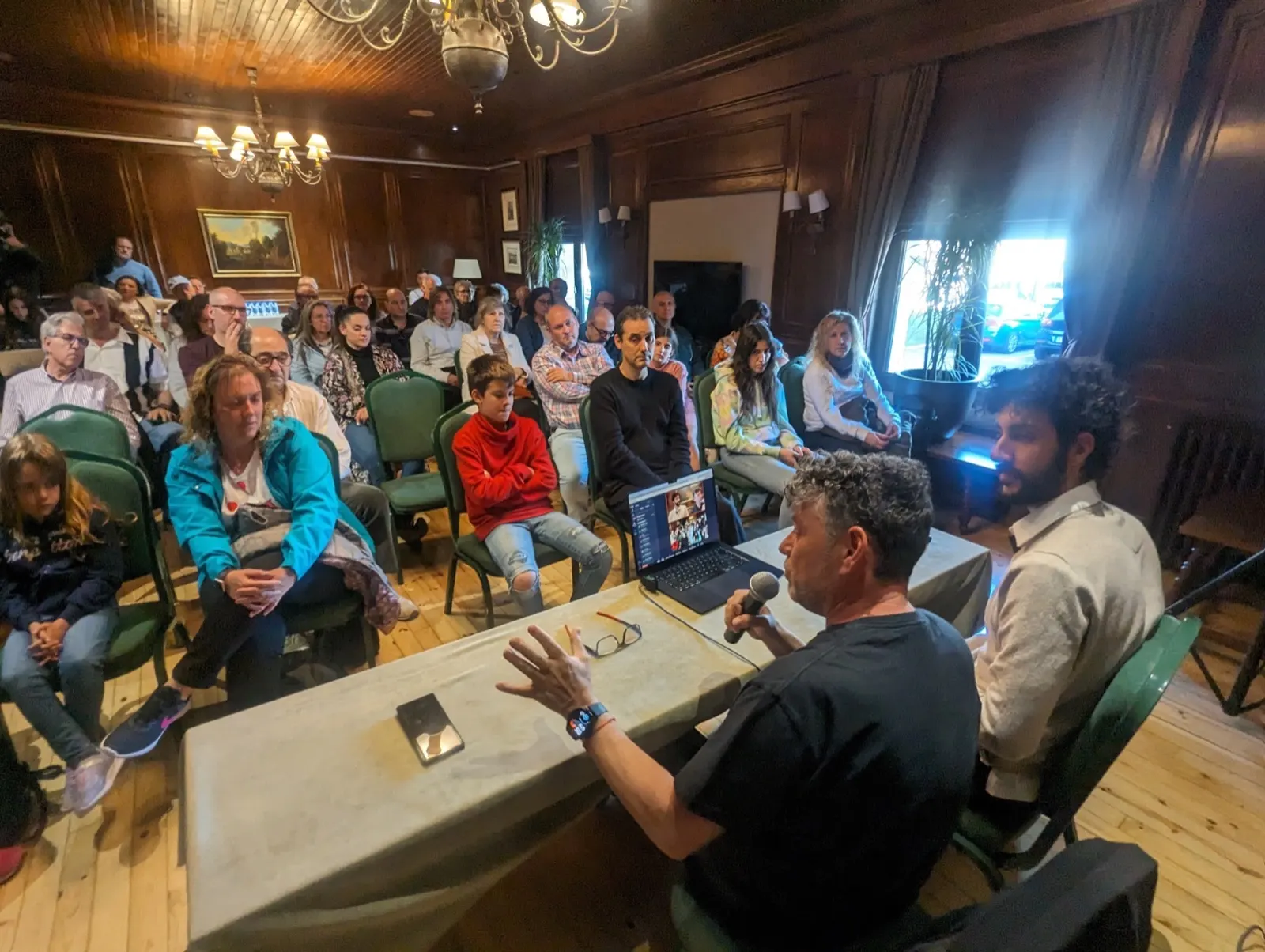
- The close: at the Parador de Cervera de Pisuerga, Eugenio and Paco set out Comunidad Solar's plans in a webinar, before an audience both in the room and online.
Four days later, Comunidad Solar published the video summary of the day on YouTube.
What’s next: a 30-year contract at Ligüérzana and energy communities with Light Humanity
Ligüérzana will go on sharing its output among its community members until the end of the contract. For anyone looking for remote self-consumption, Comunidad Solar is building its next plant in Chiva (Valencia), due to open in 2027 (Comunidad Solar).
- Chiva (Valencia): an agrivoltaic plant of 4.5 MWp, with 6,410 panels and 4.8 MWh of batteries.
- Municipal energy communities: Comunidad Solar brings them together “thanks to the collaboration” of Light Humanity, “a sister association”, Paco Ragageles wrote in May 2024 in the Comunidad Solar help centre.
- In this lab: two of those communities have their own page, Nuevo Baztán and Villalbilla, as does the Comunidad Solar Energy Retailer, which carries the energy through to the electricity bill.
In the media
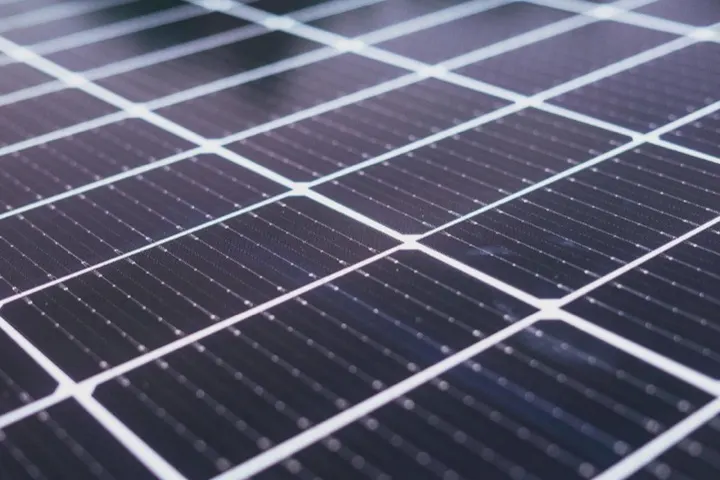 The best way to enjoy energy self-consumption, on better terms than ever, but for a limited time — Diariomotor · 26/09/2024
 “When I discovered the potential of solar energy I decided to become an energy activist”, interview with Eugenio García-Calderón — Energías Renovables · 27/05/2024
 Goparity offers a 6.3% return to micro-investors who want to boost “remote self-consumption” — Energías Renovables · 11/04/2024
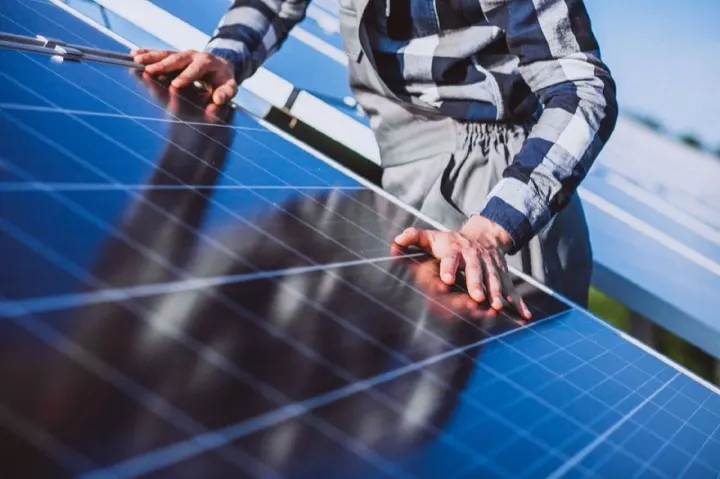 Using solar energy that is far cheaper, without installing panels on your home, is now possible with this ingenious idea — Diariomotor · 12/03/2024
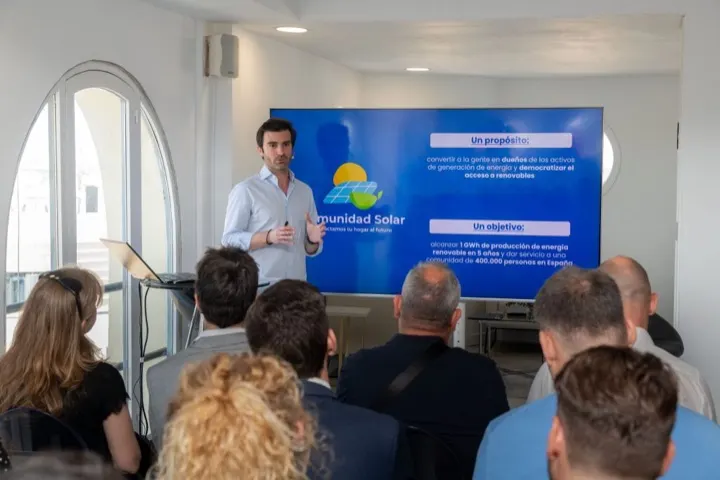 Comunidad Solar presents its remote self-consumption: zero-cost energy for flat dwellers too — Qué! · 01/06/2023
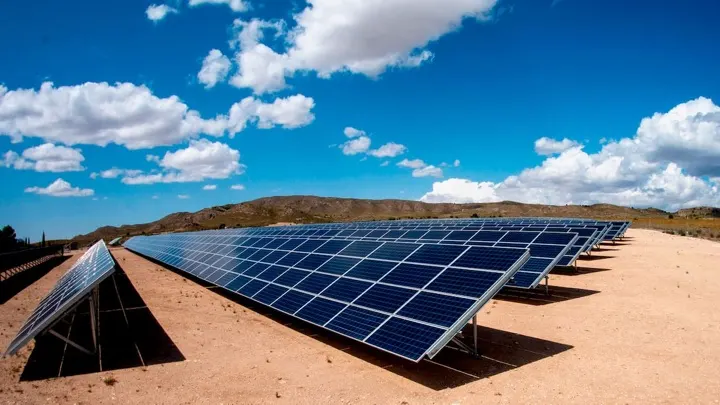 Generating clean energy of your own hundreds of kilometres away: remote self-consumption gains ground among renewables — Cadena SER (Código de Barras, SER Madrid) · 20/04/2023
 Community members’ gathering at the Comunidad Solar hydroelectric plant — Comunidad Solar (help centre) · 22/04/2024
 Sixty-five people, one power plant and 750 sheep — Comunidad Solar (blog) · 20/04/2024
 Ligüérzana · Pisuerga Plant | Remote Self-Consumption — Comunidad Solar · project page