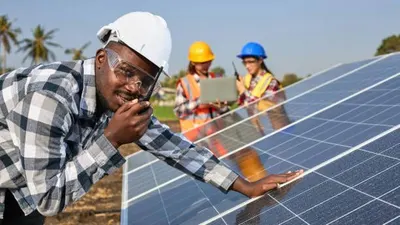
Light for Kenya
Financing of €20,000 for families who need a solar energy system in Kenya through the company RAFODE KENIA
Light for Kenya: €20,000 to bring solar energy to rural families without electricity
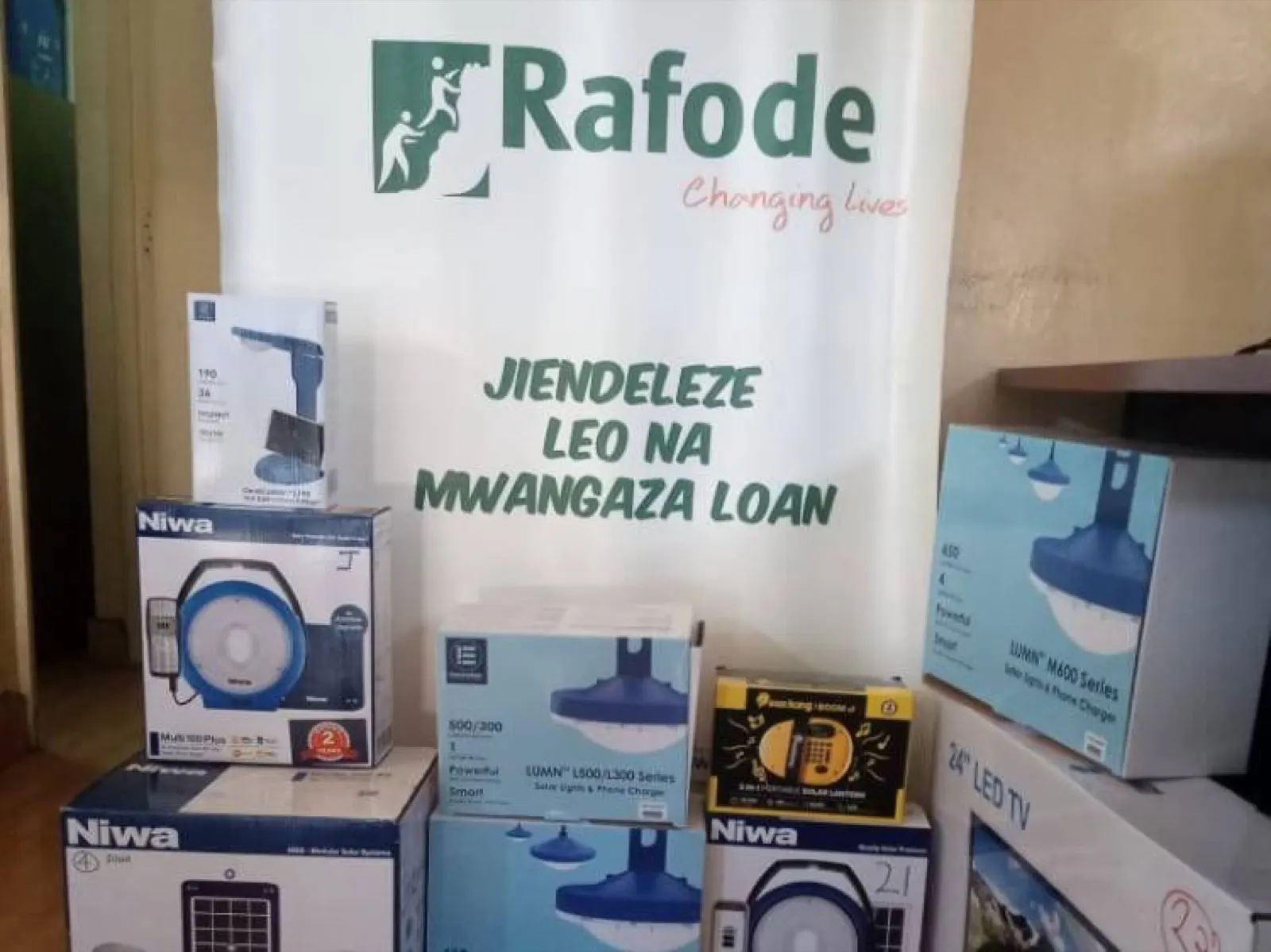
Light Humanity mobilised €20,000 to bring solar energy to rural families in Kenya without electricity. It did so through Rafode, a social enterprise in Kisumu that finances the equipment with microcredit and borrowed from the community of Solar Crowd, the NGO's crowdinvesting platform.
- What it is: financing so that rural families in Kenya without electricity can have a solar energy system.
- Where: rural areas of Kenya; the second campaign, in Kisumu, where Rafode has its headquarters.
- Partners: Rafode, a Kenyan microcredit and solar energy organization, and the lenders on Solar Crowd.
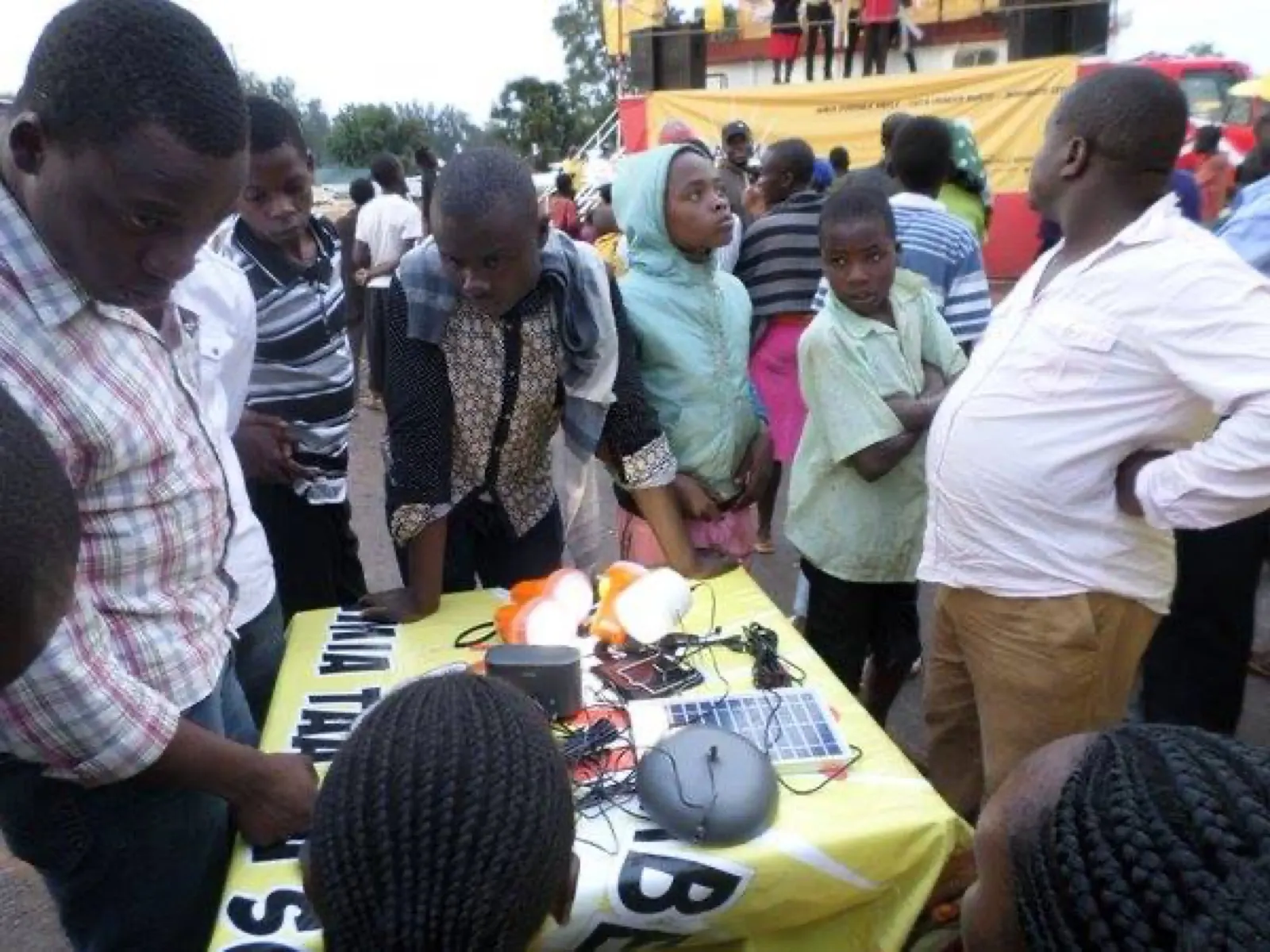
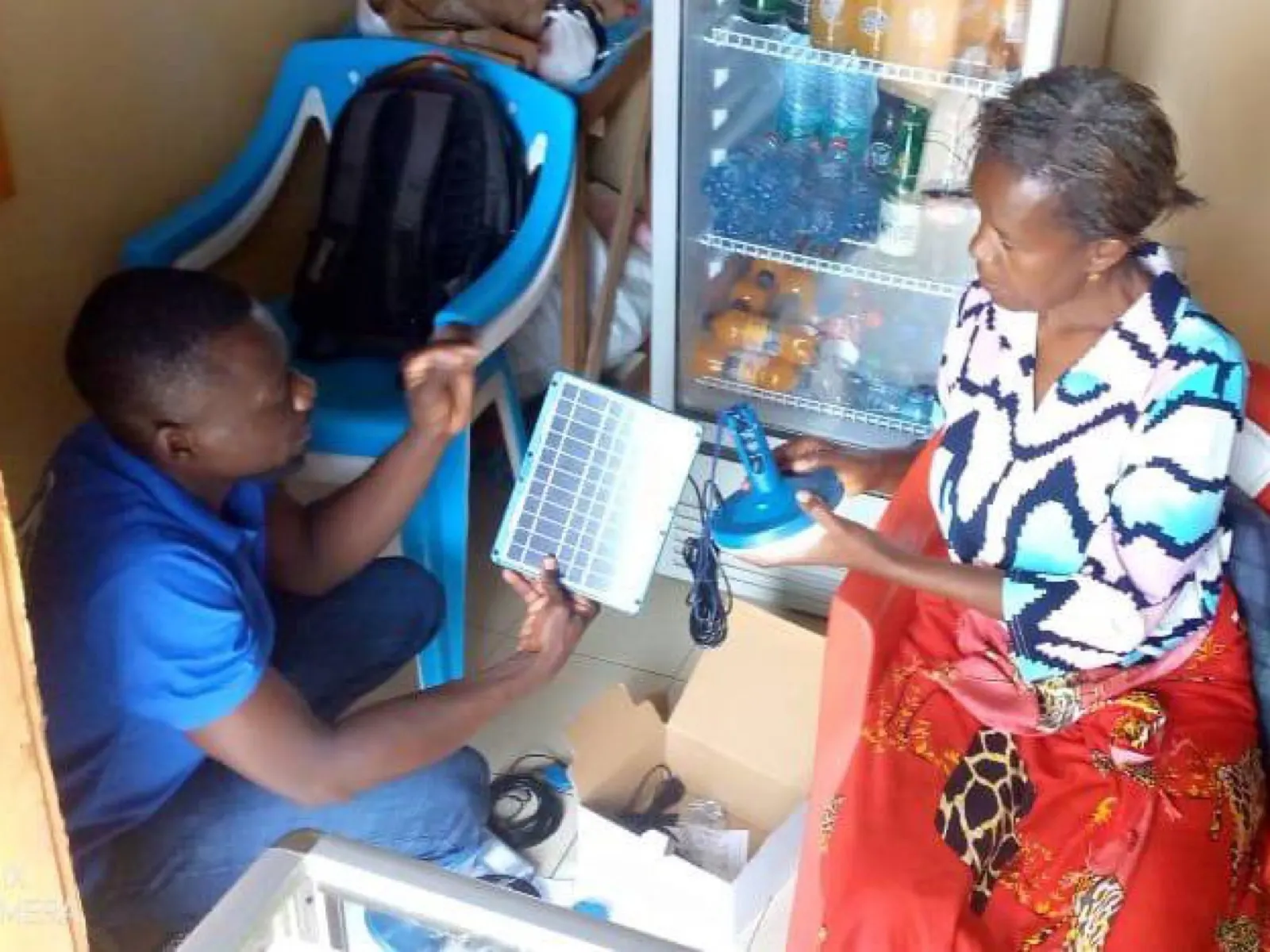
- How: Rafode finances the equipment for families, who pay for it month by month; a prepaid system unlocks it with each installment.
- For whom: rural households without electricity, more than 1,000 in the first campaign and more than 1,500 in the second.
- Outcome: project completed; after the first loan, Rafode returned to Solar Crowd with a second campaign.
- Who drove it: Eugenio García-Calderón Huerta, founder of Light Humanity and CEO of Solar Crowd.

From Cañada Real to Kenya: Light Humanity's solar loans
After more than four years bringing solar energy to remote areas such as the Brazilian Amazon (Light of the Amazon), Light Humanity discovered the potential of crowdfunding. That led to Solar Crowd, which connects individuals who want to invest with solar projects of high social impact (Funds Society).
- The precedent: loans from its community, over two or three years and at 0%, 2% or 4%, financed solar installations in Madrid's Cañada Real (Energías Renovables).
- Launch: at the end of 2022, with lenders choosing an annual return of between 0% and 6% (Energías Renovables).
- First results: by June 2023, Solar Crowd had already supported more than 20,000 people in Kenya, Colombia, Spain and Honduras (Energías Renovables).
“We want everyone, regardless of their savings, to be able to invest from 100 euros in safe projects that improve people's living conditions and also generate a financial return” — Eugenio García-Calderón Huerta, CEO and co-founder of Solar Crowd (Funds Society)
Energy poverty in Kenya: one in four people without electricity
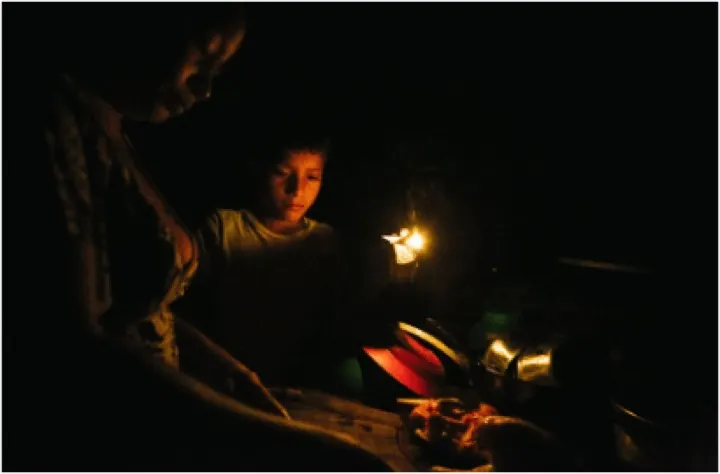
According to the World Bank, in 2023 almost one in four people in Kenya (24%) still had no electricity; in rural areas, almost one in three (32%).
- The barrier is not technical: what is missing is loans on good terms for solar companies and microcredit to help families pay for the system.
- The way out: paying for the equipment month by month with what is saved on fuel, as Light Humanity explained in its 2023 campaign.
“Access to solar energy in the world's most remote and vulnerable regions is no longer a technological challenge, but a financial one” — Arturo Rubio, co-founder and head of projects at Solar Crowd (Energías Renovables)
Rafode: microcredit and solar energy from Kisumu for rural Kenya
The partner in Kenya was Rafode, a social enterprise working to electrify the most remote rural areas by combining credit with solar energy. It has its offices in the port city of Kisumu and, according to Solar Crowd, has given more than 35,000 people access to solar systems through microcredit.
- Who leads it: Antony Mayodi, co-founder and CEO, with 15 years of experience in microfinance.
- How it reduces risk: it forms micro-savings groups of ten people who guarantee one another; if someone cannot pay, the others cover the difference.
- Its track record: it had obtained public financing, from Kenya's Ministry of Energy, and private financing, from Charm Impact.
- Its network: it is a non-deposit-taking credit institution with branches in twelve counties, from Kisumu to Turkana (Rafode website).
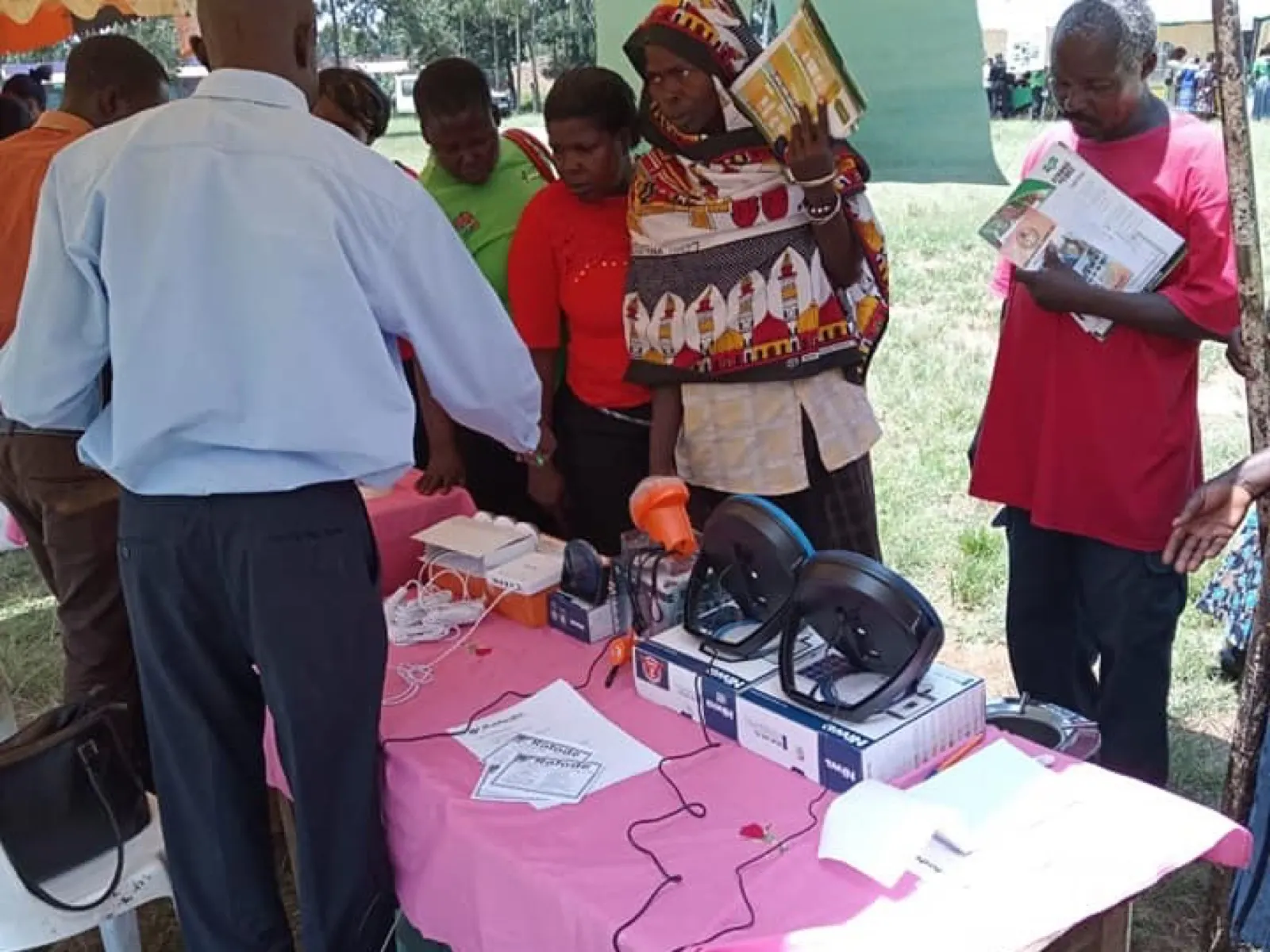
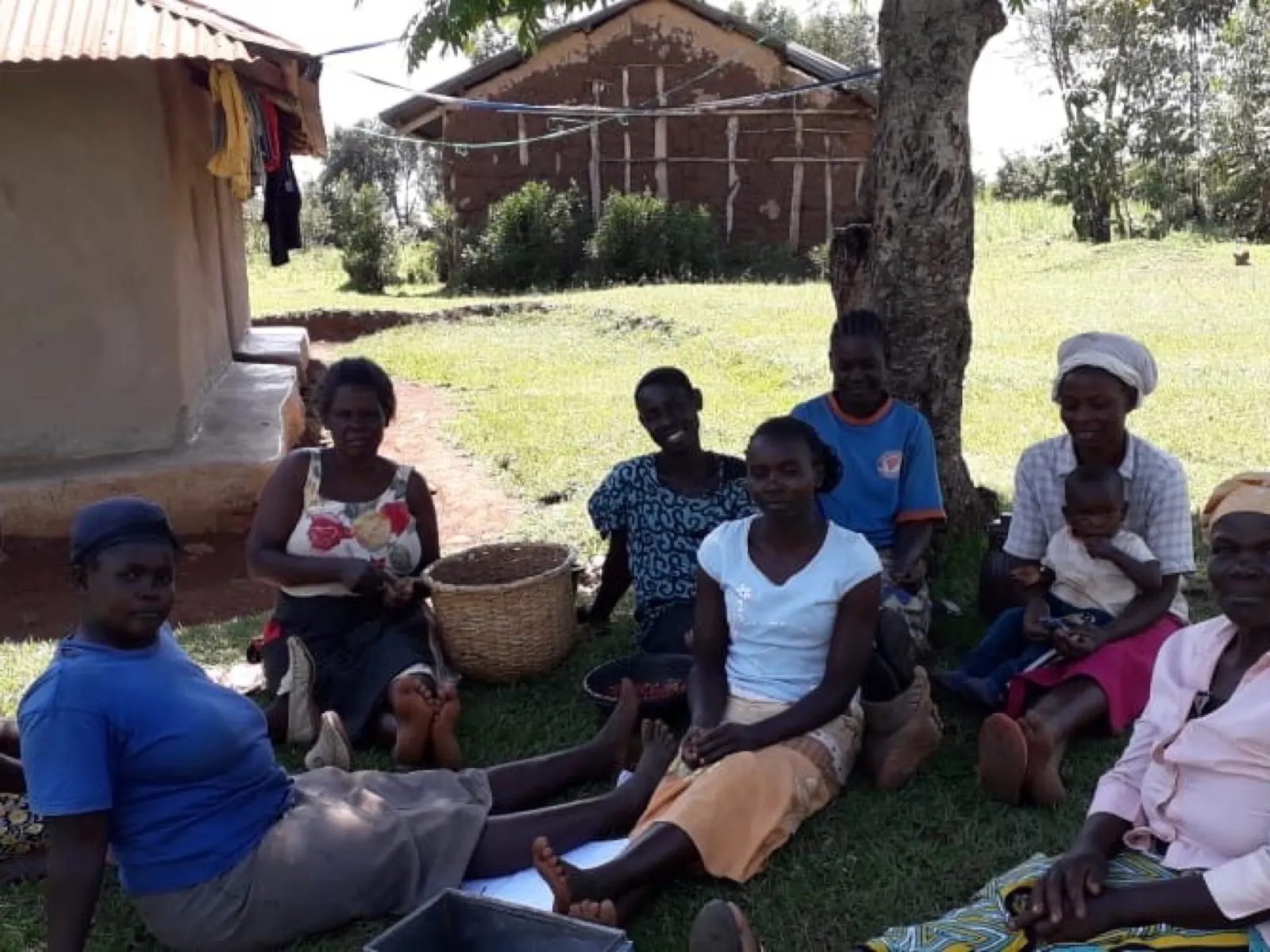
First loan: solar energy in Kenya for more than 1,000 rural households
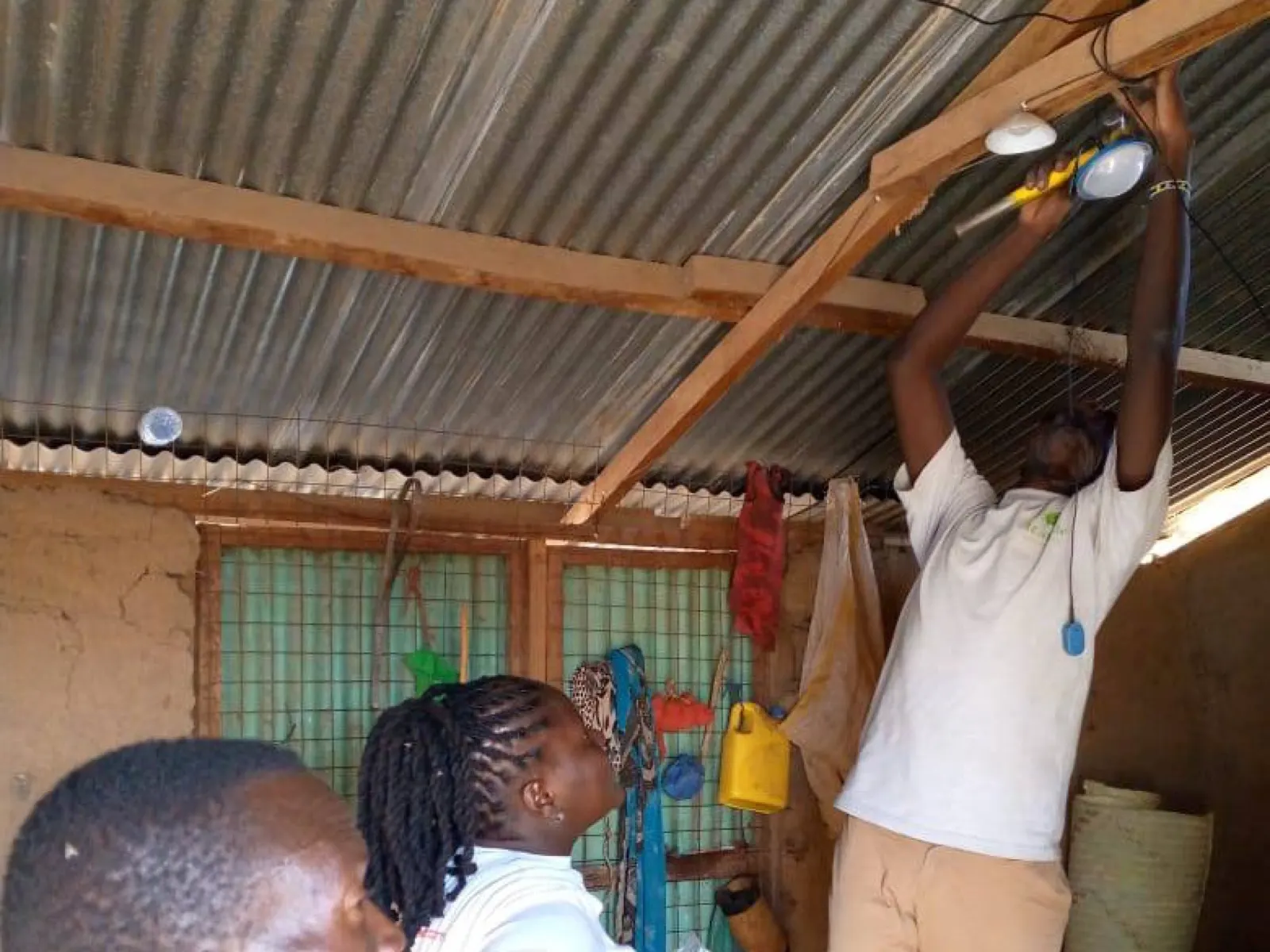
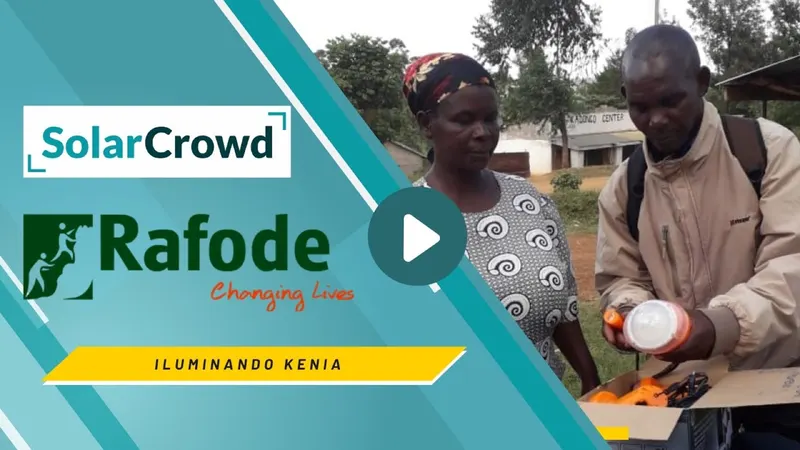
Rafode launched a crowd-investment campaign on Solar Crowd to receive a loan and finance solar energy for more than 1,000 rural households without electricity. The platform presented it on video on 25 May 2023 with one goal: to bring solar energy to more than 5,000 vulnerable people in remote and rural areas (loan details).
- Capacity: 60,000 watts of solar power to be installed.
- Climate: 154 tons of CO₂ avoided each year, according to the forecast in the loan details.
- Payment in installments: each unit has a prepaid system (PAYGO) that unlocks when the family pays its monthly installment.
A 70% guarantee, prepayment and senior debt: how lenders were protected
Lending to a company on another continent carries risks. Solar Crowd scores each project from 0 to 100 and publishes only those that reach 60: Rafode scored between 75 and 85 points in the six areas assessed (loan details).
- Double guarantee: Rafode deposited 6% of the total loan and Solar Crowd guaranteed 70% of the capital with its own guarantee reserve.
- Senior debt: repayment to Solar Crowd took priority over Rafode's other debts.
- Unlimited personal guarantee: Rafode would be liable with all its resources and assets if it could not pay.
- Convertible note: anyone lending 500 euros or more could convert their debt into Rafode shares if the company breached the agreement.
Rafode's second campaign: solar energy for more than 1,500 households in Kisumu
Rafode returned to Solar Crowd with a second crowd-investment campaign, this time to finance solar energy for more than 1,500 rural households without electricity in Kisumu (second loan details).
- The same guarantees: a 70% guarantee, a 6% deposit, a prepaid system and micro-savings groups whose members guarantee one another.
- The step up: from more than 1,000 households in the first campaign to more than 1,500 in the second.
The Light Humanity Fund also set out to finance Rafode
In 2023, Light Humanity sought support on the Fundación Triodos crowdfunding platform for its Light Humanity Fund: donations that become interest-free loans and that, once repaid, are lent to another family. Its optimum target, €35,000, included financing Rafode to bring electricity to 5,000 people in rural Kenya.
- The goal, in 2023: to reach more than 200,000 people in energy poverty with loans by 2026.
- The campaign: it ended with €2,927, 23% of the 12,500 minimum; the Rafode tranche depended on the optimum target of €35,000.
- More projects: in 2024, Energías Renovables cited Kenya, along with Honduras and Colombia, among Light Humanity's electrification projects (Light for Honduras, Light of La Guajira).
In the media
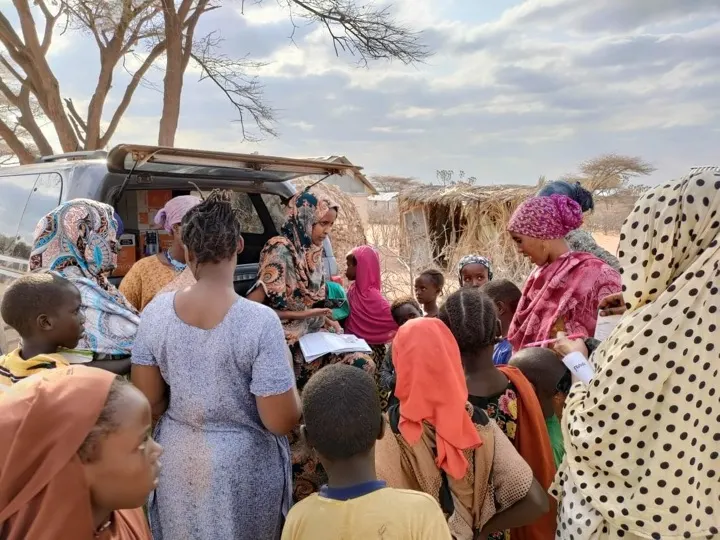 Rafode - Kenya loan: first campaign, more than 1,000 households — Solar Crowd
 Rafode - Kenya loan: second campaign, more than 1,500 households in Kisumu — Solar Crowd
 Solar Crowd launches a crowdfunding campaign in Honduras — Energías Renovables · 21/06/2023
 Solar Crowd will finance solar energy for 30,000 people living in energy poverty in Honduras — Funds Society · 19/06/2023
 When I discovered the potential of solar energy I decided to become an energy activist — Energías Renovables · 27/05/2024