Casa Nueva Sagunto
Solar energy for a home for vulnerable people in Sagunto
24-hour solar energy for La Casa Nueva, a shelter in Sagunto
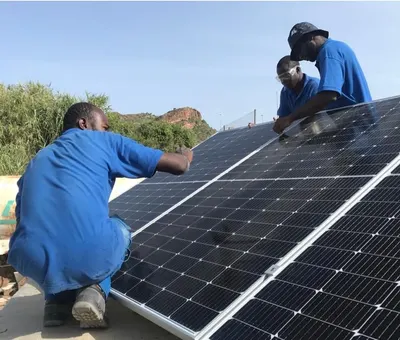
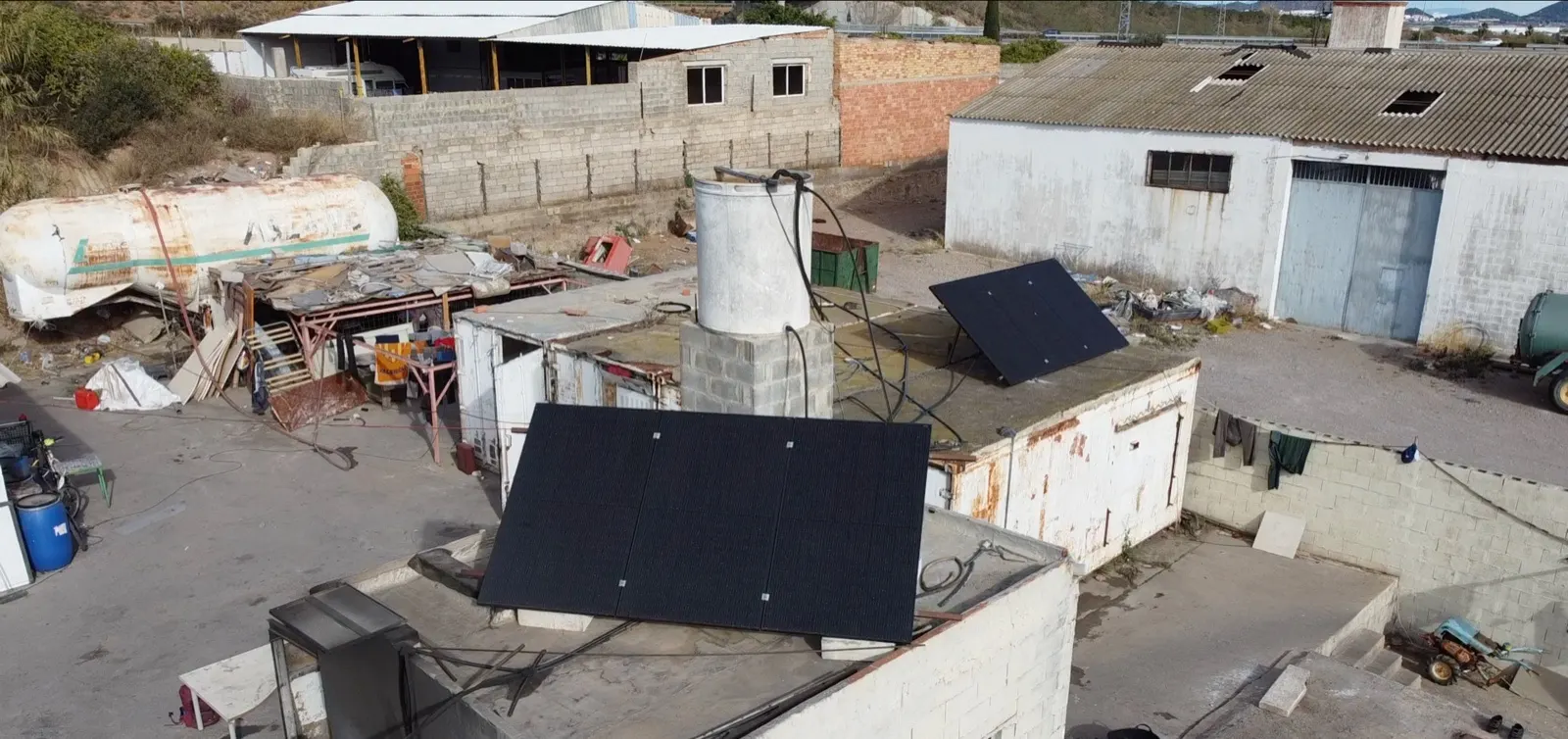
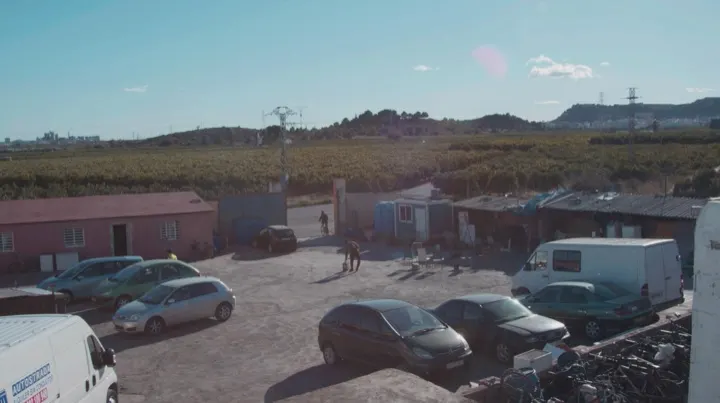
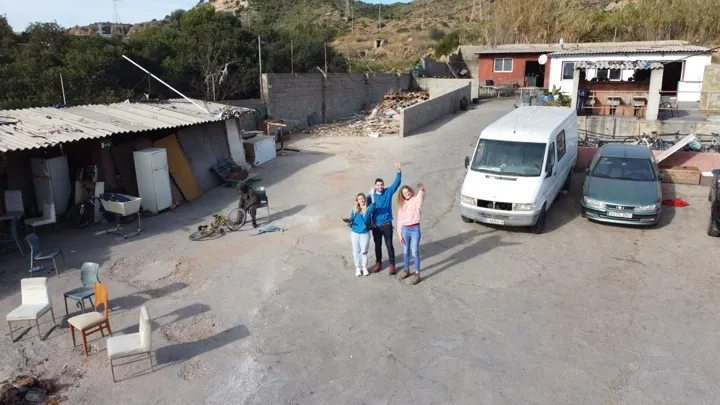
In early 2022, La Casa Nueva, a shelter for about 50 migrants in Sagunto (Valencia), already had electricity 24 hours a day thanks to Light Humanity's solar panels and batteries; until then it had relied on a petrol generator. That energy also drove the pump that provided pressure for the filter with which The Social Water brought drinking water to the centre.
- What it is: a solar installation with batteries to provide electricity 24 hours a day at La Casa Nueva, a hostel for migrants that had no electricity supply.
- Where: in Sagunto (Valencia), on the Camí de Sagunto a les Valls.
- Who it's for: about 50 migrants from African countries such as Mali, Senegal and Ghana.
- Partners: the La Casa Nueva association and Fundación The Social Water, which brought in drinking water.
- How: with Light Humanity's “triple solution”: solar energy, collective financing and training for the residents.
- Result: electricity day and night and, with The Social Water's filter, drinking water from the tap after more than 15 years without it.
- What remained (2022 plan): fridges and washing machines, a 4-week solar installer course and support for starting businesses in the residents' home countries.
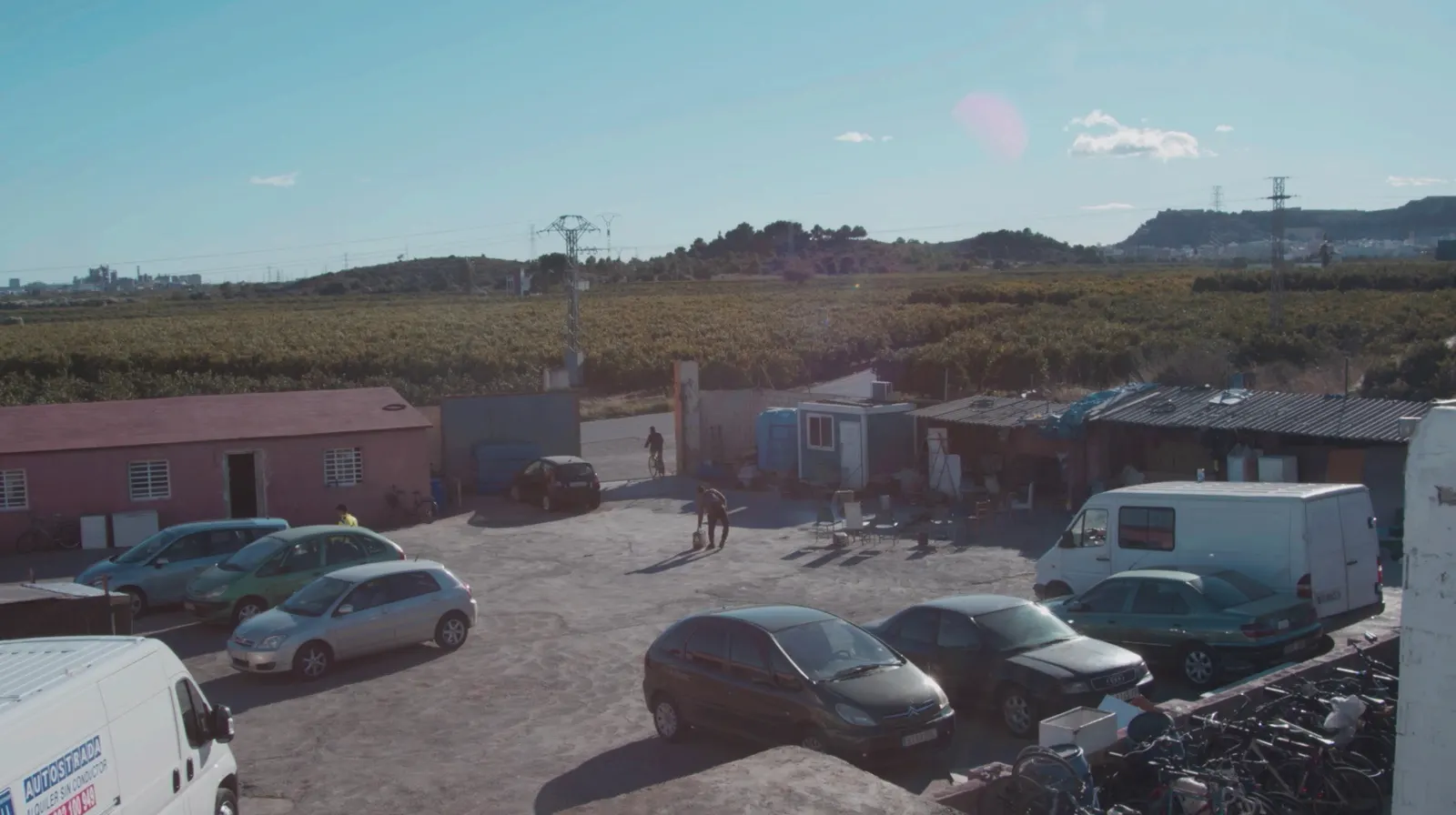
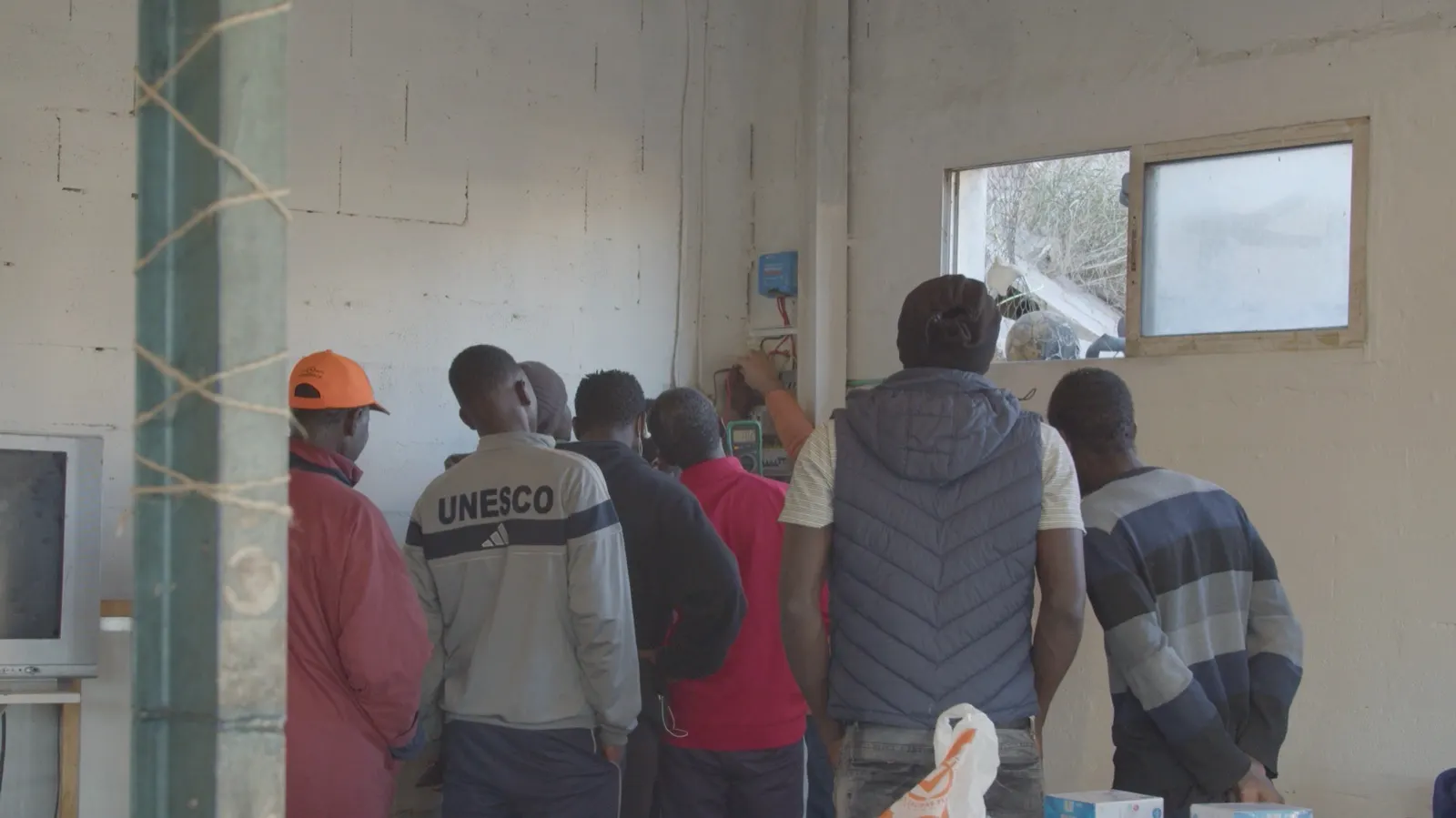

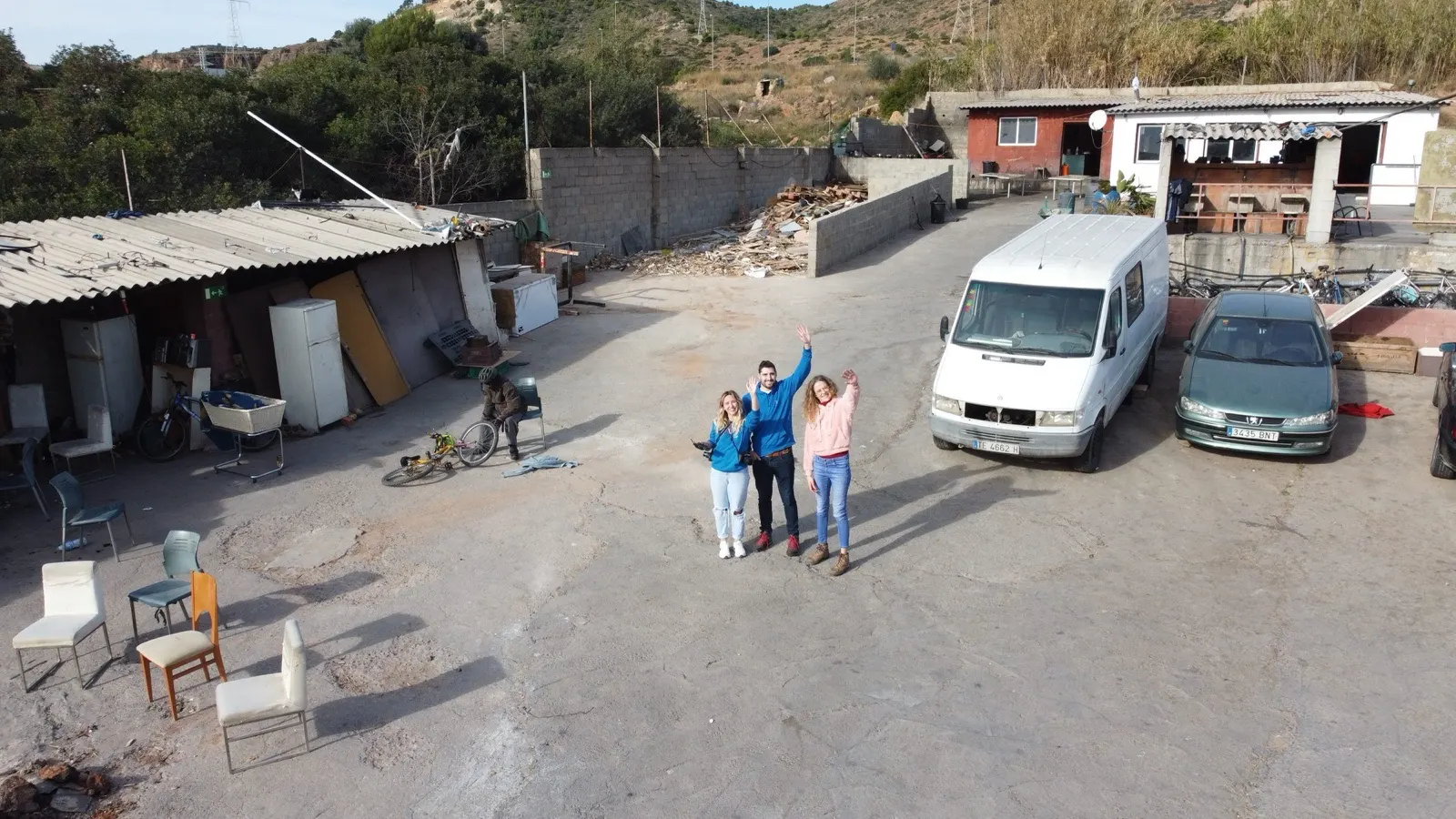
La Casa Nueva, a shelter in Sagunto with 80 places for migrants
Every year, thousands of migrants leave African countries such as Senegal, Ghana and Mali bound for Europe. Some end up in precarious, temporary farm work, as in the orange groves of Sagunto, Light Humanity reported in 2022.
- 80 places: La Casa Nueva, “a citizen-led solidarity initiative” according to Light Humanity, is a temporary shelter for immigrants from sub-Saharan Africa; in November 2021, 55 people were living there, according to The Social Water.
- More than a roof: the La Casa Nueva association organises workshops, talks at schools and the “Con Otra Mirada” charity race; the Asociación Grupo Espiga helps to run the centre.
No electricity or drinking water: a petrol generator and water from a tanker
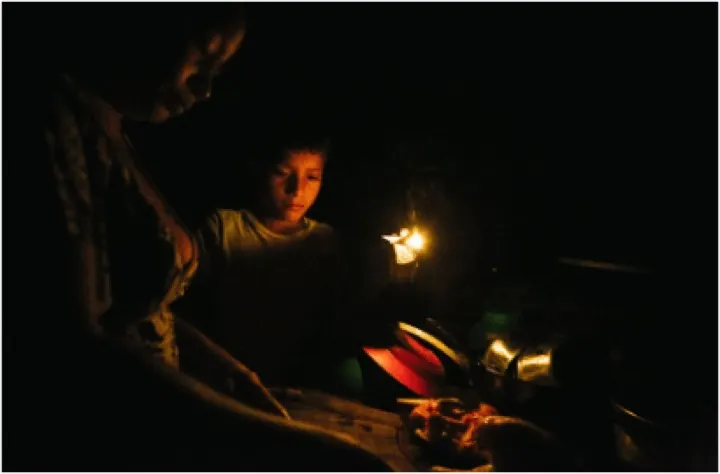
Until the solar panels arrived, the residents of La Casa Nueva had no electricity supply. To get a few hours of electricity a day they used a petrol generator that Light Humanity described as “inefficient, costly and polluting”.
- From 4 or 5 hours to 24: that is how a graphic in the Light Humanity video sums it up: the generator gave 4 or 5 hours of electricity; the solar installation, all 24.
- Water from a tank: water came from a 20,000-litre tank that Sagunto Town Council refilled with a tanker lorry (Amwaj Alliance).
- Not drinkable: the Ambientalys laboratory found bacteria and pathogens; the only solution until then was to buy bottled water.
Light Humanity's “triple solution”: solar energy, financing and training
In Sagunto, Light Humanity applied the method used in all its energy access programmes, such as Cañada Solar. It financed photovoltaic systems for groups with few resources, “adapting the method of payment so that no one is left behind”.
- Energy: a photovoltaic system with storage to provide electricity 24 hours a day, in exchange for small monthly instalments.
- Financing: according to a caption in the Light Humanity video, the installation “was made possible by collective solar loans”; it was possible to lend from €300, over five years and with up to 4% annual interest (Light Humanity).
- Guarantee: Light Humanity guaranteed 50% of each loan thanks to members, donors and income from its Solidarity Solar Shop.
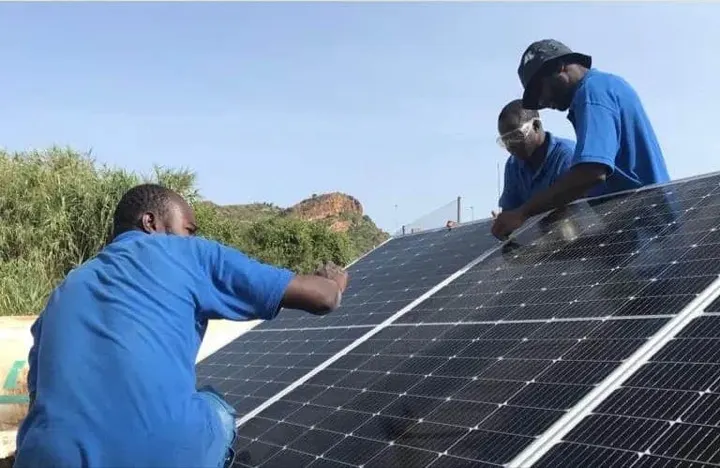
- Training: practical, so that the residents themselves could take care of maintenance.
February 2022: solar panels up and running and residents trained at La Casa Nueva
In February 2022, Light Humanity declared the first two phases complete of the “La Casa Nueva Energy Community”. On the 16th it told the story in a YouTube video.
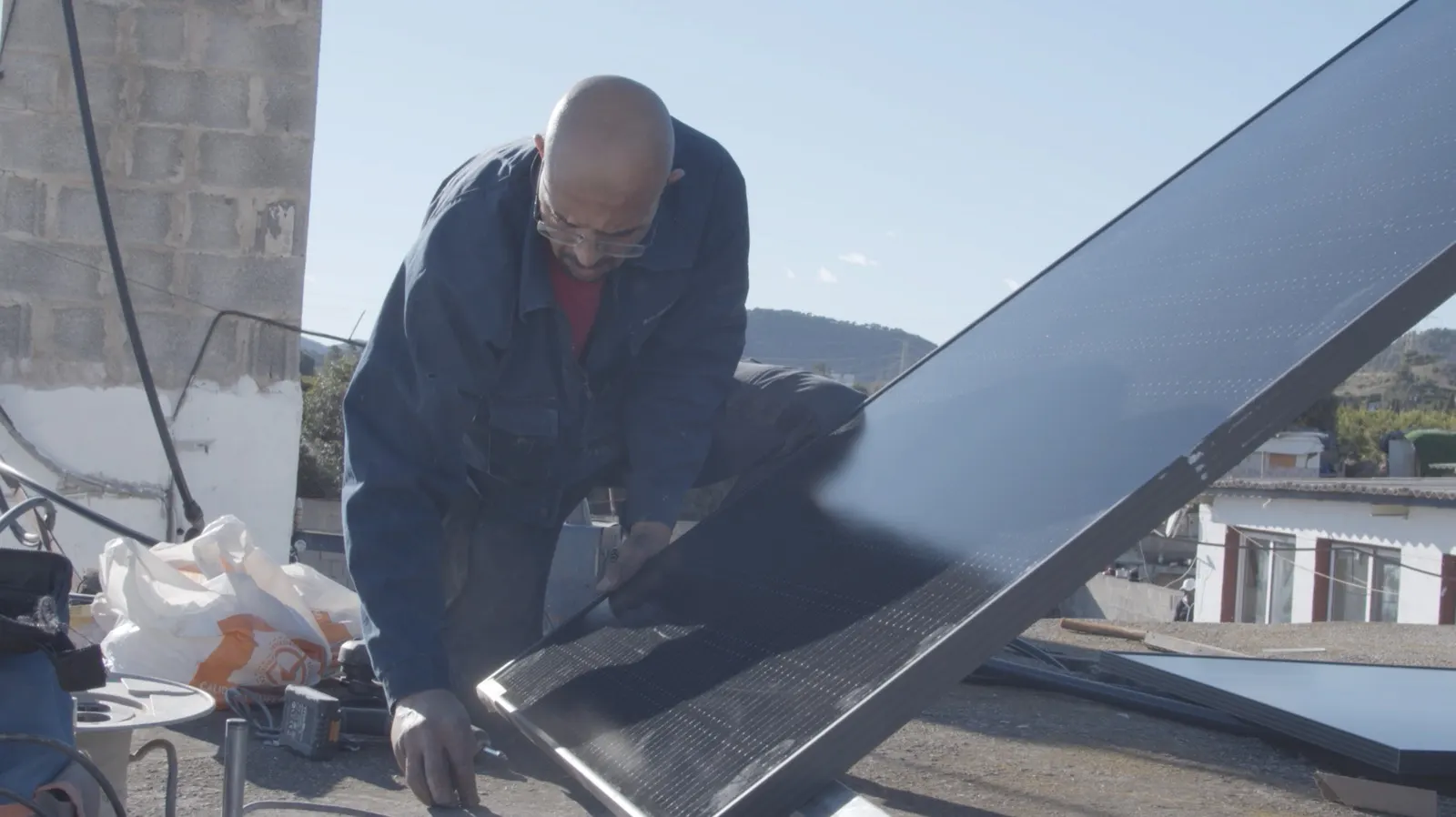
- Phase 1: installation and commissioning of the photovoltaic system with storage.
- Phase 2: basic training so that residents could learn, take part in the installation and maintain it afterwards.
- Why batteries: they store the sun's energy so that there is electricity at night too.
Drinking water at La Casa Nueva after more than 15 years: The Social Water's filter and a solar pump
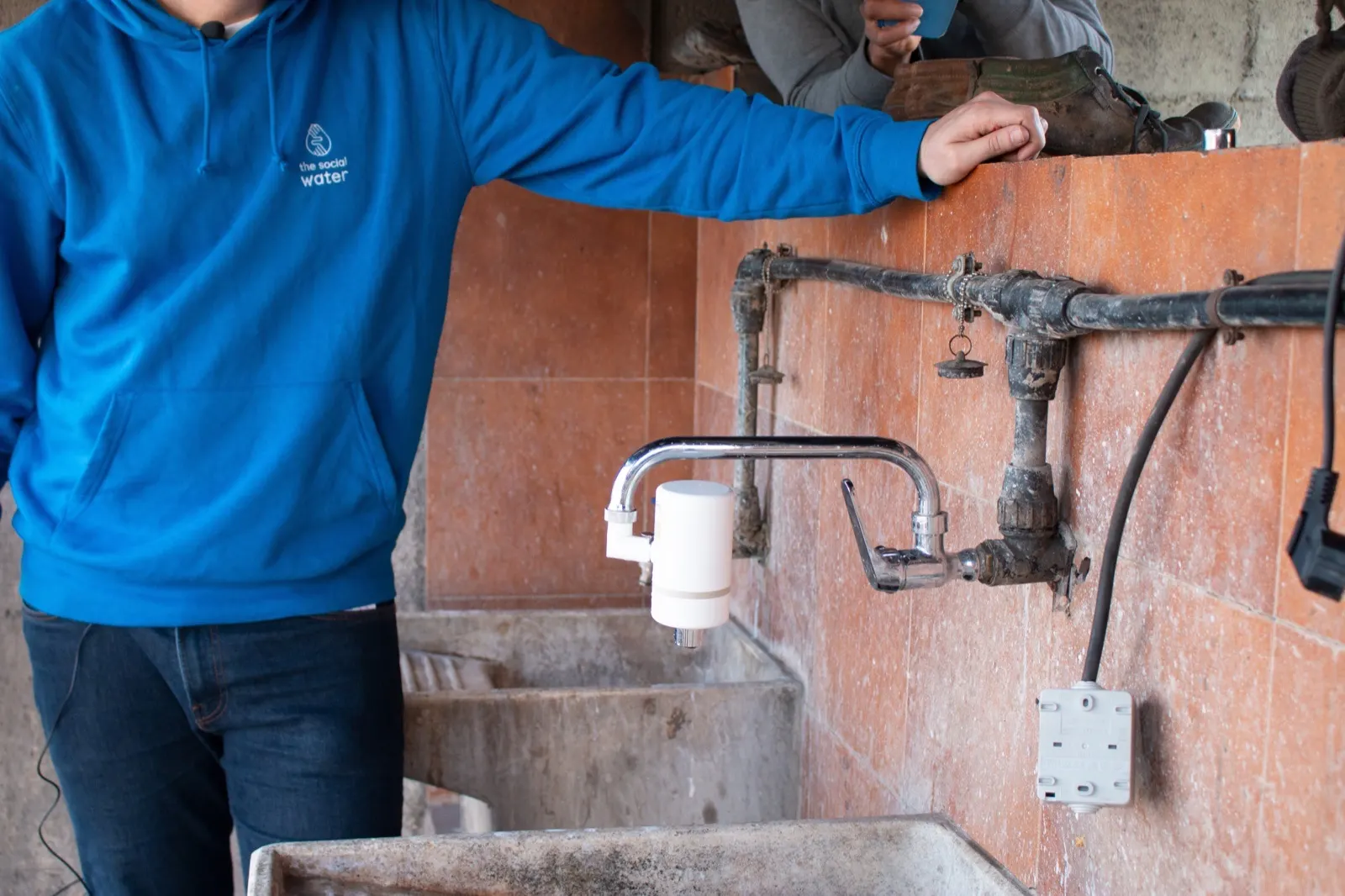
With electricity came drinking water too. Fundación The Social Water installed its Social Tap filter, which removes 99.99% of bacteria and parasites, but the tap lacked pressure. A pump was needed, and the pump needed the energy from Light Humanity's panels (Amwaj Alliance).
“To carry out this work, it was also necessary to install a pressure pump, driven by the solar system installed by our friends at Light Human[i]ty” — Fundación The Social Water, 7 February 2022 (YouTube)
- A joint effort: the La Casa Nueva association, Ayuda Una Familia and Arquitectura Sin Fronteras worked with The Social Water.
- Environmental impact: with filtered water from the tap, the centre would stop buying bottled water.
Phases 3 to 5, still pending in 2022: fridges, washing machines and a solar installer course
- Phase 3: more training and a larger installation to add fridges, washing machines and other appliances.
- Phase 4: a grant, work placements and Light Humanity's 4-week photovoltaic installer course for a group of residents.
- Phase 5: tools so that those trained could start businesses in their home countries, “bringing light to areas without electricity”.
To continue with phases 3 and 4, Light Humanity was seeking loans and donations. It also wanted to create technical, economic and social tools to replicate the project elsewhere in Spain in similar situations.
From Sagunto to Madrid and Toledo: solar energy for shelters
Light Humanity, the NGO founded by Eugenio García-Calderón Huerta, also brought solar energy to other shelters: Lázaro Solar Home, in Madrid, and Zaqueo Solar Centre, in Toledo.
- February 2023: according to El Referente, Solar Crowd, the lending platform promoted by Light Humanity and launched at the end of 2022, had “provided energy access to social centres in Sagunto and Fundación Lázaro”.
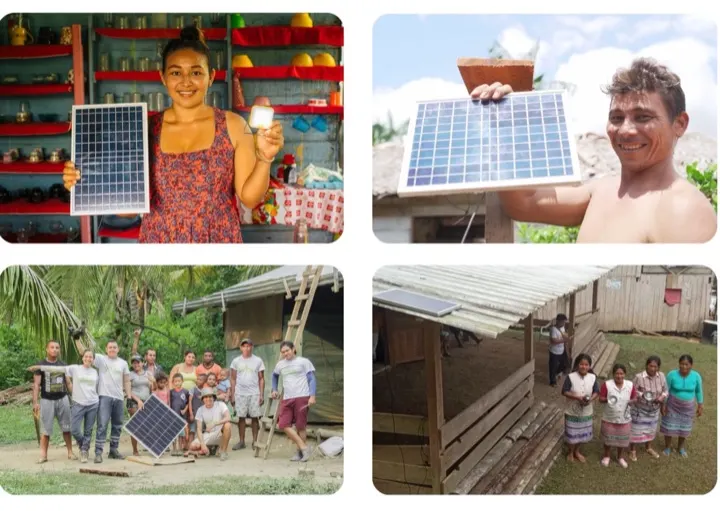
- June 2023: when presenting its campaign for Honduras, Solar Crowd again cited Sagunto among its projects in Spain (Energías Renovables; Funds Society).
- November 2023: in a feature on energy poverty, Xataka listed Sagunto among the places Light Humanity's energy had reached, along with the Cañada Real, Toledo, shelters in Madrid and the Amazon.
“The thing is, we've already done installations at a shelter in Sagunto, at Fundación Lázaro in Madrid, which takes in homeless people. In Toledo.” — Eugenio García-Calderón, founder of Light Humanity (Energías Renovables, 2024)
In the media
 Installation of the Social Tap filter at La Casa Nueva, Sagunto (Valencia) — YouTube – Fundación The Social Water · 07/02/2022
 Light of La Casa Nueva — Light Humanity (website archived on the Wayback Machine) · 19/02/2022
 Non-potable Water in Spain: La Casa Nueva — Amwaj Alliance · 13/07/2022
 Solar Crowd will finance solar energy for millions of people — El Referente · 28/02/2023
 Solar Crowd will finance solar energy for 30,000 people living in energy poverty in Honduras — Funds Society · 19/06/2023
 Solar Crowd launches a crowdfunding campaign in Honduras — Energías Renovables · 21/06/2023
 Light Humanity's solar revolution: panels and renewable energy against energy poverty — Xataka · 10/11/2023
 When I discovered the potential of solar energy I decided to become an energy activist — Energías Renovables · 27/05/2024