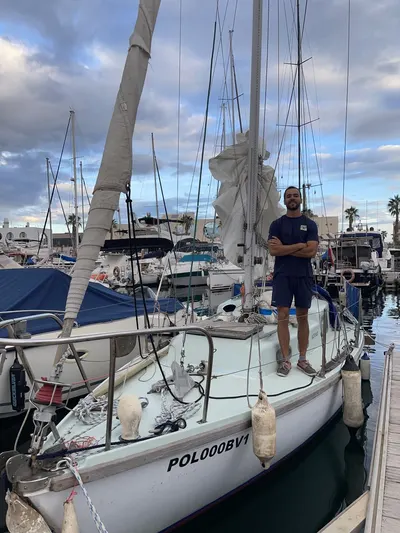
Electric Solar Boat
Development of an affordable electric vessel with solar panels, able to safely carry 20 passengers along the Amazon River
Light Humanity is developing an electric solar boat for 20 passengers on the River Amazon
Since 2024, Light Humanity has been working on an affordable, safe solar electric boat for 20 passengers on the Amazon River. The NGO has been proposing solar boats since 2020: in Breves (Brazil), where it has distributed solar lamps, it saw that the school boat stopped running when the fuel ran out, leaving children without lessons.
- The problem: in the Amazon, rivers serve as roads and boats run on fossil fuels; in 2020, Light Humanity reported that the school boat stopped running when there was no money for fuel.
- Where: on the Amazon River. Light Humanity knows the Brazilian Amazon: through Light of the Amazon it has brought solar energy to riverside families in Breves (Pará).
- Who: it is led by Vicente Cano, an engineer specialising in agriculture and mechanics, and Eugenio García-Calderón Huerta, founder of Light Humanity.
- Where it comes from: in 2020, Light Humanity announced a solar boat with the Kara Solar foundation, and in 2021 it set out to develop a prototype for the Amazon.
- The 2021 plan: start with pedal boats, then add motors powered by solar panels and end up with a 100% solar electric boat, as Eugenio García-Calderón told Yorokobu.
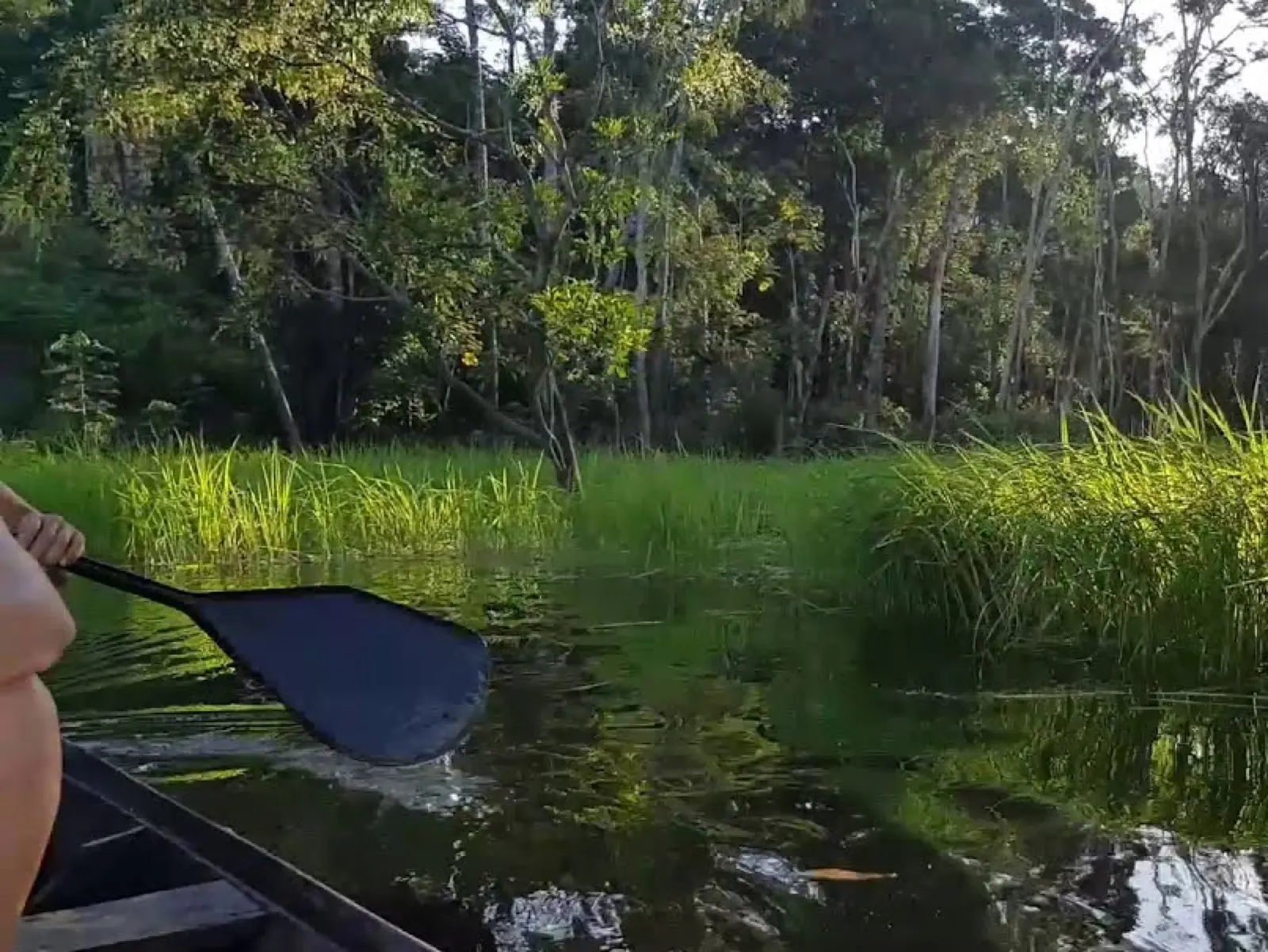
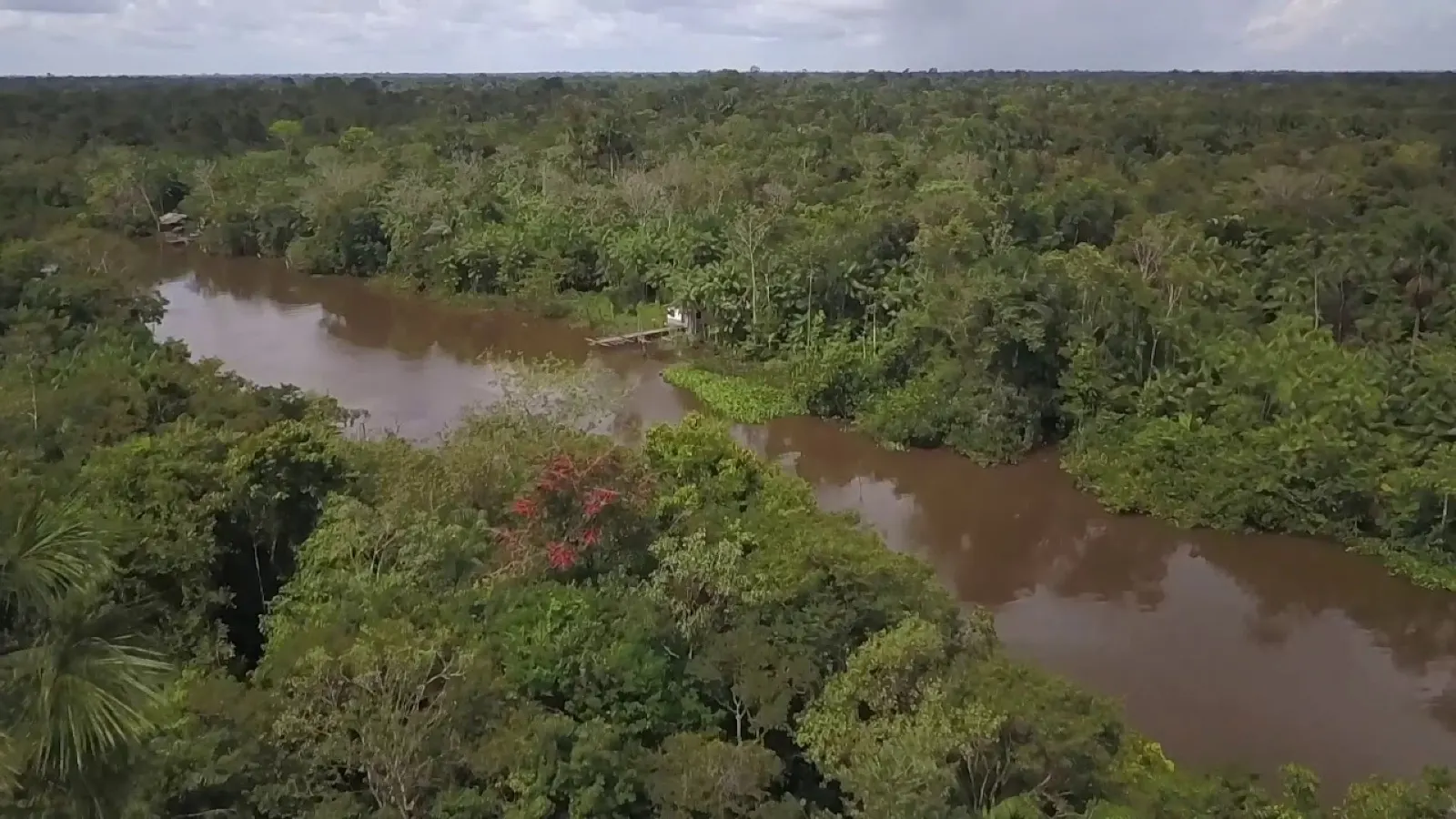
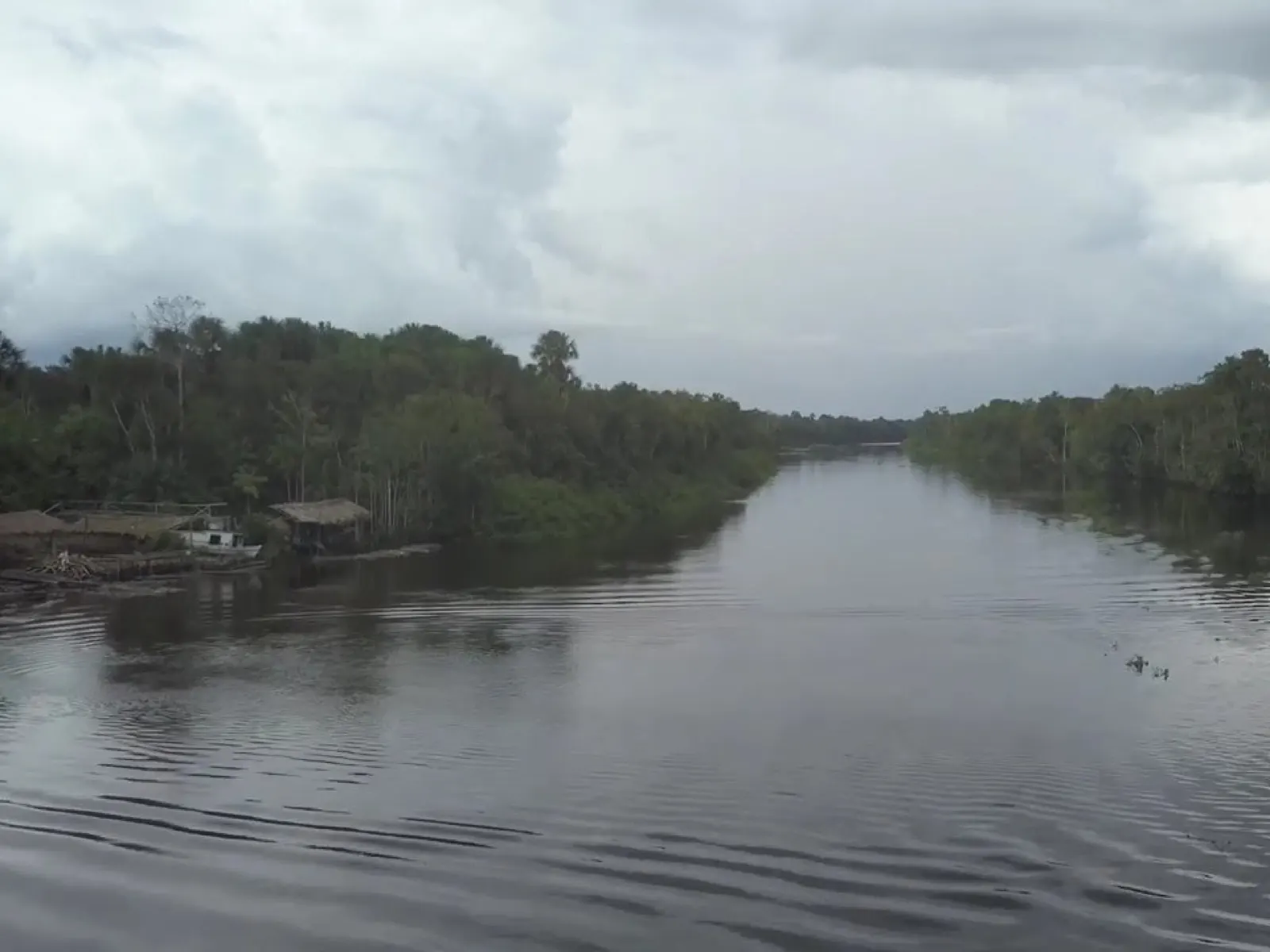
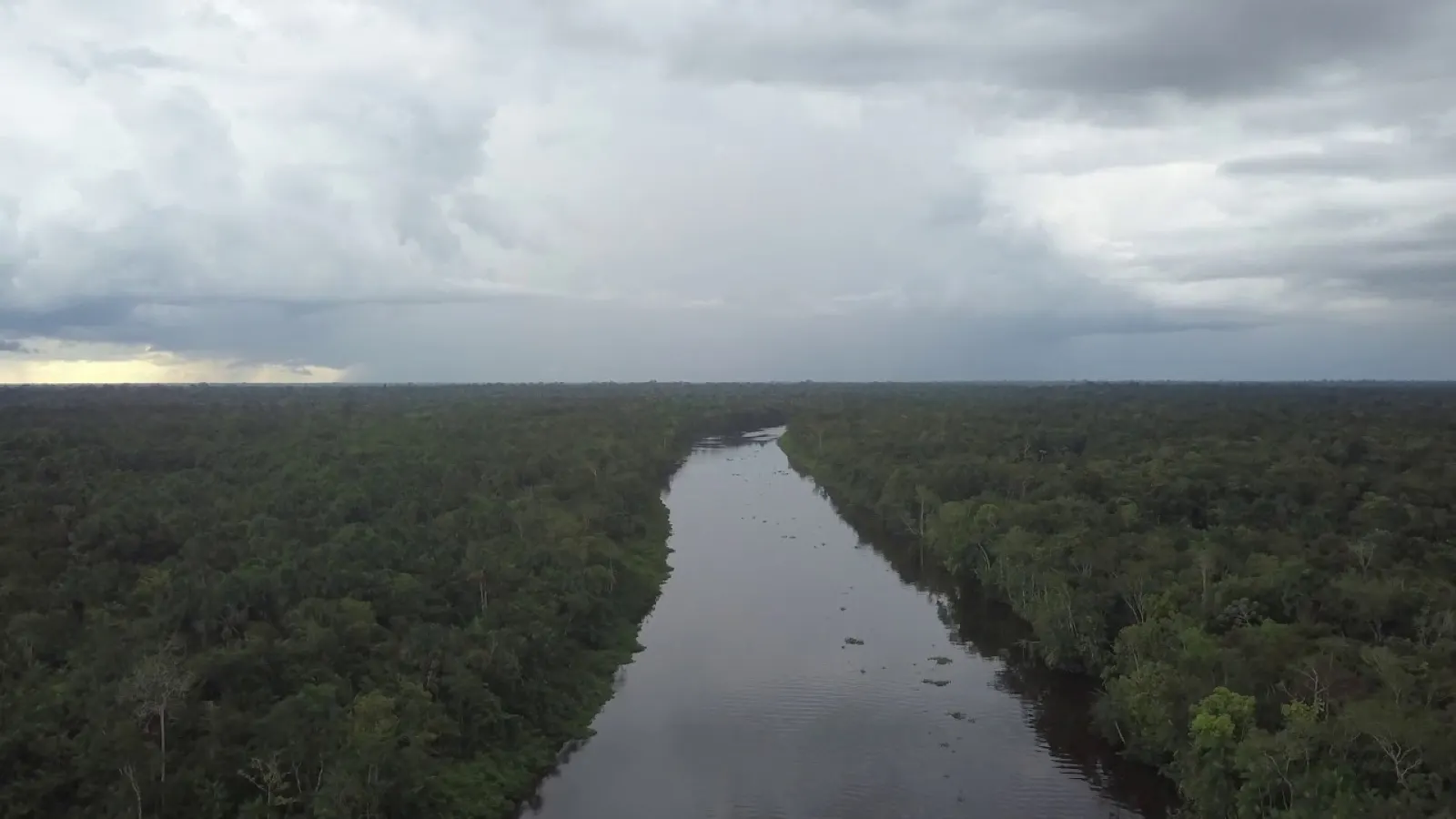

In Breves, the school boat stopped when the fuel ran out
Breves is a municipality in the state of Pará, in northern Brazil, where Light Humanity has distributed solar lamps through Light of the Amazon. There, as the Blog de Lenovo reported in 2021, daily life depended on fossil fuels: they powered the boats that linked the villages.
- No budget: in June 2020, Eugenio García-Calderón told EFE that school boats in the Brazilian Amazon could not pay for a full month's fuel: at the end of the month they stopped their runs and the children stopped going to school.
- By mid-month: according to Yorokobu (May 2021), the fuel ran out around the middle of the month and pupils did not return to class until money was found to buy more.
2020: Light Humanity announces a solar boat to sail some 5,000 km along the Amazon
In an interview with EFEverde by María Lourdes Uquillas, dated 11 June 2020, Eugenio García-Calderón Huerta announced a solar boat. He wanted to do on the river what he had done on land with his solar bicycle on Solar Pedalling, the tour of Spain with which he championed solar energy.
- Who with: Kara Solar, a foundation that builds solar canoes with the Achuar people in the Ecuadorian Amazon.
- The route: about 5,000 kilometres in a boat that would be built in Ecuador, from the Ecuadorian Amazon to the mouth of the Amazon in Brazil.
- The purpose: to raise awareness of solar energy, learn about the needs of the communities along the route and serve as school transport.
- The EFEverde video: that same day, the agency published a video provided by Light for Humanity about its project of solar lamps for families in the Amazon and a school boat.
2021: a three-step plan, from pedal boats to a solar electric boat
“In 2021 we want to develop a prototype solar boat for the Amazon” — Eugenio García-Calderón, founder of Light Humanity (Blog de Lenovo, January 2021)
He said it in January 2021, in an interview with Juan F. Samaniego for the Blog de Lenovo: the goal was to have fewer petrol boats on the river. In May, in Yorokobu, he explained how to get there in three steps.
- First, pedals: boats like beach pedalos, with many people pedalling at once, to move faster than rowing without relying on batteries or panels.
- Then, solar assistance: highly efficient, low-power bicycle motors, fed by solar panels, to help the pedalling.
- Finally, solar and electric: larger panels and batteries and no pedals at all, to reach the nearest city, a journey too long to make by pedalling.
Pedal boats with 5, 25 and up to 40 seats
- Family boats: for up to 5 people.
- School boat: a pedal boat with room for 25 people.
- Large boats: for up to 40 people, about 15 or 20 metres long.
Why start with pedals? According to García-Calderón, legs have four times the power of arms, and the idea was to bring that strength to river transport.
2024: the Solar Electric Boat is born, in the lab's Mobility area
In 2024, the Ecosocial Innovation Lab launched the Solar Electric Boat, which is still ongoing. It shares the Mobility area with the lab's other electric and solar vehicles.
- Lightweight vehicle: the Aeromóvil, aerodynamic and designed to move on very little energy, on which Vicente Cano also works.
- Solar car: the Ultra-Efficient Solar Vehicle, the investment in Aptera, an efficient solar car.
- Delivery: the Solar Delivery Tricycles, electric tricycles charged with solar energy.
- Bicycle: the Solar Bicycle, an electric bicycle with a solar-panel trailer.
- Second-life batteries: in June 2024, Light Humanity published on YouTube its visit to Second Life Battery, a Madrid company that reuses lithium batteries in solar catamarans and electric vehicles.
In the media
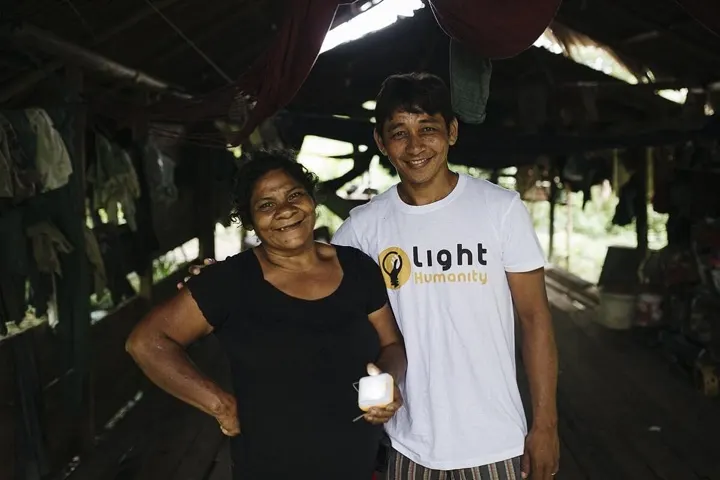 “Light humanity”, the Spanish initiative to provide lamps and a solar boat to Latin America, Africa and the Philippines — EFEverde (Agencia EFE) · 11/06/2020
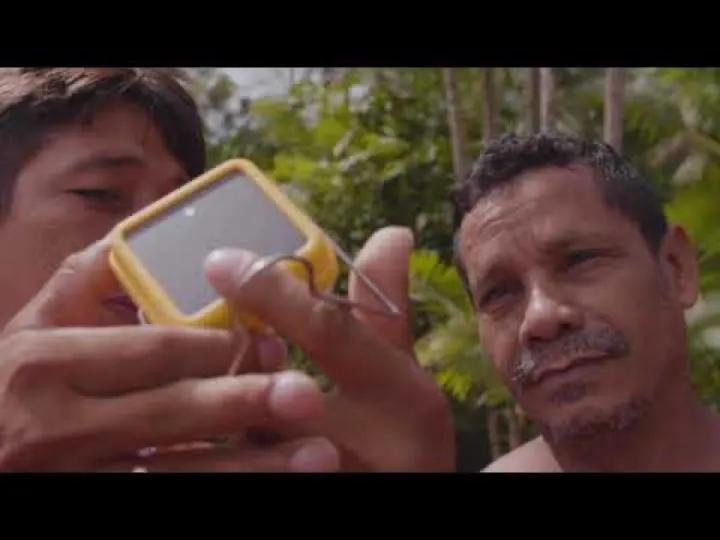 Spanish project funds solar lamps and a solar boat in Latin America, Africa and the Philippines — YouTube · EFEverde (Agencia EFE) · 11/06/2020
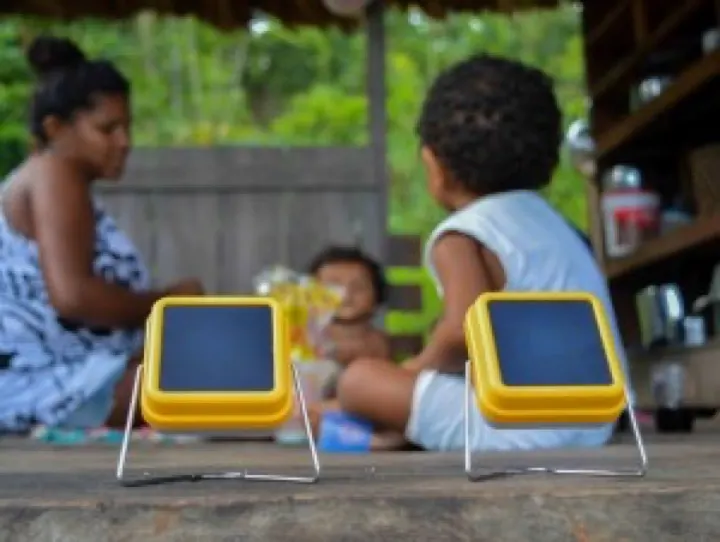 “Light humanity”, the Spanish initiative to provide lamps and a solar boat to Latin America, Africa and the Philippines — Ambiente Soluciones (reproduces the EFE interview)
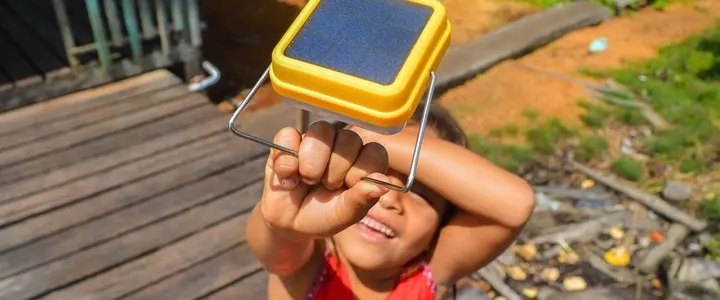 Eugenio García-Calderón, Light for humanity: “We have a responsibility to help other economies complete their energy transition” — Lenovo Spain Blog · 28/01/2021
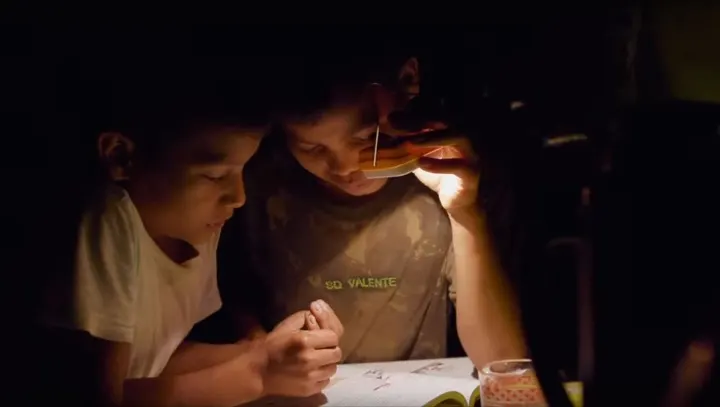 Solar energy thumbs its nose at kerosene in the Amazon — Yorokobu · 25/05/2021
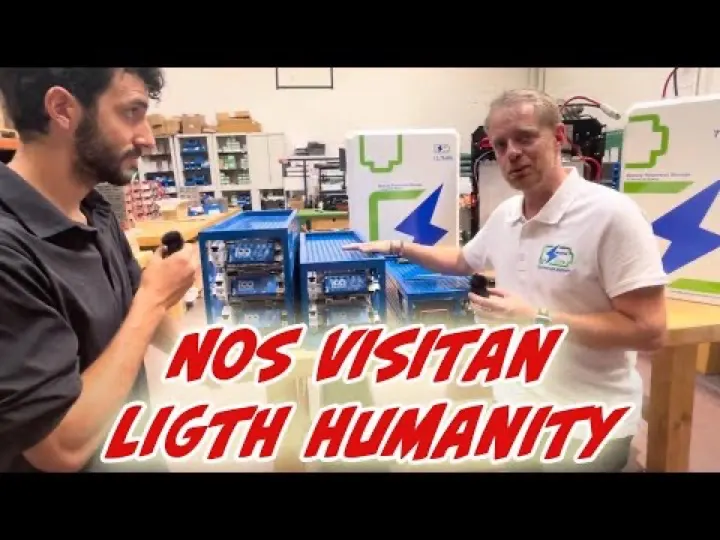 Batteries for solar electric vehicles! ⚡ Light Humanity & Second Life Battery. — YouTube · Light Humanity · 14/06/2024