Minimum Viable Homes
Minimal, efficient, ecological homes
The NGO Light Humanity is developing minimal homes that are self-sufficient, efficient and ecological
Minimum Viable Homes is the project of Light Humanity's Ecosocial Innovation Lab to make a minimal home efficient, ecological and self-sufficient all at once. It has been led since 2025 by the organisation's founder, Eugenio García-Calderón Huerta.
- What it is: a project to develop minimal, efficient, ecological homes.
- The goal: for those homes to be self-sufficient.
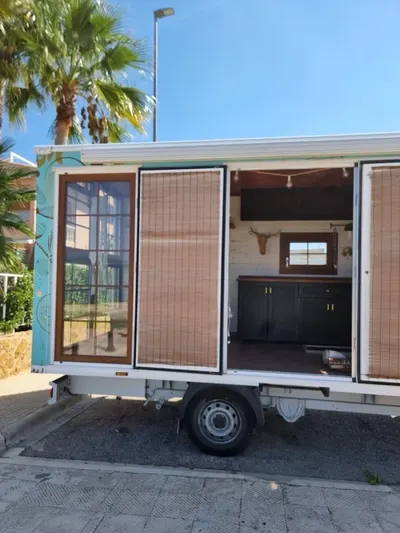
- The project's image: the cover shows a small living unit mounted on a trailer, thrown wide open.
- Where it stands: in development; no dimensions, materials or costs have been published yet.
- Where it fits: in the lab's Housing area, alongside Organic Urban Design, the Ecological Homes Factory and three communities.
The minimal dwelling, a concept architects were already debating in 1929
The project's name draws on a term with a history in modern architecture: the minimal dwelling.
- 1928, La Sarraz (Switzerland): a group of 28 European architects, including Le Corbusier and the Spaniards Fernando García Mercadal and Juan de Zavala, founds the International Congress of Modern Architecture (CIAM).
- 1929, Frankfurt am Main: the second CIAM focused on the minimal dwelling, the “Existenzminimum”, and on Ernst May's housing work.
Ecological homes, communities and minimal housing: Light Humanity's Housing area
Minimum Viable Homes shares its area with five other lab projects. It also has the idea of self-sufficiency in common with Organic Urban Design.
From community design to ecological homes
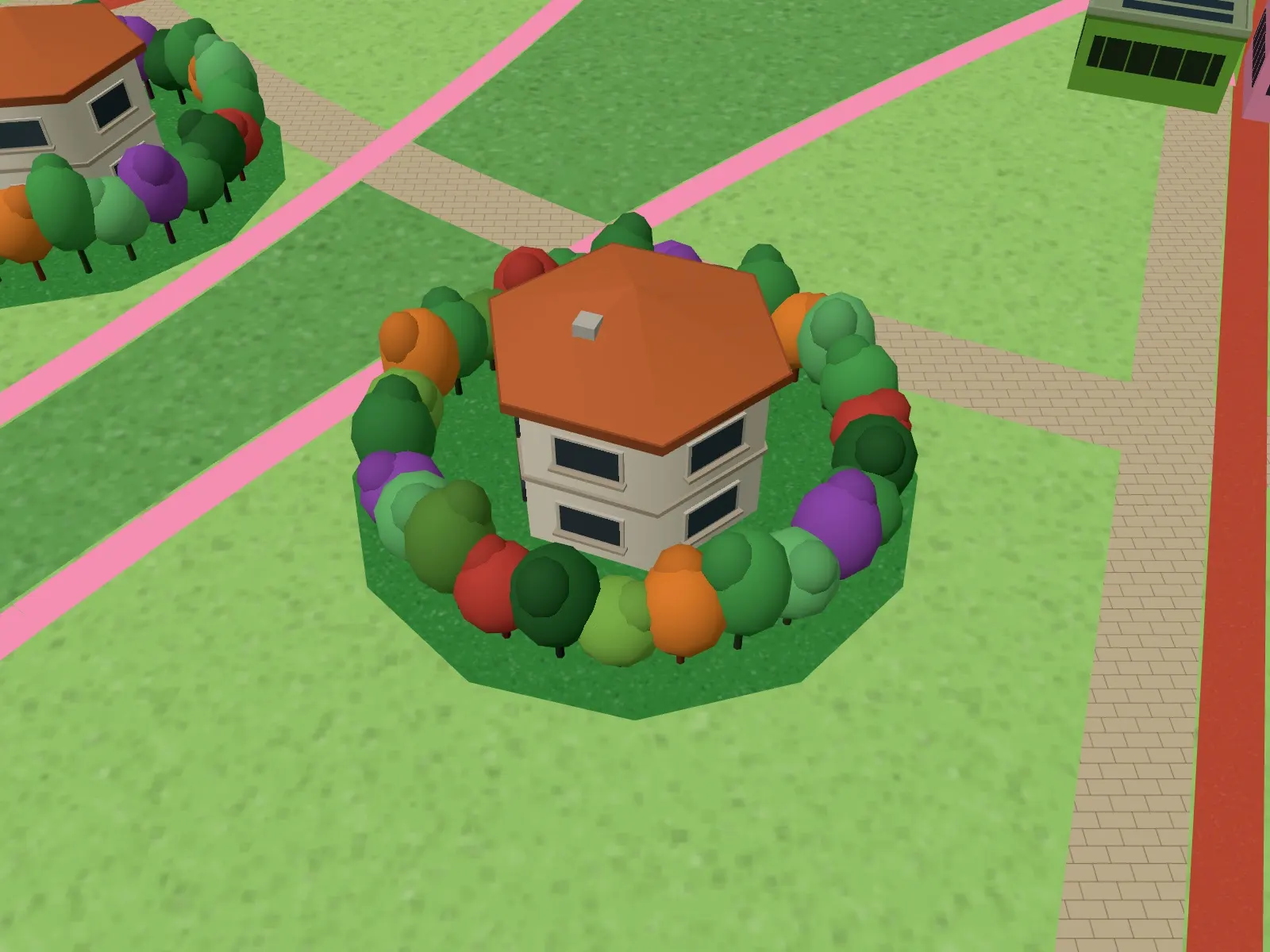
- Organic Urban Design: designs family communities, neighbourhood communities, villages and cities that are interconnected and self-sufficient. Its Human Circular Community can be explored in 3D on Humanity.wiki.
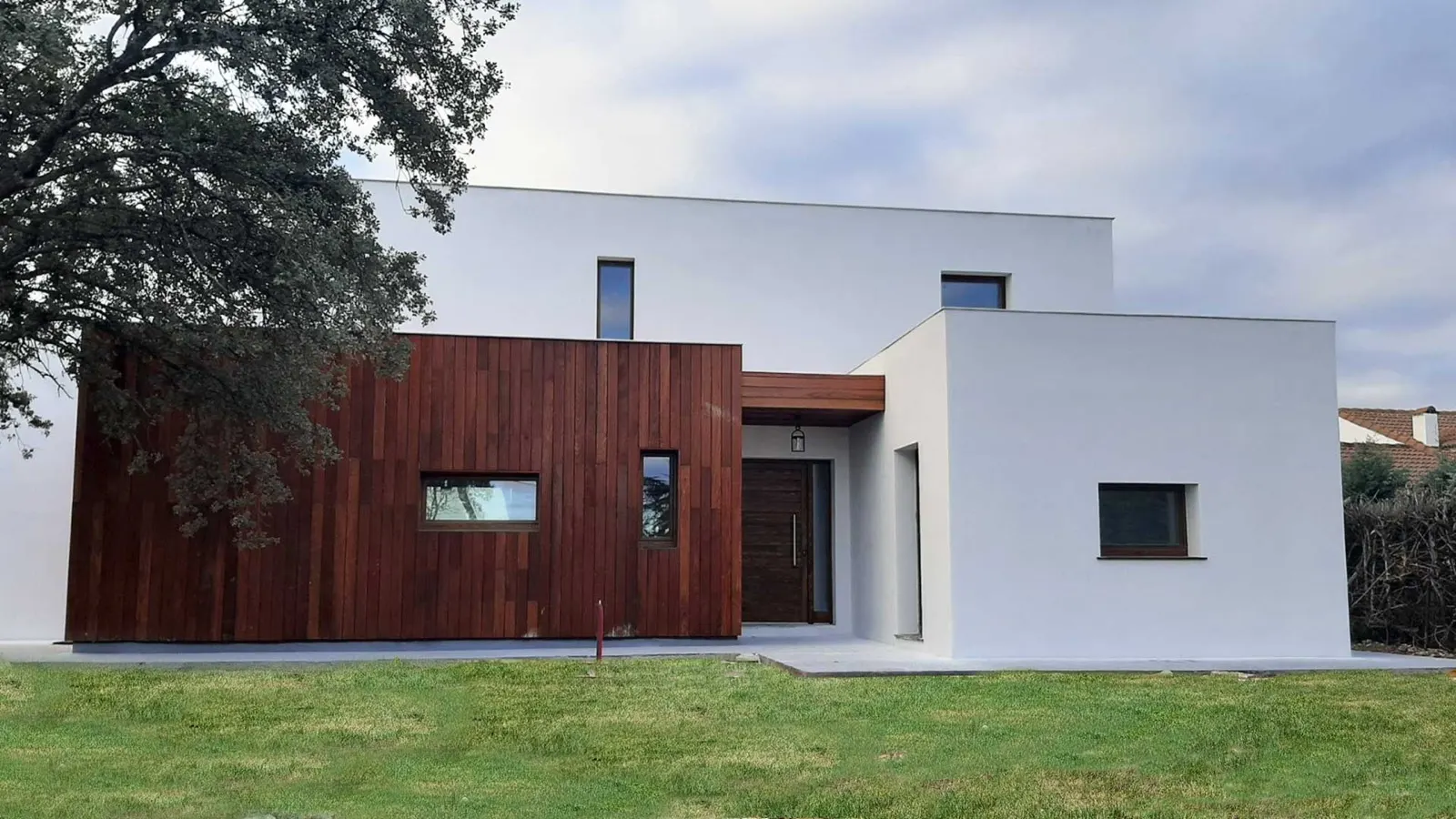
- Ecological Homes Factory: the lab supports the ecological homes venture Econ House.
Three communities: Oasis del Jarama, Villabosque and Ikigaia
- Oasis del Jarama Community: a natural living community on the banks of the River Jarama, in Madrid.
- Villabosque Community and Ecovillage: an estate and meeting place in Villaviciosa de Odón (Madrid).
- Ikigaia Community: a project combining a community, a school, an entrepreneurship space and an ecovillage in Málaga.