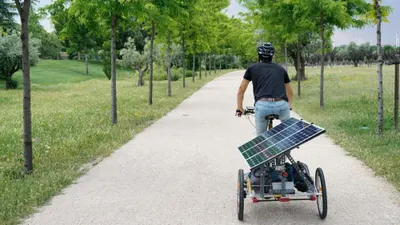
Solar Pedalling
Tour of Spain by solar bicycle against the sun tax
Solar Pedalling: 3,890 km around Spain by solar bicycle against the sun tax
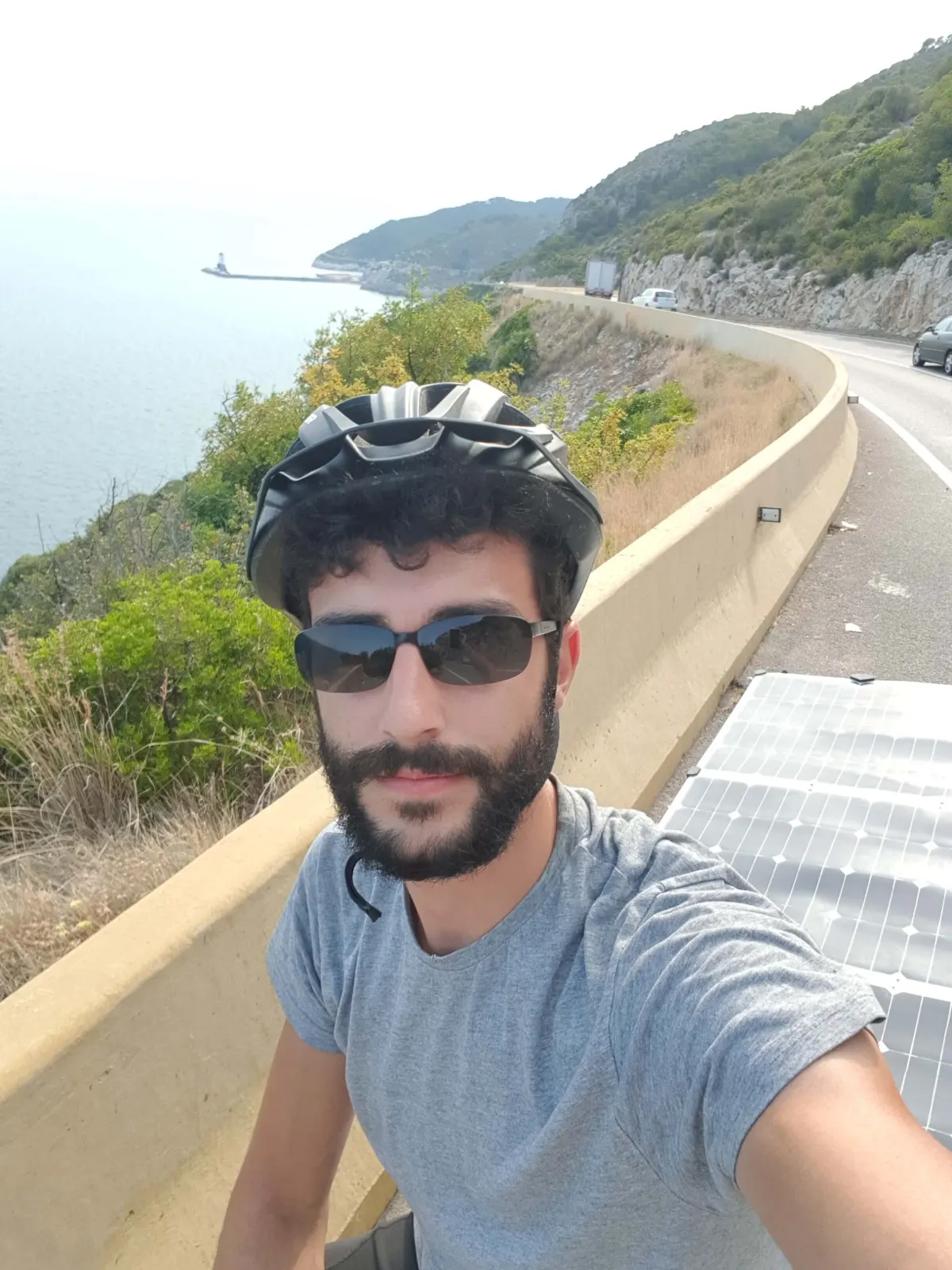
Between June and September 2018, the engineer Eugenio García-Calderón rode around Spain on a bamboo electric bicycle towing a trailer of solar panels. The tour was organised by Zima Project, the forerunner of Light Humanity, to call for an end to the sun tax, which the Government repealed less than a month after the closing cycling protest.
- What it was: a tour of Spain by solar bicycle, billed as the first of its kind, against the sun tax.
- When: from the departure from Madrid on 3 June 2018 to the cycling protest on 9 September.
- Who rode: Eugenio García-Calderón Huerta, now the founder of Light Humanity.
- Who organised it: Zima Project, with the support of ecooo and the cooperative Som Energia.
- Where: from Madrid to the south (Toledo, Granada, Almería), along the Mediterranean (Valencia, Castellón, Barcelona) and across the north to Castro Urdiales, before returning to Madrid.
- What happened next: less than a month later, Royal Decree-Law 15/2018 freed self-consumed solar energy from charges.
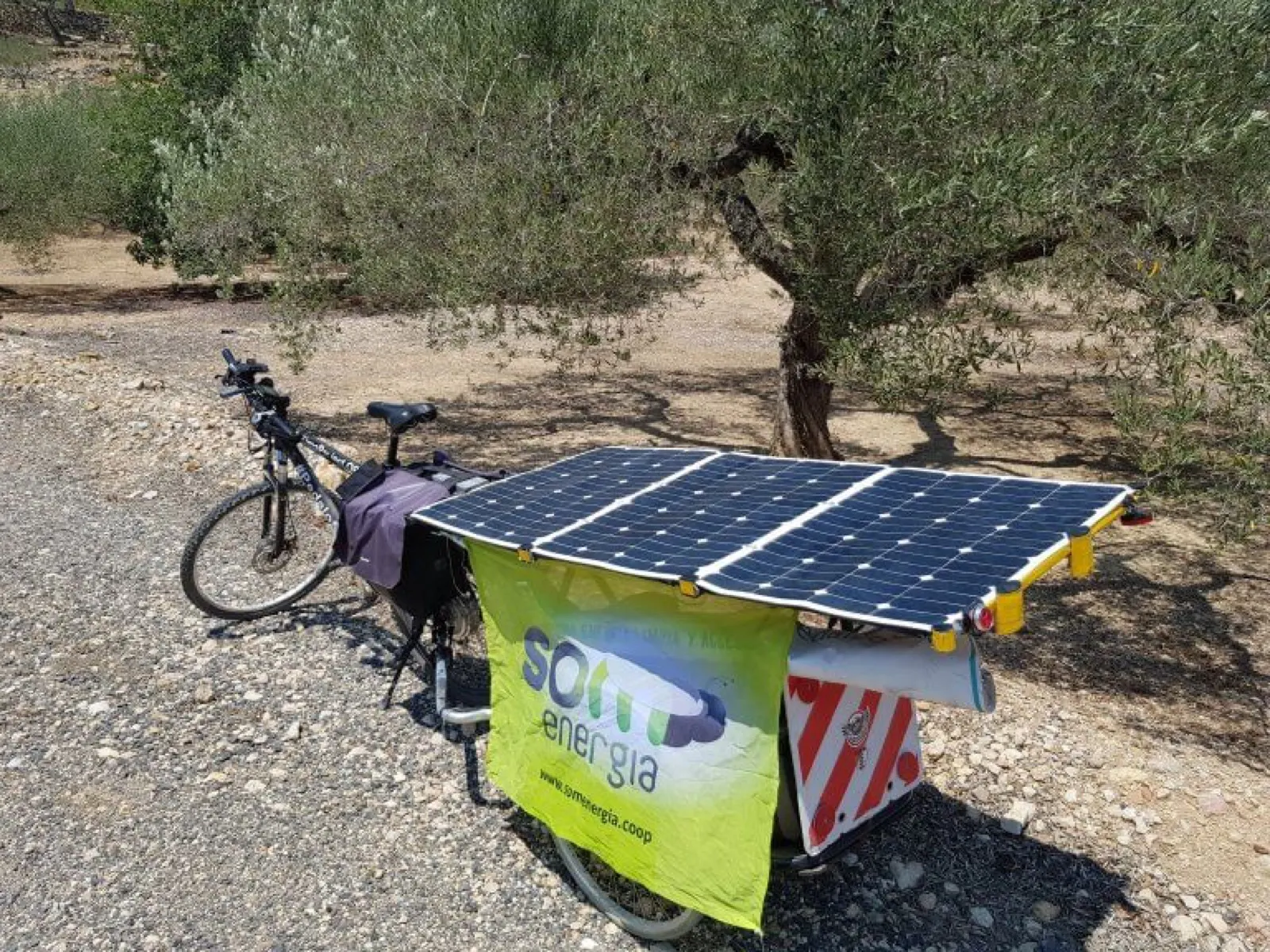

In 2018, the “sun tax” was holding back solar self-consumption in Spain
When Eugenio García-Calderón finished his degree, Spain had the so-called sun tax, and he went to work in wind power “because solar energy was at a standstill”, as he told Energías Renovables in 2024.
- What the sun tax was: the popular name for the charges that Royal Decree 900/2015 applied to self-consumed energy, the energy people produce and use themselves.
- Zima Project's diagnosis: the sun tax “has achieved its aim: to discourage the generation of solar energy” (Energías Renovables).
- One of the harshest rules: “one of the most restrictive in Europe and the world”, according to Zima, which pointed to the example of Germany: with half the solar resource, it had “ten times more” photovoltaic installations than Spain (Ecoticias).
“We were left feeling it wasn't enough whenever there was a demonstration, so we decided to turn the cause into an adventure” — María, of the Zima Project team (elDiario.es)
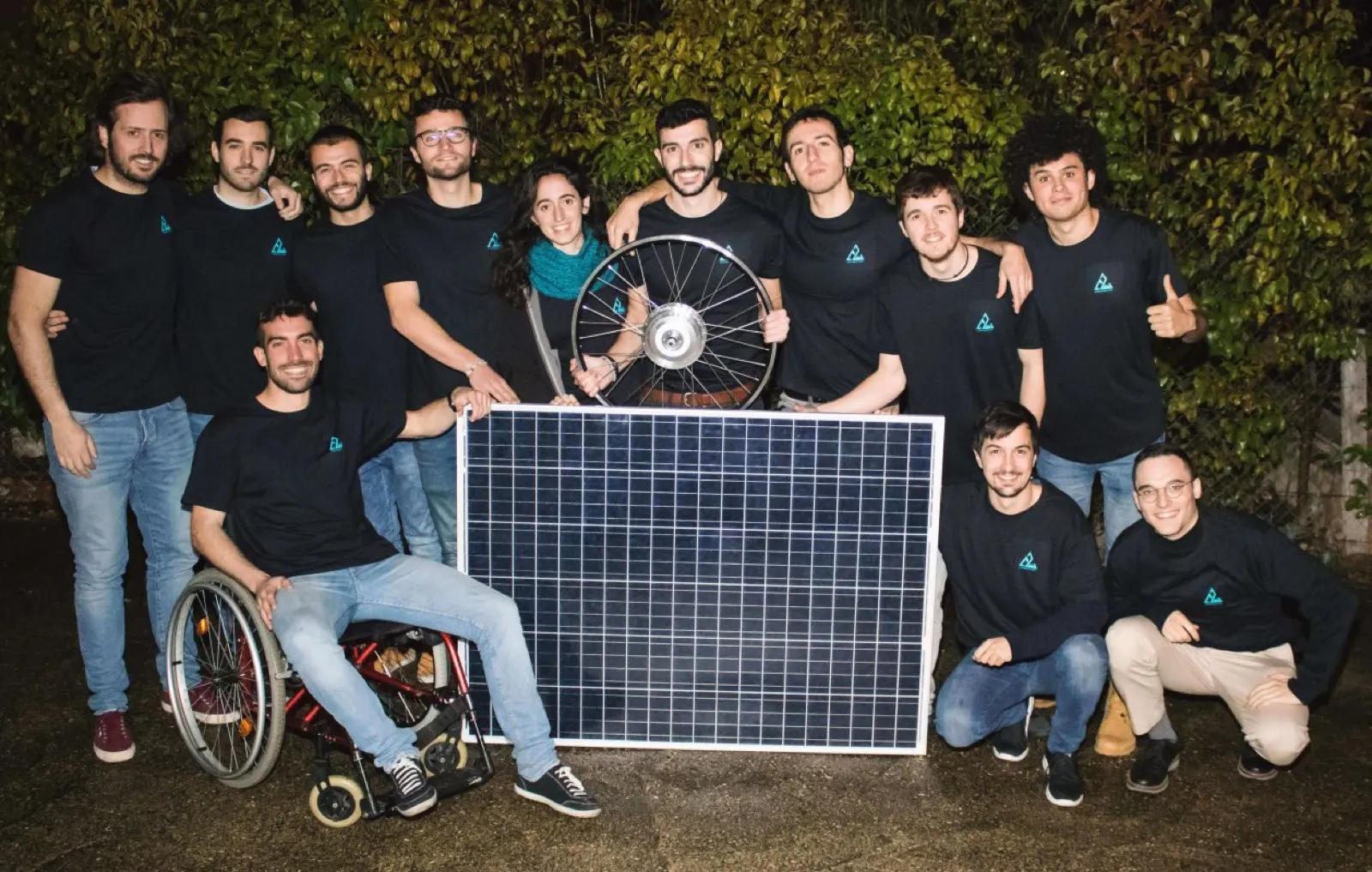
Zima Project, the “One cause, one adventure” NGO that preceded Light Humanity
Zima Project described itself as a young non-profit NGO whose purpose was “One cause, one adventure”: challenges to draw attention to social causes, above all climate change and inequality (Energías Renovables).
- Its first project: Solar Pedalling, presented in February 2018 in a video with a cause, “putting an end to the Sun Tax”, and a challenge: a tour of Spain by solar bicycle.
- The team: Eugenio, an engineer specialising in renewables; María, a translator and gender expert; and Nasib, a telecommunications engineer (elDiario.es).
- Funding: Zima Project said it was 100% funded by donations and sought support for the tour with the slogan “€1 = 1 km” (Zima Project website, archived).
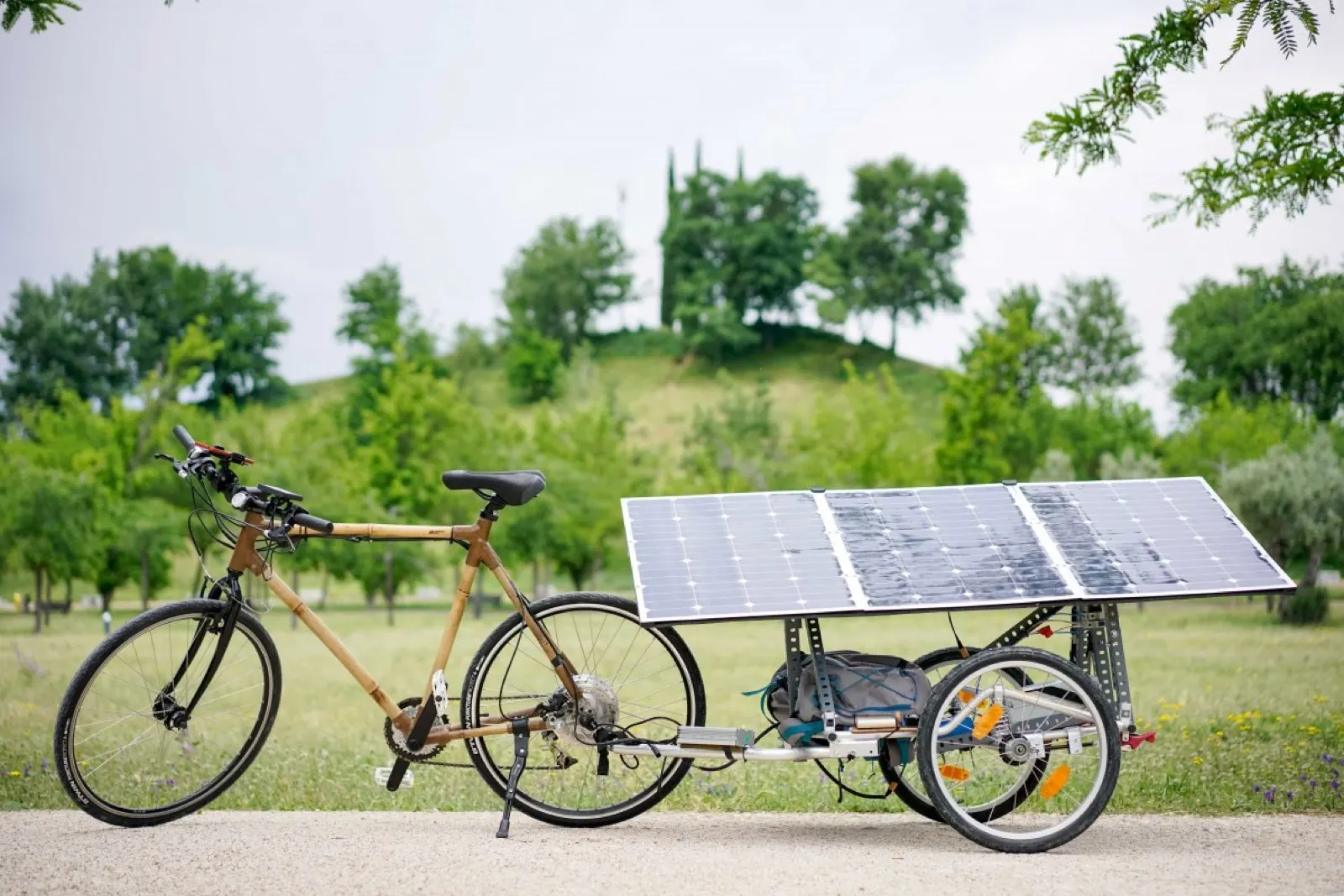
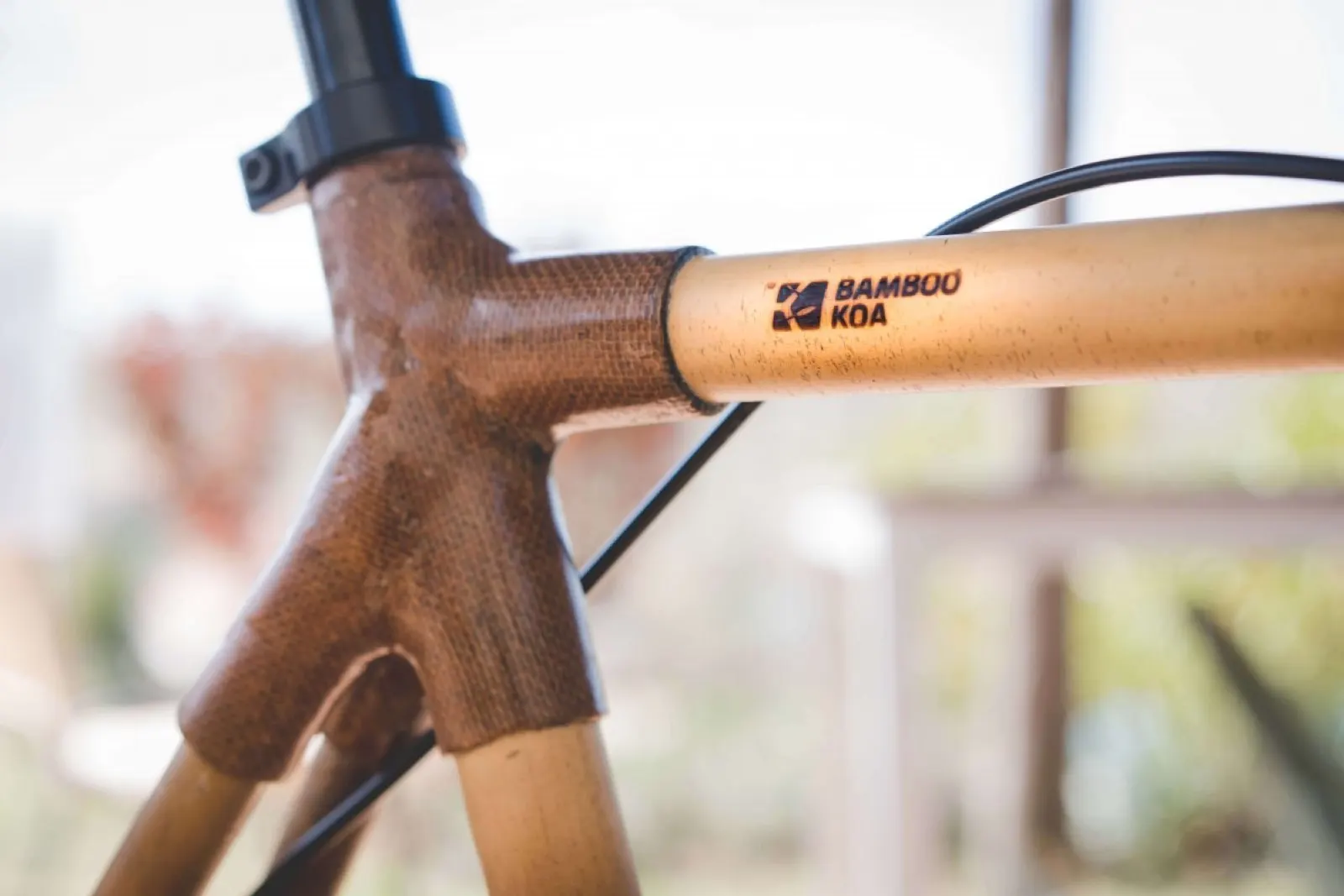
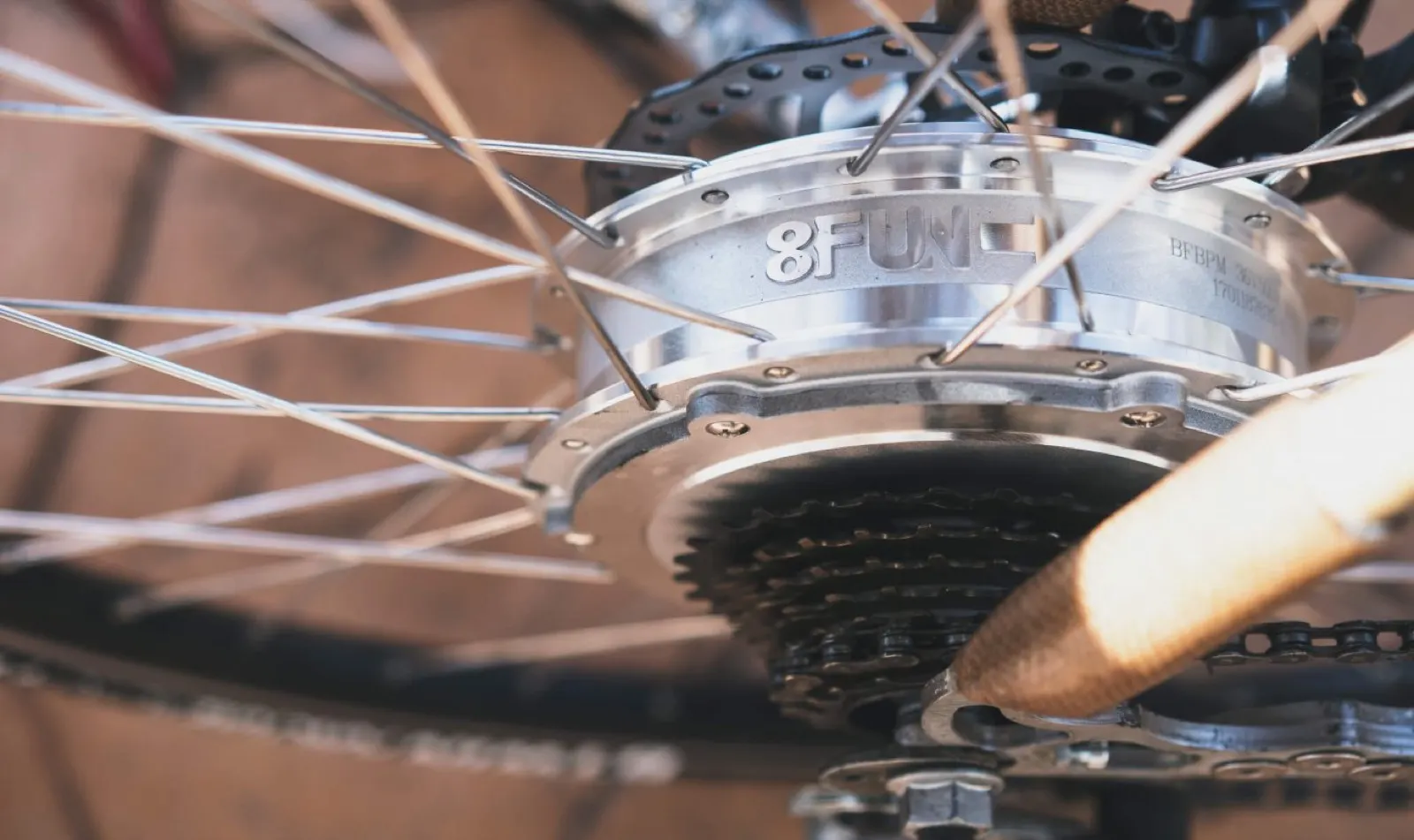
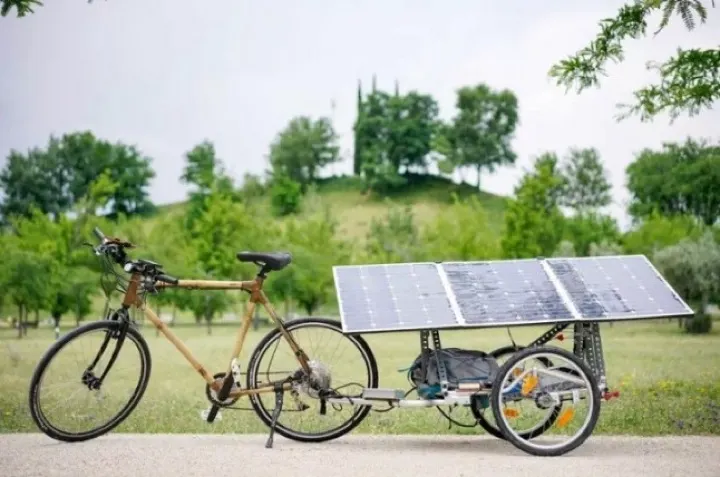
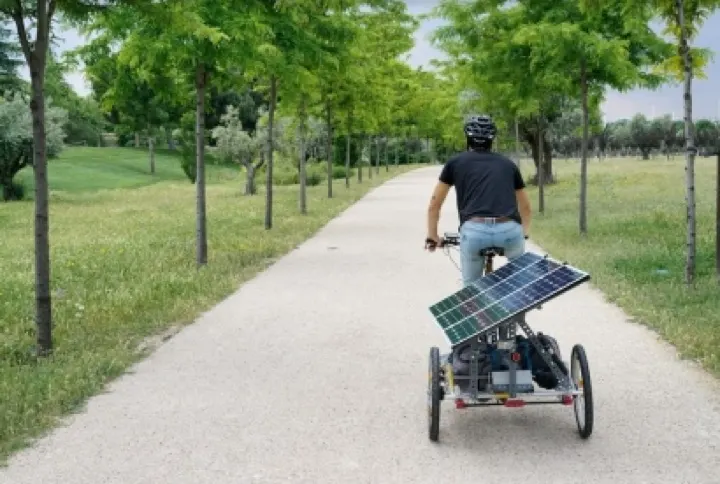
Bamboo solar bicycle with an electric motor and three 180-watt panels
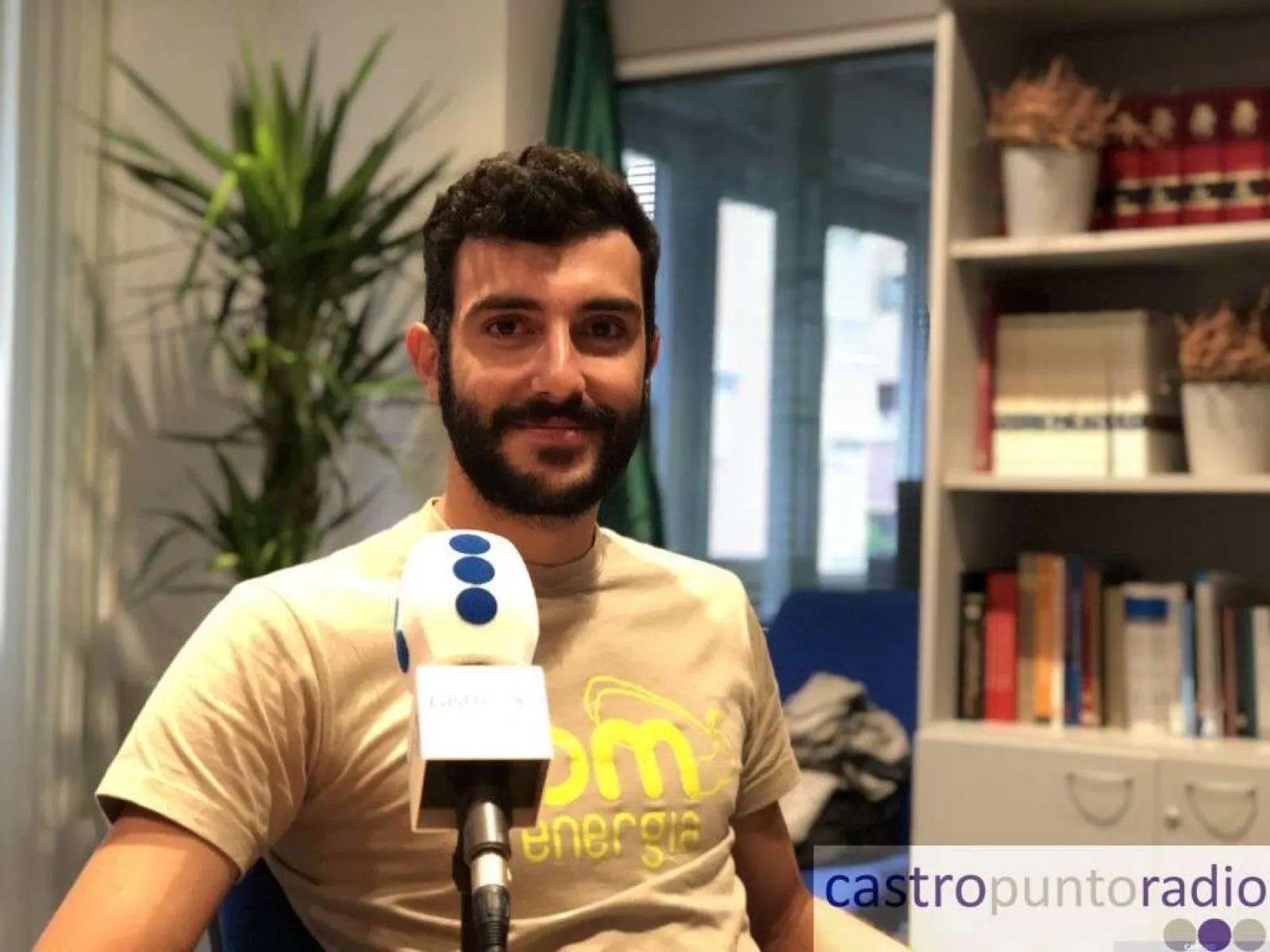
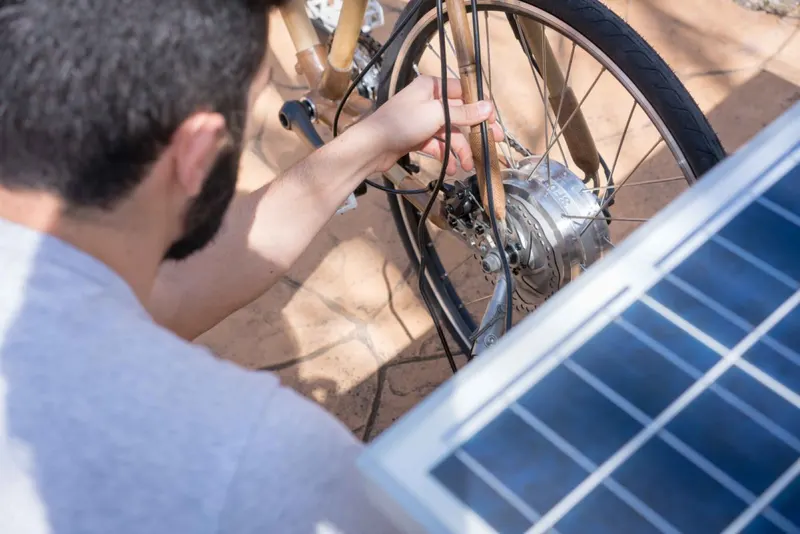
The team built the bike with help from its collaborators. “It's a conventional bicycle on which we've changed the rear wheel to make it electric,” Eugenio told Castro Punto Radio.
- Frame: made of bamboo (Diario Jaén), by the brand Bamboo Koa. The bike has its own entry in the lab: Solar Bicycle.
- Motor: in the rear wheel. “It's not like a motorbike, it just makes things a little easier,” María explained (Toledo Diario).
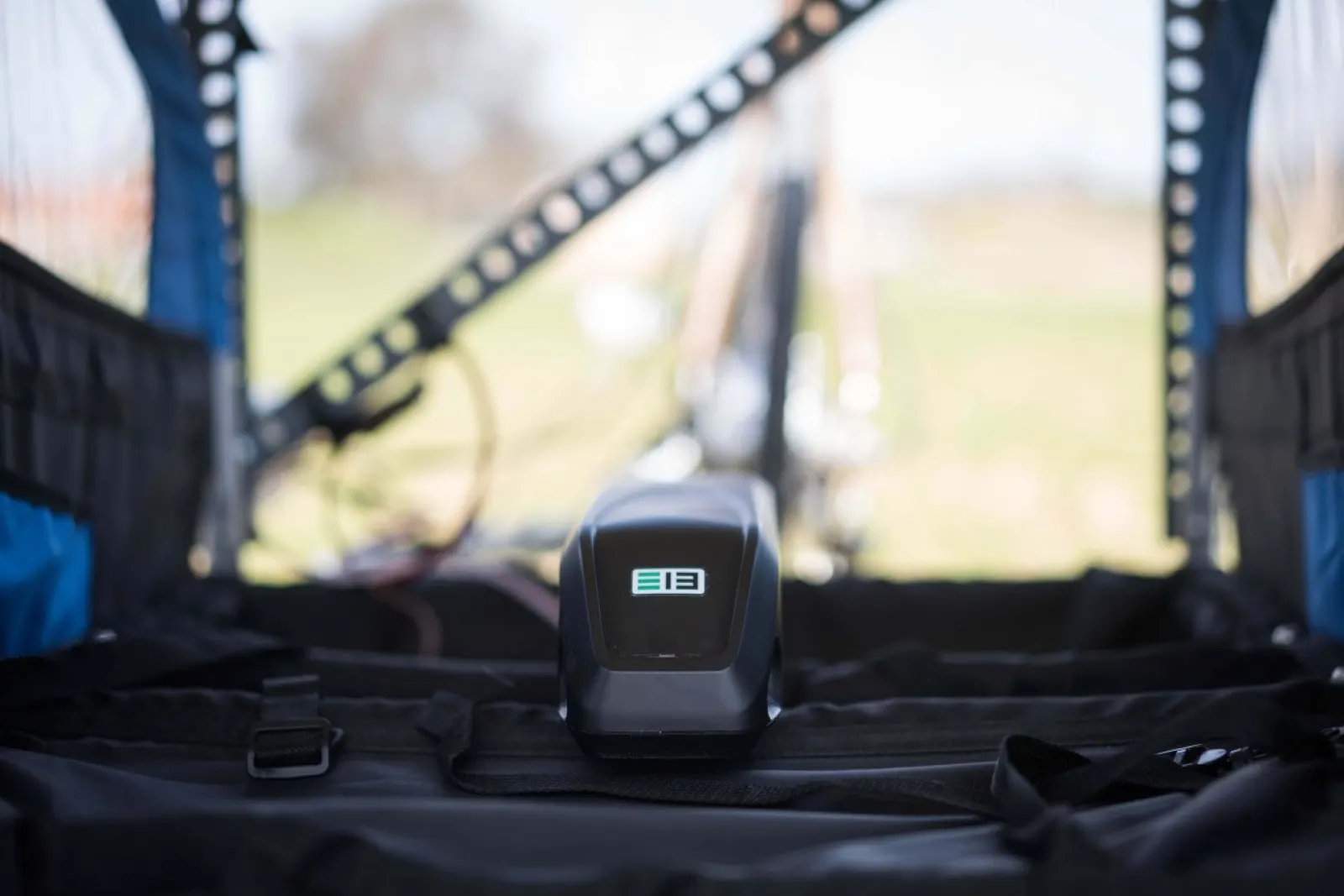
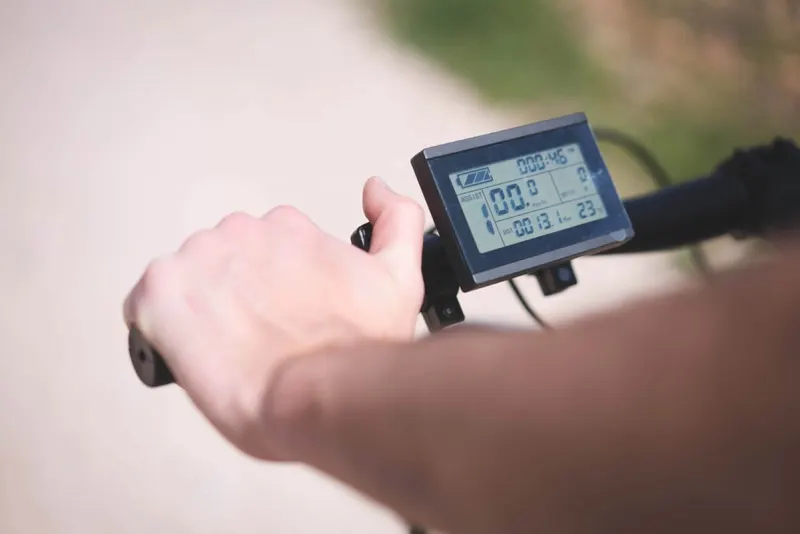
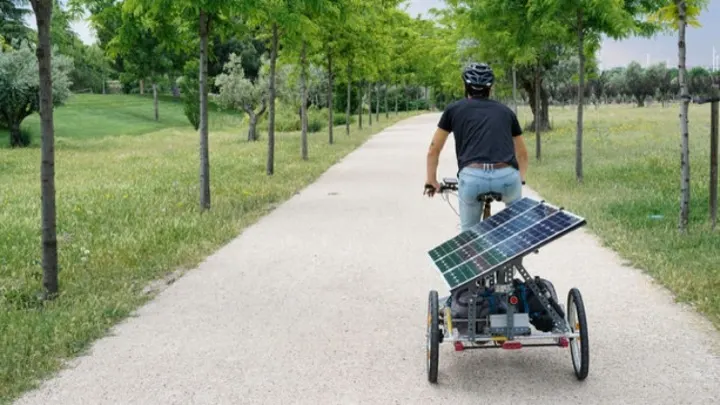
- Energy: three 180-watt panels (Energías Renovables), on a trailer, charged custom-made batteries, with a controller as the “brain of the whole circuit” (elDiario.es).
- Collaborators: the Zima Project website displayed the logos of Som Energia, Monsolar, Bambookoa, Bikelec, E13 Batteries, Remolques de Bici y Ocio and EXUS Partners.
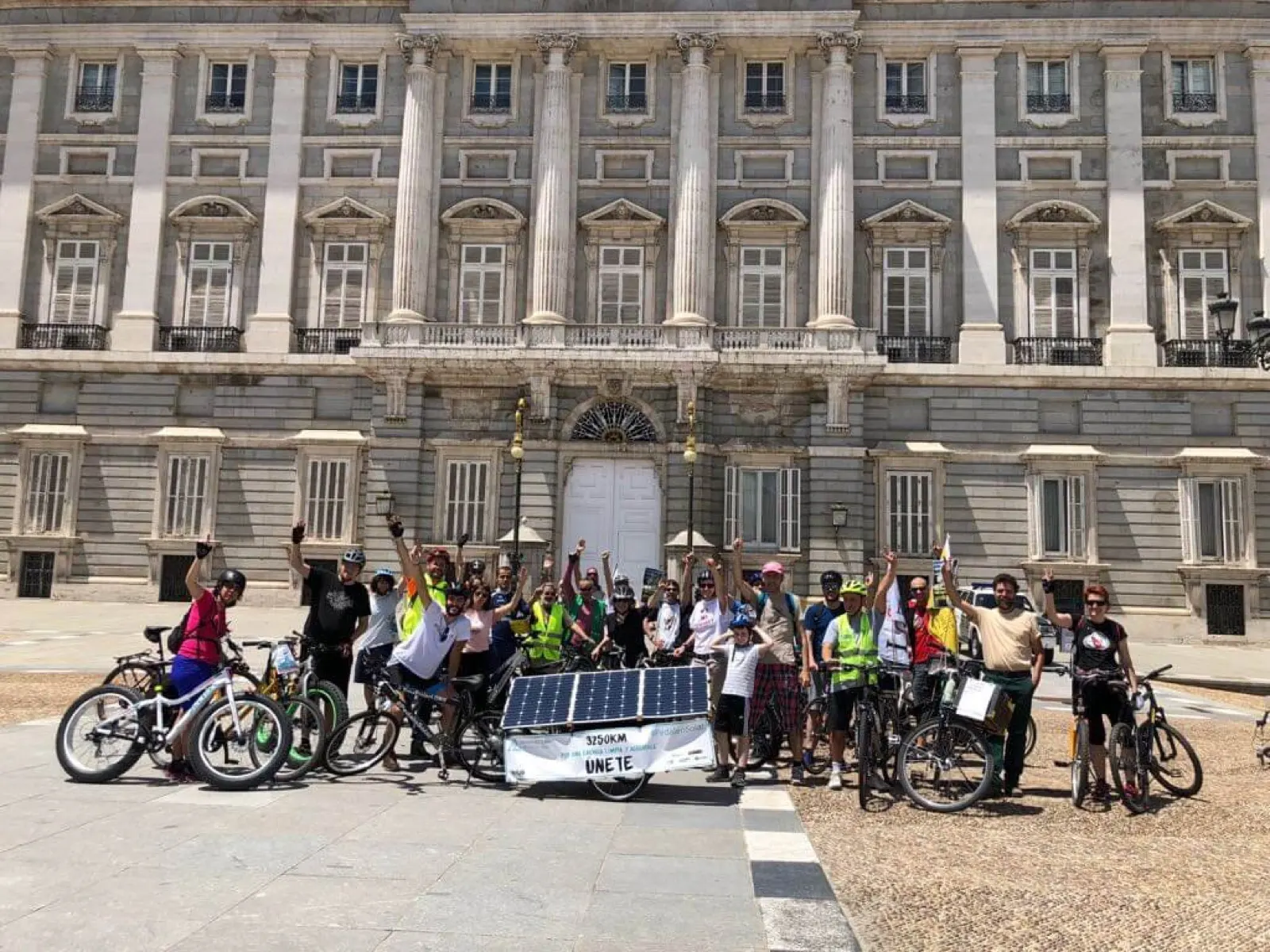
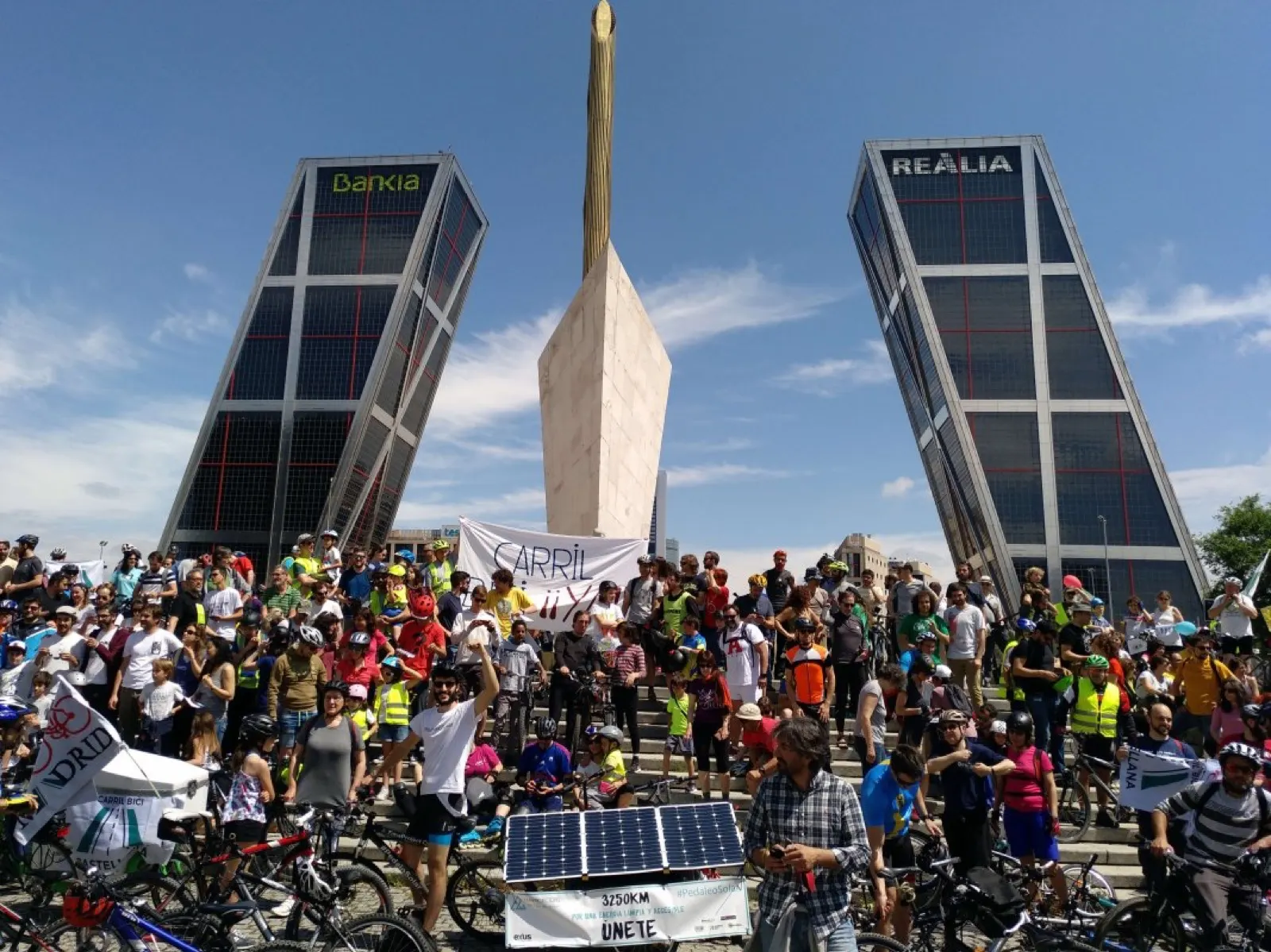
The departure: Madrid, 3 June 2018, escorted by more than a hundred cyclists
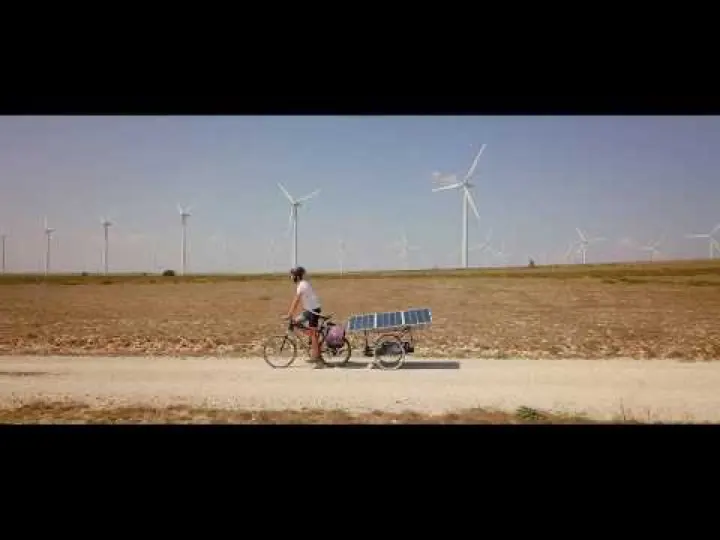
On Sunday 3 June 2018, the solar bicycle left Madrid escorted by more than 100 cyclists (Greenpeace). The plan: 3,250 km and 25 cities in five stages, averaging 140 km every two days (Informativos Telecinco).
- At every stop: an event to show the bike and explain how to take part in the energy transition (Energías Renovables).
- The signatures: collected to ask the Ministry for regulation that would encourage self-consumption (Diario Jaén).
- The alternatives: group purchases such as ecooo's “solar waves” (elDiario.es) and community-owned solar plants (Energías Renovables).
The Solar Pedalling route: 25 cities on a full circuit of Spain
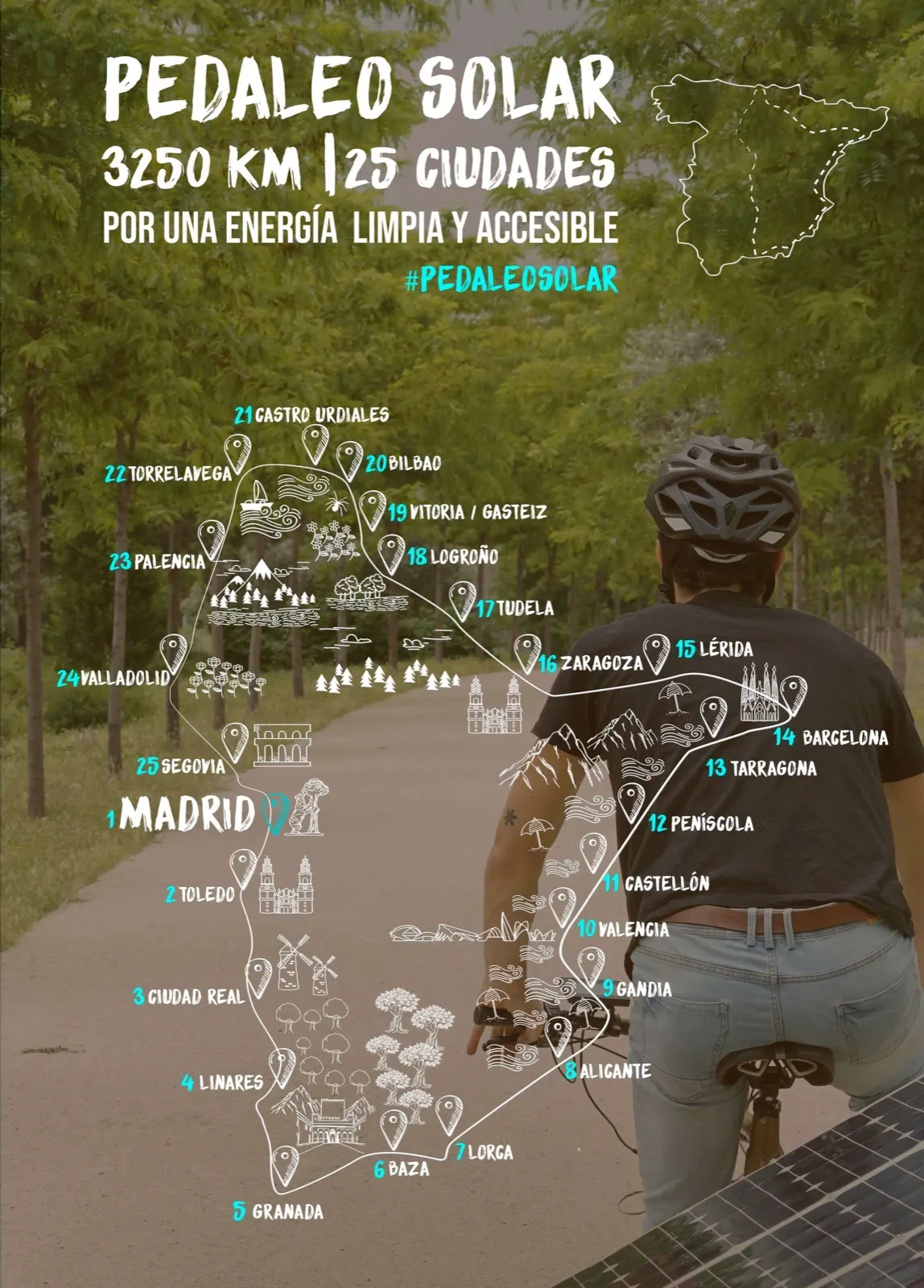
The poster traced a great circle: the south, the Mediterranean, the north and Castile. On the road, the route changed with the weather and the unexpected, as the Zima Project website warned.
From the south to the Mediterranean: Toledo, Granada, Almería and Valencia
- Toledo: the first stop, on 4 June; the next day, a gathering in Plaza de Zocodover to explain self-consumption (elDiario.es).
- Granada: it was due to arrive on 13 June from Martos and leave on the 15th for Motril (Granada Digital).
- Almería: by around 18 June, the bike had already covered 1,000 km (Telemadrid).
- Valencia, halfway there: Greenpeace announced its arrival on 29 June, with 1,600 km covered, and its presentation the following day on Malvarrosa beach, with ecooo and Som Energia (Greenpeace).
From the Mediterranean to the Cantabrian coast: Castellón, Catalonia and Castro Urdiales
- Castellón: on 7 July, a welcome from the group Castelló en Bici and an exhibition at the Planetari (Ciclosfera).
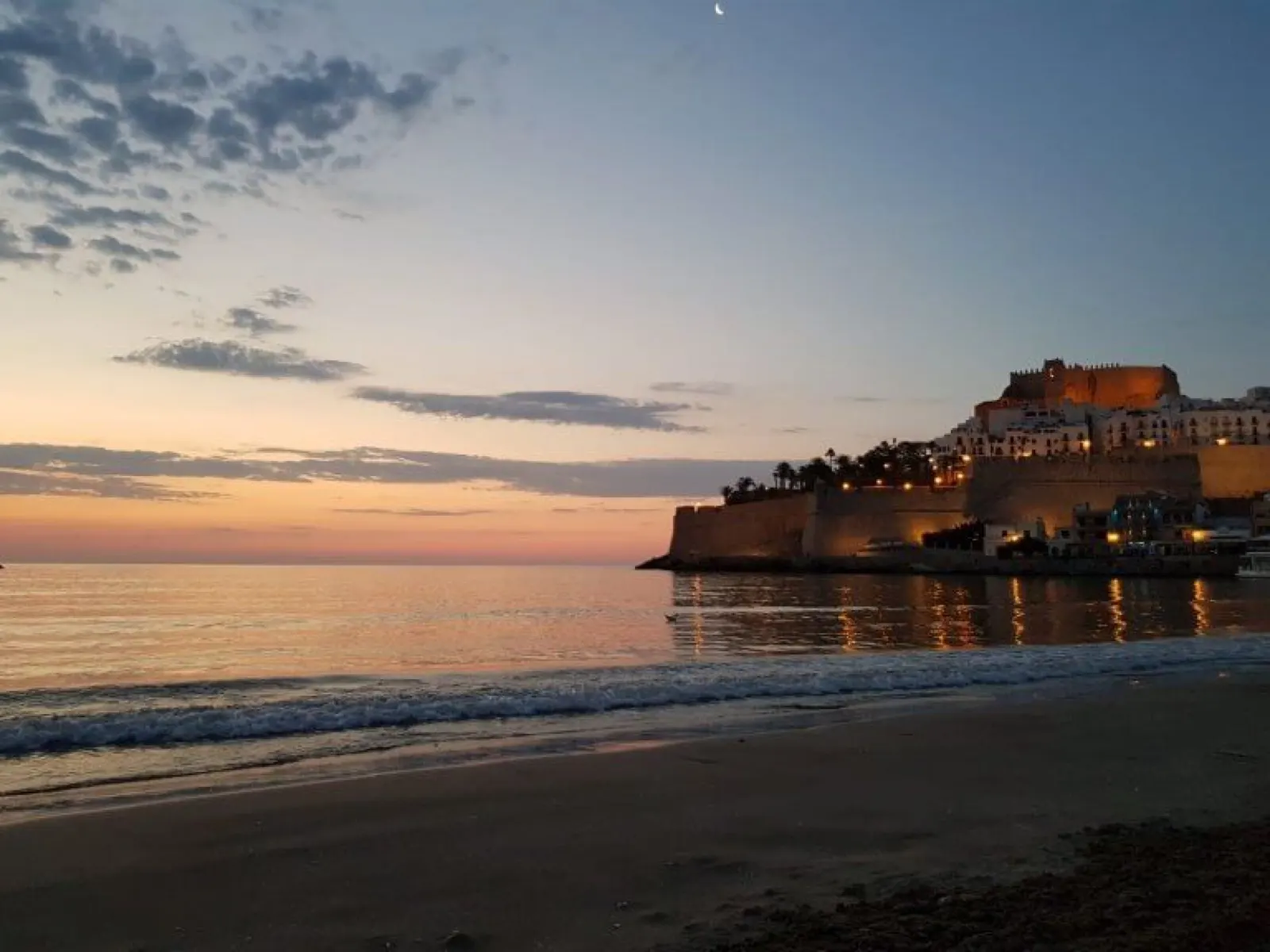
- Towards Catalonia: via Peñíscola and the Sierra de Irta to Tarragona, and from there to Barcelona and Lleida, according to its stage diary.
- Castro Urdiales: in August, after the Basque Country, he made his longest stop here, because he has family in the town; he had covered 3,100 km (Castro Punto Radio).
Arrival in Madrid after 3,890 km and a cycling protest for self-consumption
Eugenio returned to Madrid in early September, three months after setting off, with 3,890 km, 25 cities and dozens of local exhibitions behind him (Energías Renovables).
“I had complete faith in the solar panels on my trailer; they helped me get further on each stage” — Eugenio García-Calderón (Energías Renovables)
- 6 September: a presentation held at the ecooo space, with the bike on display and videos of the journey (CienciasAmbientales.com).
- 9 September: a cycling protest at 11:00 from Cibeles (Amadores de la Bici), called by Zima Project with Pedalibre, the Carril Bici Castellana campaign and ecooo (Energías Renovables).
- The manifesto: against the obstacles to self-consumption, it was due to be read outside the Ministry for the Ecological Transition (Energías Renovables).
- Puerta del Sol: the march ended here, and Eugenio recounted part of his journey (video of the cycling protest).
A month later, Royal Decree-Law 15/2018 put an end to the sun tax
On 5 October 2018, less than a month after the cycling protest, the Government approved Royal Decree-Law 15/2018. Its preamble admitted that self-consumption “has barely begun to be rolled out” in Spain because of regulatory barriers.
- No charges: the law recognised “the right to self-consume electricity free of charges” and came into force on 7 October.
- Eugenio's view: “at the end of 2018 the Sun tax was repealed, and early the following year legislation in favour of self-consumption began” (Energías Renovables).
From Solar Pedalling to Light Humanity: solar lamps, Comunidad Solar and more
For Eugenio, the bicycle was the beginning. “It was a struggle with myself to build that bicycle and start raising the funds to set up that project,” he told Yorokobu.
- Light Humanity: founded in December 2018, after Solar Pedalling, to “make solar energy generation accessible to all who need it” (MAPFRE, Energías Renovables).
- The solar lamps: the idea “came out of a first project, which was to travel around Spain on a solar bicycle” (Lenovo Blog); it gave rise to Light of the Amazon.
- Comunidad Solar: at the end of 2018, Eugenio co-founded Comunidad Solar, then a solar panel installer; Cañada Solar and the Comunidad Solar Energy Retailer followed (Energías Renovables).
- Back on the streets: in 2019, the solar speaker of The Green Voice accompanied the climate demonstrations.
- Deliveries: in Castro, Eugenio already saw his bike as useful for deliveries; in 2019 came the Solar Delivery Tricycles.
In the media
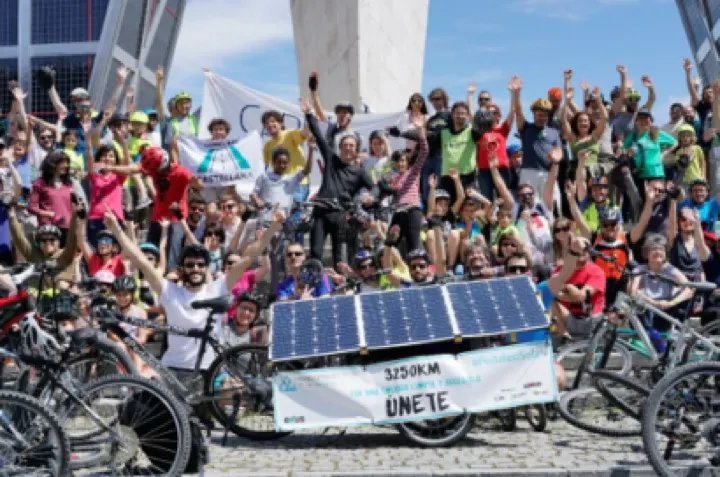 The Solar Pedalling challenge ends its adventure in Madrid this week — Energías Renovables · 04/09/2018
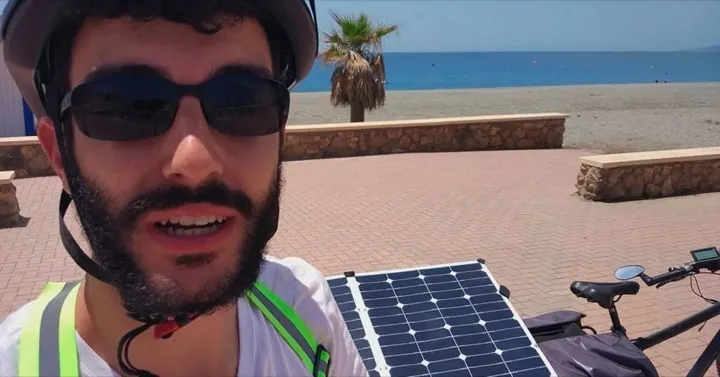 A tour of Spain on a solar bicycle to promote energy self-consumption — Telemadrid (Madrid Directo) · 18/06/2018
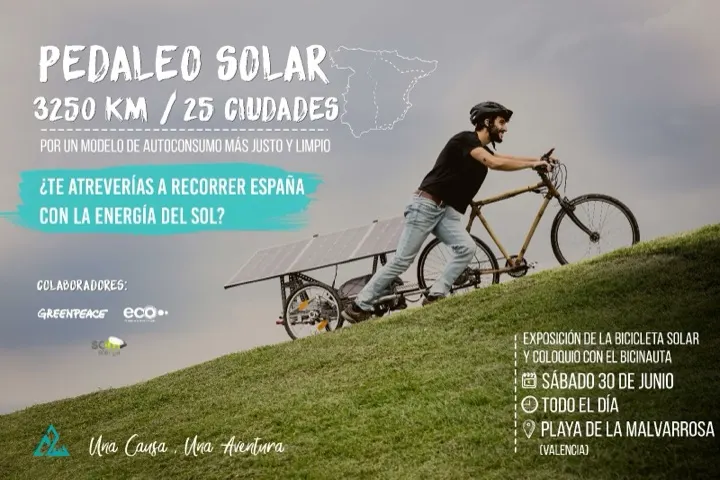 Bike gathering and presentation of the solar bicycle in Valencia — Greenpeace Spain · 29/06/2018
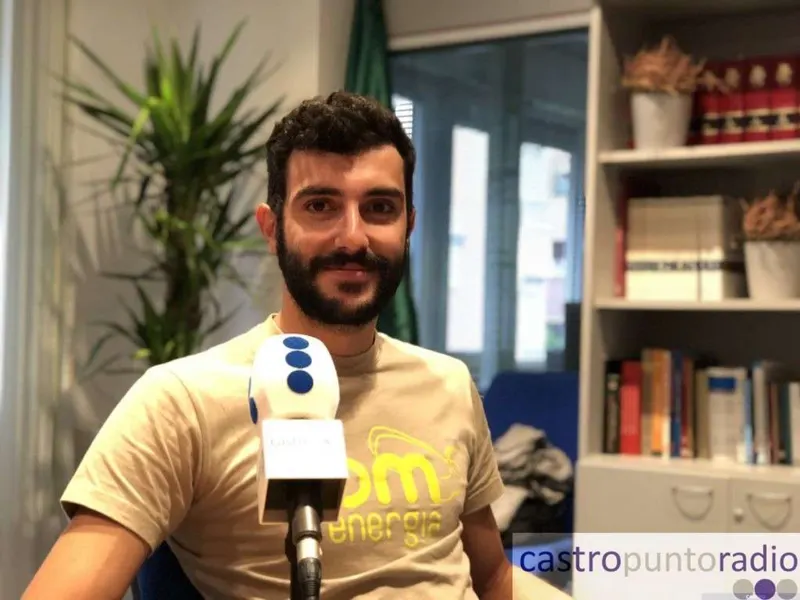 Engineer Eugenio García Calderón brings to Castro the solar bicycle on which he is touring Spain to champion renewable energy — Castro Punto Radio · 07/08/2018
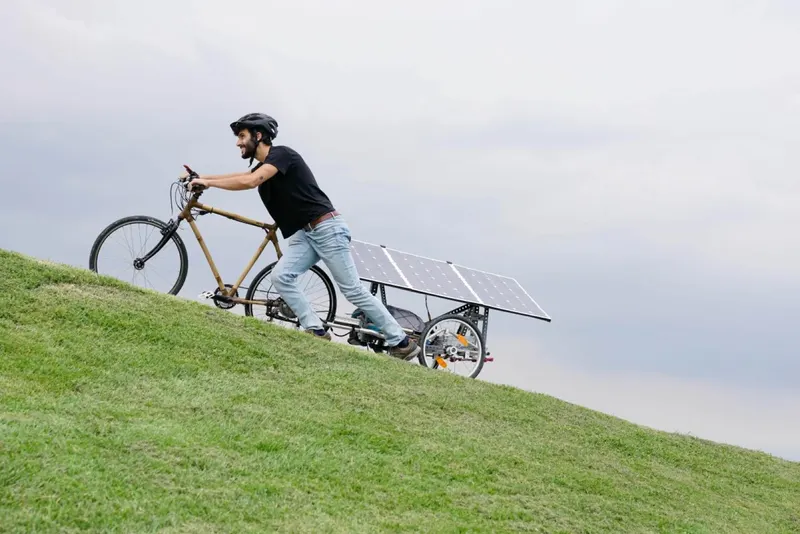 A solar bicycle tours Spain to promote the use of renewable energy — Informativos Telecinco · 03/06/2018
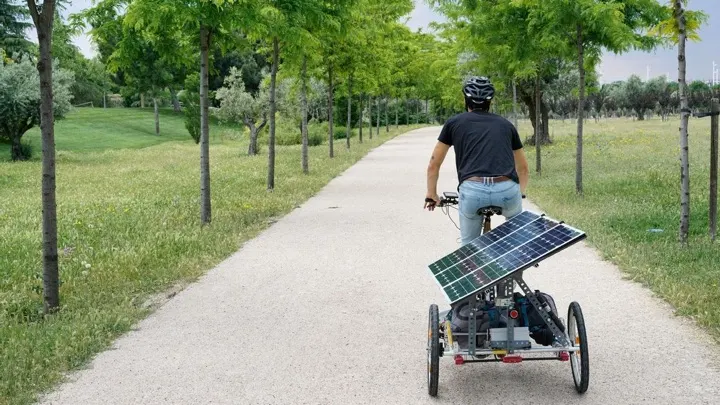 'Solar Pedalling', the adventure of raising awareness of energy self-consumption: “It's possible” — elDiario.es · 04/06/2018
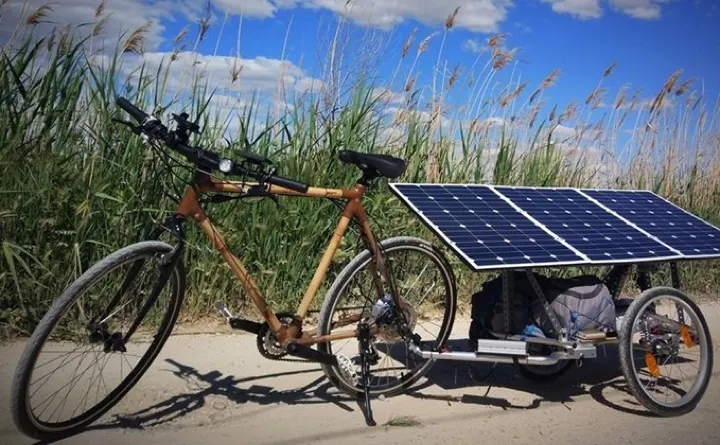 The first solar bike to tour Spain passes through Granada — Granada Digital · 12/06/2018
 A solar bicycle will tour Spain to raise awareness of the use of renewable energy — Ecoticias · 31/05/2018
 Tour of Spain on a Solar Bicycle. Solar Pedalling Project — YouTube · Eugenio García-Calderon · 08/09/2018
 Solar Pedalling, the tour of Spain that will put an end to the Sun Tax — YouTube · Zima Project · 27/02/2018
 “Solar pedalling” through 25 Spanish cities — Diario Jaén · 31/05/2018
 A solar bicycle will tour Spain to promote the use of renewable energy — Republica.com · 02/06/2018
 Self-consumption takes a tour of Spain — Energías Renovables · 04/06/2018
 'Solar Pedalling', the adventure of raising awareness of energy self-consumption: “It's possible” — Toledo Diario · 05/06/2018
 How to carry luggage on your bike, Solar Pedalling, Isra from Ciclismo Sin Prisa and the AMBE awards – Programme 91 — Rutas Pangea (radio and podcast) · 25/06/2018
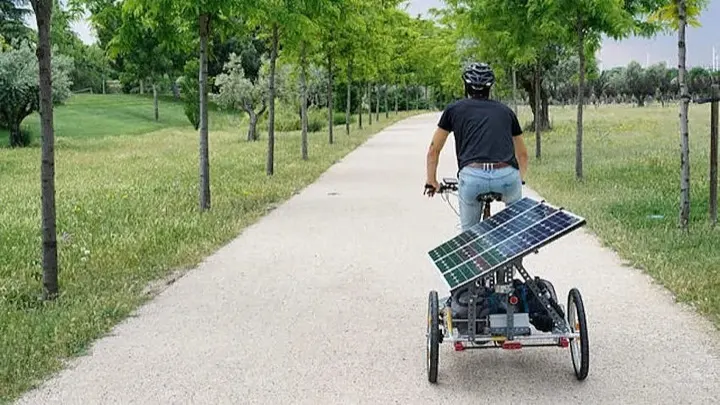 The solar bicycle touring Spain arrives in Castellón — Ciclosfera · 07/07/2018
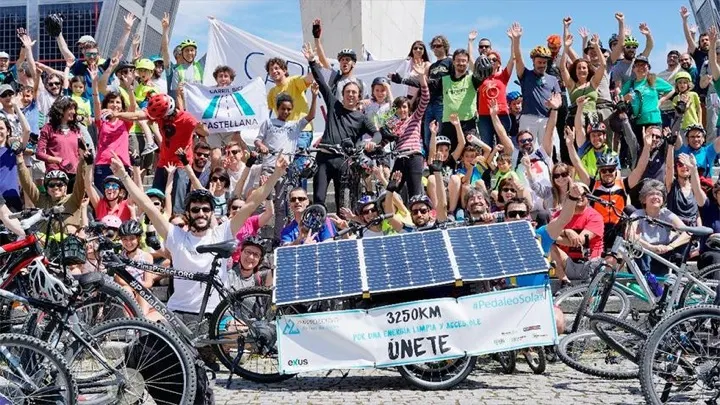 Tour of Spain by Solar Bicycle: for clean, accessible energy — CienciasAmbientales.com · 05/09/2018
 Solar Pedalling ends in Madrid, cycling protest included — Amadores de la Bici (blog) · 07/09/2018
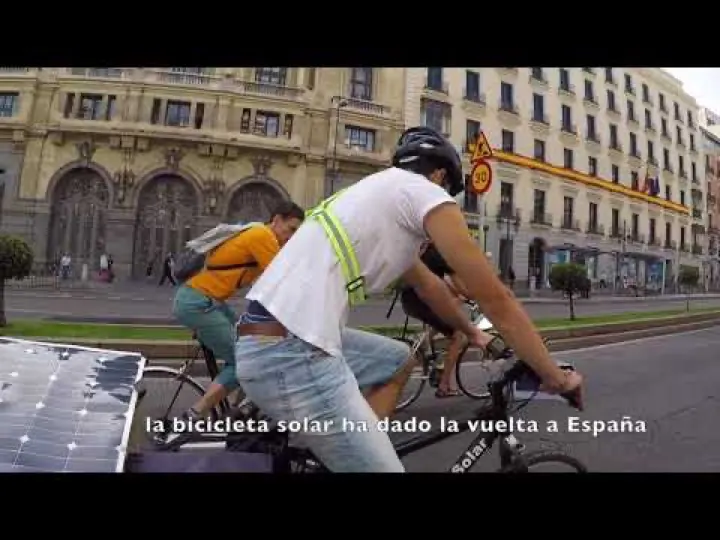 Solar Pedalling cycling protest in Madrid — YouTube · morenez · 09/09/2018
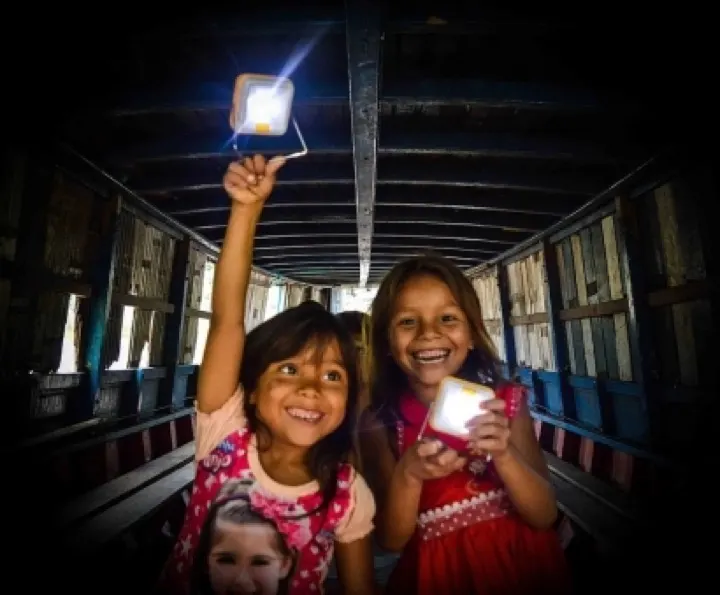 Solar lamps that replace kerosene ones — Energías Renovables · 13/05/2019
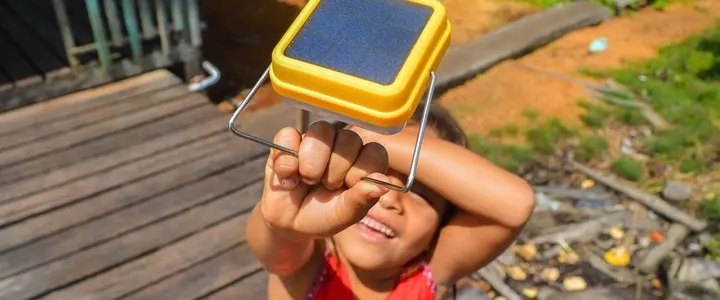 Eugenio García-Calderón, Light for humanity: “We have a responsibility to help other economies complete their energy transition” — Lenovo Spain Blog · 28/01/2021
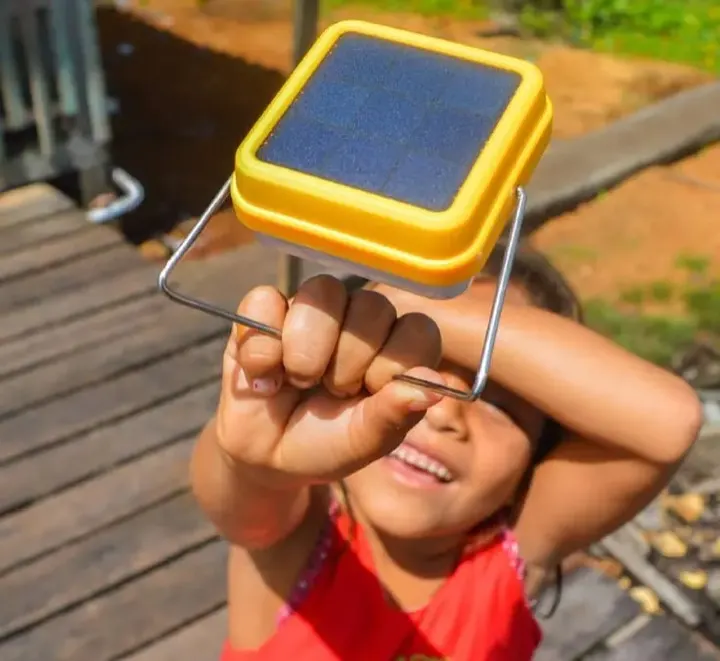 “Light Humanity”, a 100% social project whose mission is to enable universal access to solar energy — MAPFRE (Actualidad) · 08/04/2021
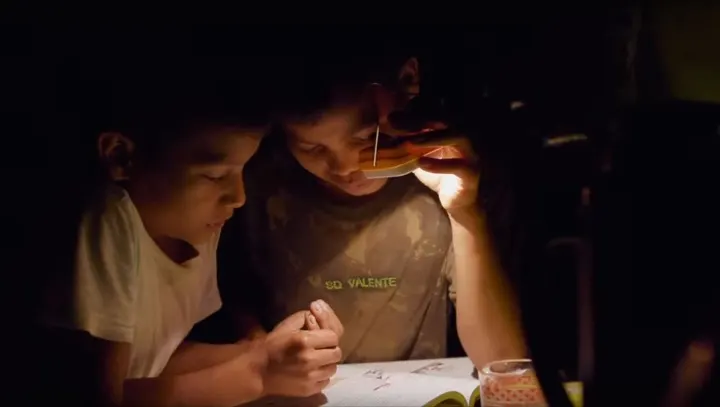 Solar energy thumbs its nose at kerosene in the Amazon — Yorokobu · 25/05/2021
 “When I discovered the potential of solar energy, I decided to become an energy activist” — Energías Renovables · 27/05/2024